Stiffness in the knees, back, or spine can make everyday activities feel challenging, especially as we get older. That constant discomfort might limit walks with loved ones or simple tasks around the home, leaving many searching for natural ways to feel more comfortable. But what if something as straightforward as using parts of a common fruit could offer some support? Keep reading to discover an interesting home approach that’s gaining attention—and the easy way to try it yourself.
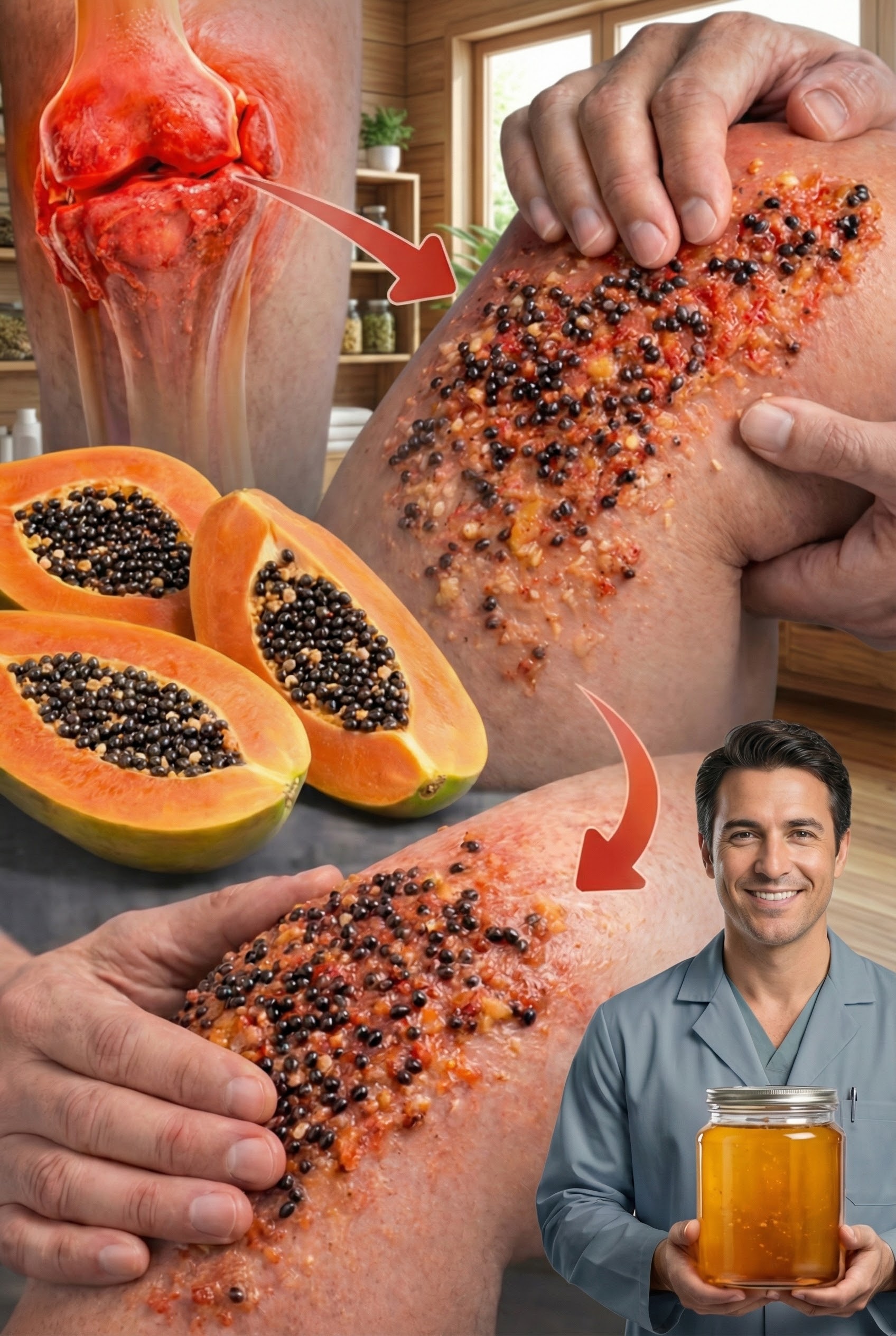
Why Papaya Seeds Are Worth Exploring for Joint Comfort
Papaya is a tropical fruit packed with nutrients, but the seeds—often discarded—contain unique compounds that researchers are studying. These small black seeds are rich in enzymes, antioxidants, and polyphenols, which some studies suggest may help with inflammation in the body.
Research, including in vitro and animal studies, has shown that extracts from papaya seeds can modulate inflammatory markers. For instance, one review highlighted their potential anti-inflammatory properties due to compounds like flavonoids and phenolic acids. While most benefits are linked to the fruit’s enzyme papain, emerging evidence points to seeds contributing similar supportive effects.
But that’s not all—papaya seeds also provide fiber, healthy fats, and minerals like magnesium, which play roles in overall wellness.
What Science Says About Papaya and Joint Support
Studies on papaya (fruit, leaves, and seeds) indicate promising anti-inflammatory effects:
- Animal models have demonstrated reduced paw edema and inflammation with papaya seed extracts.
- In vitro research shows seed compounds inhibiting pro-inflammatory pathways.
- General reviews note papaya’s enzymes and antioxidants may support conditions involving inflammation, though human trials specifically on seeds for joints are limited.
Experts emphasize that while papaya shows potential, it’s part of a broader approach including diet, exercise, and medical advice. No food alone replaces professional care, but incorporating nutrient-rich options like these seeds might complement your routine.
Here’s a quick comparison of papaya parts and their studied properties:
| Part of Papaya | Key Compounds | Potential Benefits Noted in Research |
|---|---|---|
| Fruit Flesh | Papain enzyme, Vitamin C | Digestion support, antioxidant effects |
| Seeds | Polyphenols, flavonoids, carpain | Anti-inflammatory markers in lab studies, fiber for gut health |
| Leaves | Alkaloids, papain | Traditional use for inflammation, some animal studies on pain |
Easy Ways to Prepare and Use Papaya Seeds at Home
The good news? Incorporating papaya seeds is simple and takes just minutes. Start small to get used to their peppery taste.
Step-by-Step Guide to Drying and Grinding Seeds
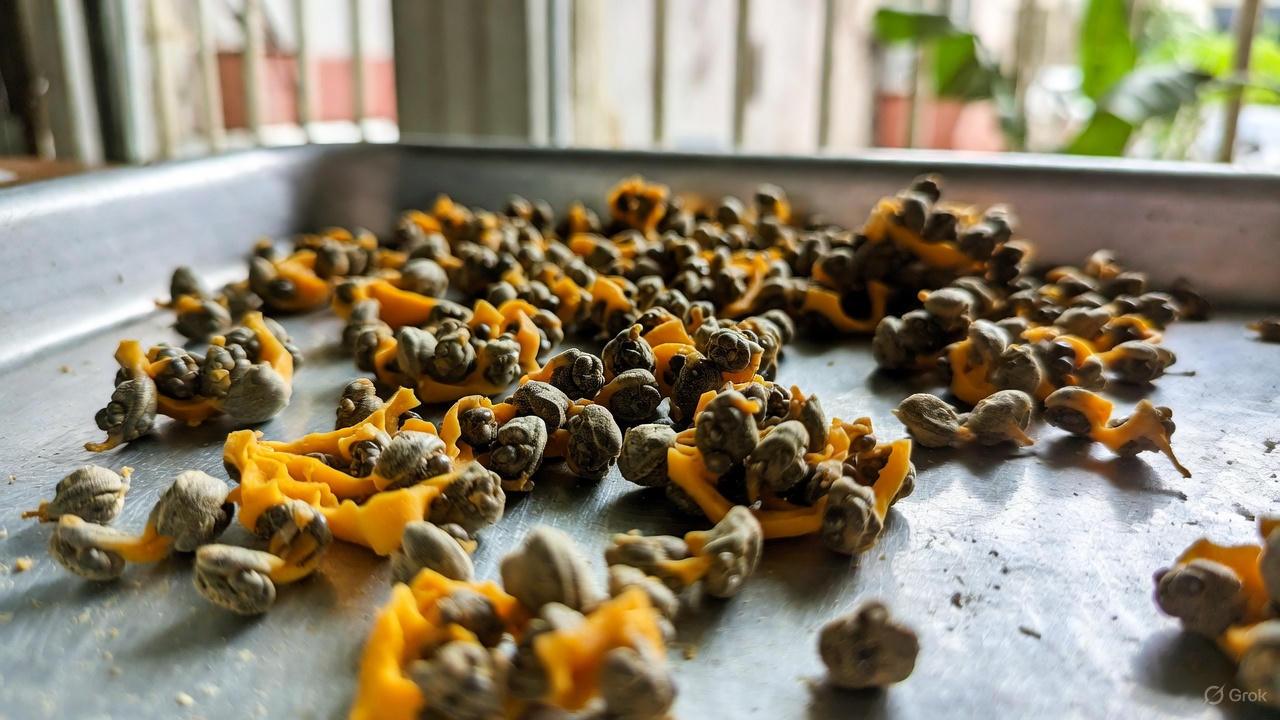
- Scoop seeds from a ripe papaya and rinse off the jelly-like coating.
- Spread them on a tray and dry in the sun or a low oven (under 150°F) for a few hours until crisp.
- Grind into powder using a mortar or blender—store in an airtight jar.
Daily Habits to Try
- As a Spice Replacement: Sprinkle 1/2–1 teaspoon of ground seeds on salads, soups, or yogurt for a pepper-like kick.
- In Smoothies: Add 1 teaspoon fresh or dried seeds to fruit blends (they pair well with banana or berries).
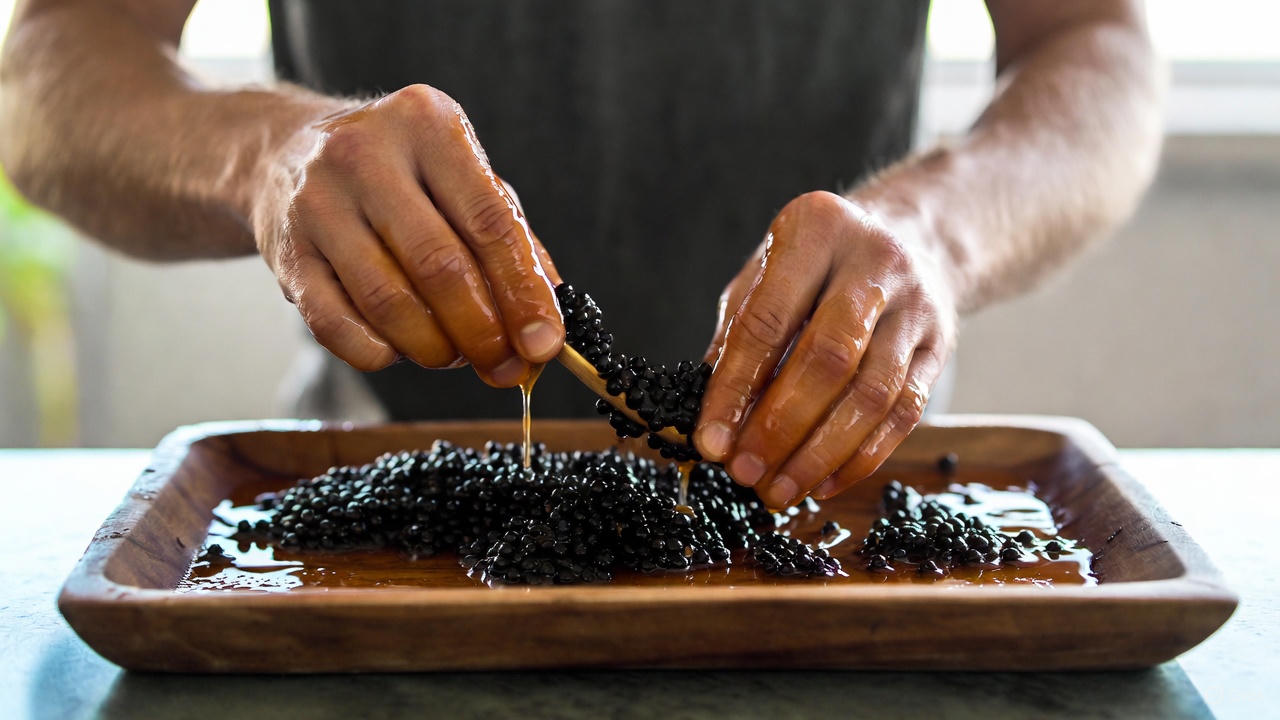
- With Honey: Mix 1 teaspoon ground seeds with a spoonful of honey for a quick daily dose.
Many people start with 1 teaspoon per day and gradually increase to 1–2 tablespoons, but listen to your body.
Here are some simple recipe ideas:
- Papaya Seed Dressing: Blend 1 tbsp ground seeds with olive oil, vinegar, and honey for salads.
- Morning Boost: Stir into oatmeal or tea.
- Tropical Mix: Combine with nuts and dried fruit for a snack.
The key is consistency—think of it as a small addition to your wellness routine.
Additional Tips for Supporting Joint Comfort Naturally
While exploring papaya seeds, combine them with other evidence-based habits:
- Stay active with low-impact exercises like walking or swimming.
- Include anti-inflammatory foods: fatty fish, berries, turmeric, and leafy greens.
- Maintain a healthy weight to reduce joint stress.
- Stay hydrated and get quality sleep.
Research supports that a diet rich in antioxidants and omega-3s can contribute to overall comfort.
Conclusion: A Worthwhile Habit to Consider
Adding papaya seeds to your daily routine is an accessible, natural way to explore support for joint comfort. With their nutrient profile and preliminary research on anti-inflammatory potential, they offer an interesting option for those seeking home-based habits. Many find the process enjoyable, turning a discarded part of the fruit into something useful.
Start small, track how you feel, and remember—this is about supporting your body alongside healthy lifestyle choices.
Frequently Asked Questions
1. How many papaya seeds should I consume daily?
Most suggestions range from 1 teaspoon to 1–2 tablespoons of fresh or dried seeds. Begin with less to assess tolerance, as they have a strong flavor.
2. Do papaya seeds have any side effects?
They are generally safe in moderation but can cause digestive upset if overconsumed. Avoid large amounts if pregnant or trying to conceive, as traditional uses suggest fertility effects.
3. Can I eat papaya seeds raw?
Yes—fresh seeds are edible after rinsing. Drying and grinding makes them easier to use regularly.
Important Disclaimer: This article is for informational purposes only and not medical advice. Natural remedies like papaya seeds may support wellness but do not diagnose, treat, or prevent any condition. Always consult your healthcare provider before trying new habits, especially if you have health concerns or take medications.
(Word count: approximately 1,250)