Many women over 65 notice subtle changes in their intimate health after menopause, such as a shift in natural scent or increased dryness. These shifts can feel worrying and affect daily confidence, especially during close moments or everyday activities. It’s a common experience tied to natural hormonal changes, yet it often leaves women feeling unsure about what’s normal and how to feel comfortable again.
The good news is that small, everyday adjustments can make a meaningful difference in supporting your body’s balance. But there’s one common practice that research suggests may unintentionally disrupt this delicate equilibrium – and discovering gentler alternatives could be the key to feeling more at ease. Keep reading to learn more about these changes and practical steps many women find helpful.
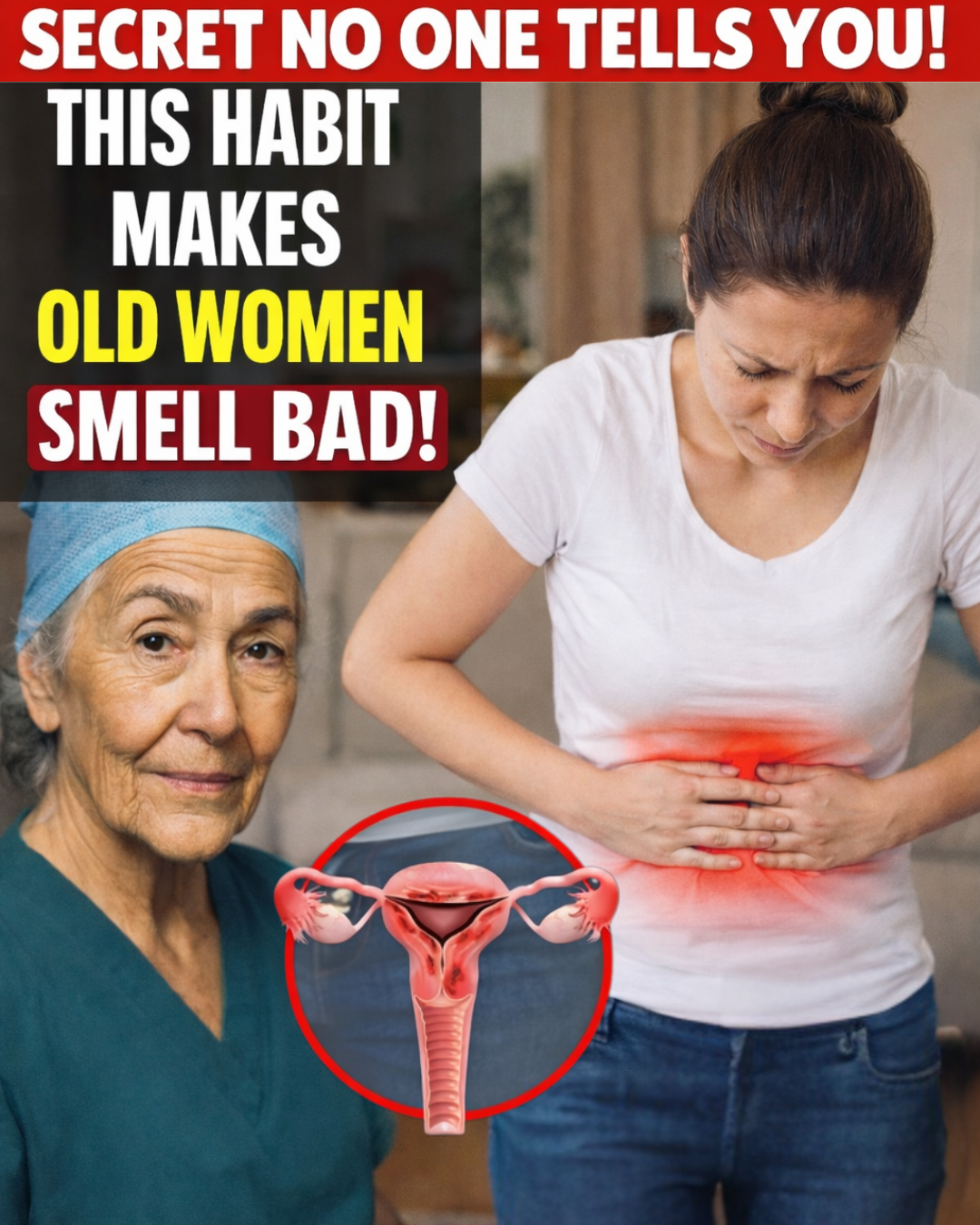
Understanding Natural Changes in Vaginal Health After Menopause
As estrogen levels naturally decline during and after menopause, the vaginal tissues can become thinner and produce less moisture. This shift also affects the vaginal pH, making it slightly less acidic than before.
Research shows that a lower estrogen level reduces the presence of beneficial lactobacilli bacteria, which help maintain a healthy environment. With fewer of these protective bacteria, the vaginal ecosystem becomes more vulnerable to imbalances, potentially leading to noticeable changes in scent or mild discomfort.
These changes are a normal part of aging for many women. Studies indicate that up to 50% of postmenopausal women experience some degree of vaginal dryness or related shifts, often without any underlying infection.
But that doesn’t mean you have to simply accept discomfort. Many women report feeling more confident with simple lifestyle tweaks that work in harmony with their body’s natural processes.
One Common Habit Many Gynecologists Advise Reconsidering: Douching
A practice some women have used for years is vaginal douching, often with the intention of feeling cleaner or fresher. However, major health organizations, including the American College of Obstetricians and Gynecologists (ACOG), recommend against it.
Here’s why: Douching can wash away the beneficial bacteria that protect the vaginal environment, altering the natural pH balance. In postmenopausal women, where the ecosystem is already more delicate due to lower estrogen, this may allow other bacteria to thrive, potentially contributing to irritation or stronger scents over time.
Research supports this caution – studies have linked regular douching to a higher risk of bacterial imbalances. Stopping this habit often allows the body’s self-regulating mechanisms to restore equilibrium more effectively.
Many women who have made this change share that they noticed gradual improvements in comfort within a few weeks.
Gentle Everyday Practices to Support Vaginal Balance and Comfort
Supporting your intimate health doesn’t require complicated routines. Here are some evidence-based habits that many women find supportive:
- Stay well-hydrated: Drinking plenty of water helps maintain overall tissue moisture and supports natural lubrication.
- Choose breathable cotton underwear: This allows better airflow, reducing moisture buildup that can affect balance.
- Practice front-to-back wiping: A simple step to help prevent transferring bacteria from the anal area.
- Change out of damp clothes promptly: Especially after swimming or exercise, to keep the area dry.
- Use mild, unscented soap only externally: Gentle cleansing of the vulva with warm water is often sufficient – avoid internal washing.
- Incorporate probiotic-rich foods: Foods like plain yogurt or kefir may help support healthy bacteria levels from within.
- Allow natural self-regulation: The vagina is designed to clean itself, so avoiding internal products lets protective mechanisms work best.
These steps are straightforward and focus on working with your body rather than against it.
Habits to Reconsider vs. Gentler Alternatives
To make it easier to compare, here’s a simple table of common practices and supportive options:
| Habit to Reconsider | Potential Concern After Menopause | Gentler Alternative |
|---|---|---|
| Vaginal douching | May disrupt natural bacteria and pH balance | External wash with plain water only |
| Scented soaps or sprays | Can irritate thinner tissues | Fragrance-free, mild external cleanser |
| Tight synthetic underwear | Traps moisture and heat | Breathable cotton panties |
| Frequent internal cleansing | Removes protective layers | Trust the vagina’s self-cleaning ability |
Many women find switching to these alternatives brings a sense of relief and simplicity.
Why These Gentle Changes Can Make a Noticeable Difference
Adopting supportive habits can lead to several positive shifts:
- Greater daily ease and reduced self-consciousness in social or intimate settings.
- Less irritation as tissues stay calmer and more hydrated.
- Support for natural bacterial balance, allowing beneficial microbes to thrive.
- A more consistent feeling of freshness without relying on masking products.
- Potentially fewer concerns that prompt doctor visits.
- Renewed confidence during closeness with a partner.
- An overall simpler routine focused on natural care.
Research suggests that avoiding disruptive practices like douching can help maintain a healthier vaginal microbiome, especially in the postmenopausal years.
Easy Ways to Incorporate These Habits Into Your Routine
Start small for lasting results. Here’s a step-by-step approach many women use:
- Evening cleanse: Gently wash the external vulva with warm water and unscented soap if needed – skip anything internal.
- Daily underwear choice: Opt for cotton and change as needed; consider going without at night for better airflow.
- Hydration goal: Aim for 8 glasses of water daily, and include probiotic foods like yogurt a few times a week.
- Monitor gently: Note any positive shifts over 1-2 weeks without over-washing.
- Schedule check-ups: Annual visits help catch any needs early.
The interesting part? Many women notice subtle improvements in comfort within the first week or two.

Common Questions About Vaginal Changes After Menopause
Is a change in vaginal scent normal after menopause?
Yes, mild shifts are common due to lower estrogen affecting pH and bacteria. However, a strong or unusual odor with other symptoms warrants a check with your doctor.
When should I see a gynecologist about intimate concerns?
If you experience persistent strong odor, unusual discharge, itching, burning, or pain, it’s wise to consult a professional to rule out infections or other issues.
Are there any foods or supplements that help vaginal health?
Probiotic-rich foods like yogurt may support overall bacterial balance, but evidence is mixed. Always discuss supplements with your doctor before starting.
Final Thoughts
Navigating intimate health changes after 65 can feel challenging, but many women discover that gentle, consistent habits bring welcome relief and confidence. By focusing on hydration, breathable fabrics, external hygiene, and allowing natural balance, you’re supporting your body in a kind and effective way.
Which habit will you try first – switching to cotton underwear or adding more water and probiotics? Feel free to share your experiences in the comments; your insights could help others feel less alone.
This article is for informational purposes only and is not a substitute for professional medical advice. Always consult your gynecologist about intimate concerns, especially if symptoms persist or include discharge, itching, or discomfort.