Many adults over 40 notice subtle changes in their vision, like needing more light to read or feeling occasional dryness after a long day. These small shifts can build up over time, making everyday tasks a bit more challenging and raising questions about long-term eye comfort. But there’s a simple, natural way to give your eyes some extra support through everyday food choices.
What if one overlooked tropical fruit could provide key nutrients that research links to healthier eyes? Keep reading to discover why guava stands out—and how easy it is to include it in your meals.

Why Eye Health Matters More After 40
As we get older, our eyes face more stress from daily life, like screens, sunlight, and natural aging.
Nearly 20 million Americans aged 40 and older live with some form of age-related macular degeneration, according to recent estimates. Millions more deal with issues like dryness or lens clouding.
These changes often stem from oxidative stress and lower levels of protective nutrients.
But that’s not all—studies show that diets rich in certain antioxidants and vitamins may help maintain eye comfort and function.
Here’s the interesting part: Many people focus on carrots or blueberries, but guava packs a powerful combination of eye-friendly compounds.
What Makes Guava a Nutrient Powerhouse for Eyes
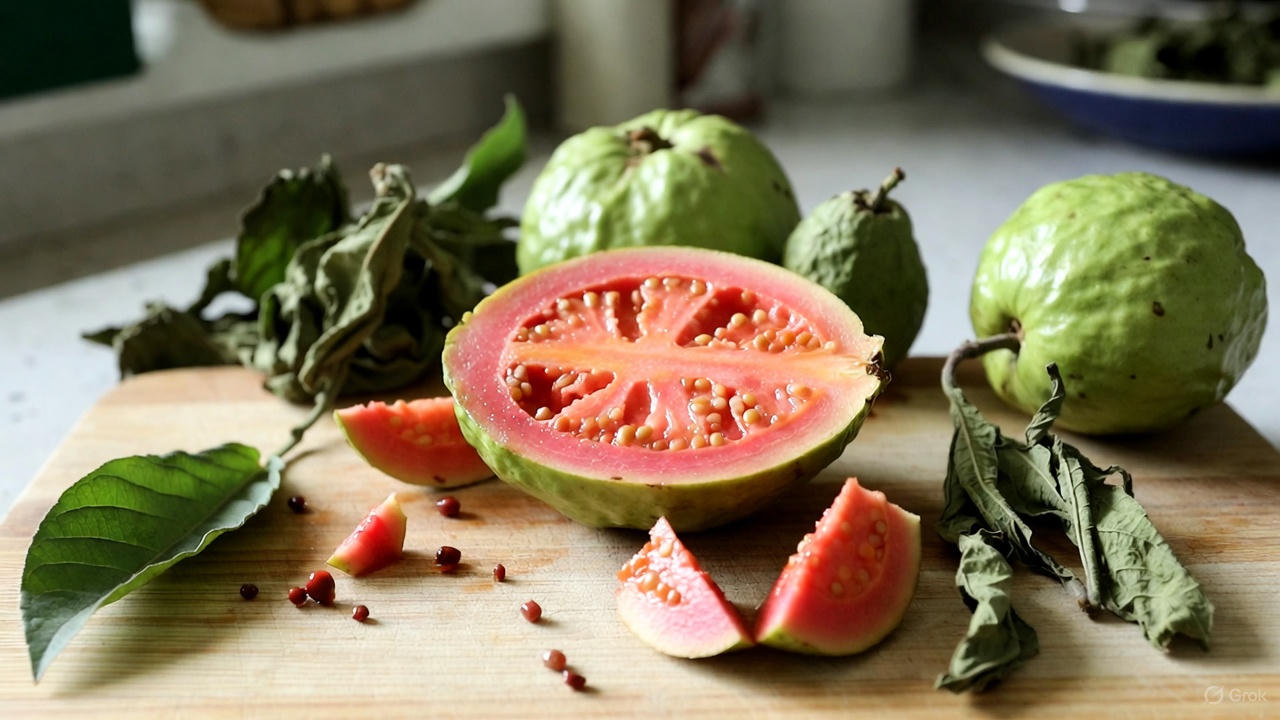
Guava is loaded with vitamin C—often more than oranges—plus vitamin A precursors like beta-carotene, and antioxidants including lycopene.
Research suggests these nutrients play roles in supporting retinal health and protecting against daily wear.
One medium guava can deliver impressive amounts of these compounds in a tasty, low-calorie package.
But how does this translate to everyday eye support? Let’s break it down.
Key Nutrients in Guava and Their Roles
- Vitamin C: A strong antioxidant that research links to overall eye tissue health.
- Vitamin A (from beta-carotene): Essential for low-light vision and corneal moisture.
- Lycopene: Found especially in pink guava, this antioxidant may help shield cells from oxidative damage.
- Other carotenoids: Guava provides a mix that studies associate with macular support.
Studies indicate that higher intake of these nutrients from food sources correlates with better eye health markers.
You’re already halfway through—stick around for practical ways to add guava.
Ways Guava May Support Everyday Eye Comfort
Research points to several areas where guava’s nutrients could make a difference.
1. Helping with Low-Light Vision
Vitamin A supports the production of pigments needed for seeing in dim conditions. Guava’s beta-carotene converts to vitamin A in the body.
2. Promoting Eye Moisture
Dryness is common with age. Vitamin A helps maintain surface lubrication, while antioxidants reduce inflammation.
3. Providing Antioxidant Protection
Free radicals from screens and UV light can stress eye cells. Guava’s vitamin C and lycopene act as natural defenders.
Studies show antioxidant-rich diets may lower oxidative stress in the retina.
4. Supporting Retinal and Macular Areas
Carotenoids like those in guava accumulate in the macula, filtering harmful light.
Higher dietary levels are linked in research to better macular density.
This is where it gets exciting—consistency matters most.

Guava Compared to Other Popular Fruits
Here’s a quick comparison based on common nutritional data:
| Fruit | Vitamin C Level | Carotenoids (like beta-carotene & lycopene) | Overall Antioxidant Profile |
|---|---|---|---|
| Guava | Highest | Excellent | Top-tier |
| Orange | High | Moderate | Good |
| Carrot | Moderate | Very high (beta-carotene) | Strong for night vision |
| Blueberry | Moderate | High (anthocyanins) | Great antioxidant |
| Kiwi | Very high | Moderate | Solid |
Guava often edges out others in vitamin C and combined carotenoids.
Pro tip: Pink varieties tend to have more lycopene.
Simple Ways to Include Guava in Your Routine
Start small for the best results.
Step-by-Step Guide
- Week 1: Try one fresh guava a few times a week. Eat it raw, skin on, for extra fiber.
- Week 2-4: Add to smoothies or salads. Blend with yogurt for better absorption.
- Ongoing: Mix forms—like fresh, juice, or even leaf tea for variety.
Pair with a healthy fat, like nuts, to boost carotenoid uptake.
Research suggests regular intake from whole foods provides the most benefits.
But wait—there’s more on why whole fruit beats isolated supplements.
Common Questions About Guava and Eye Health
How much guava should I eat daily?
One or two medium fruits provide a good nutrient boost. Listen to your body and vary your diet.
Is guava safe for everyone?
Most people enjoy it without issues, but if you have allergies or conditions, check with your doctor.
Can guava replace eye checkups?
No—regular exams are key. Food supports overall wellness, not specific treatments.
You’ve made it to the end—great job committing to your health!
In summary, guava offers a delicious way to get nutrients that studies link to eye support, from antioxidants to vision essentials. Adding it regularly could be a smart, natural habit.
This article is for informational purposes only and is not intended to diagnose, treat, cure, or prevent any disease. Always consult your healthcare provider for personalized advice.