In today’s fast-paced world, many people feel constantly run down during seasonal changes, struggling with low energy and a desire for simple ways to support their overall well-being. The frustration builds when everyday foods seem ordinary, yet one common ingredient sits overlooked in kitchens everywhere, holding untapped supportive properties backed by centuries of use and modern research. But what if a small habit change could help you make the most of this familiar bulb—and there’s a surprisingly effective preparation tip waiting that ties everything together later in this guide.
Why Garlic Deserves a Closer Look in Your Daily Meals
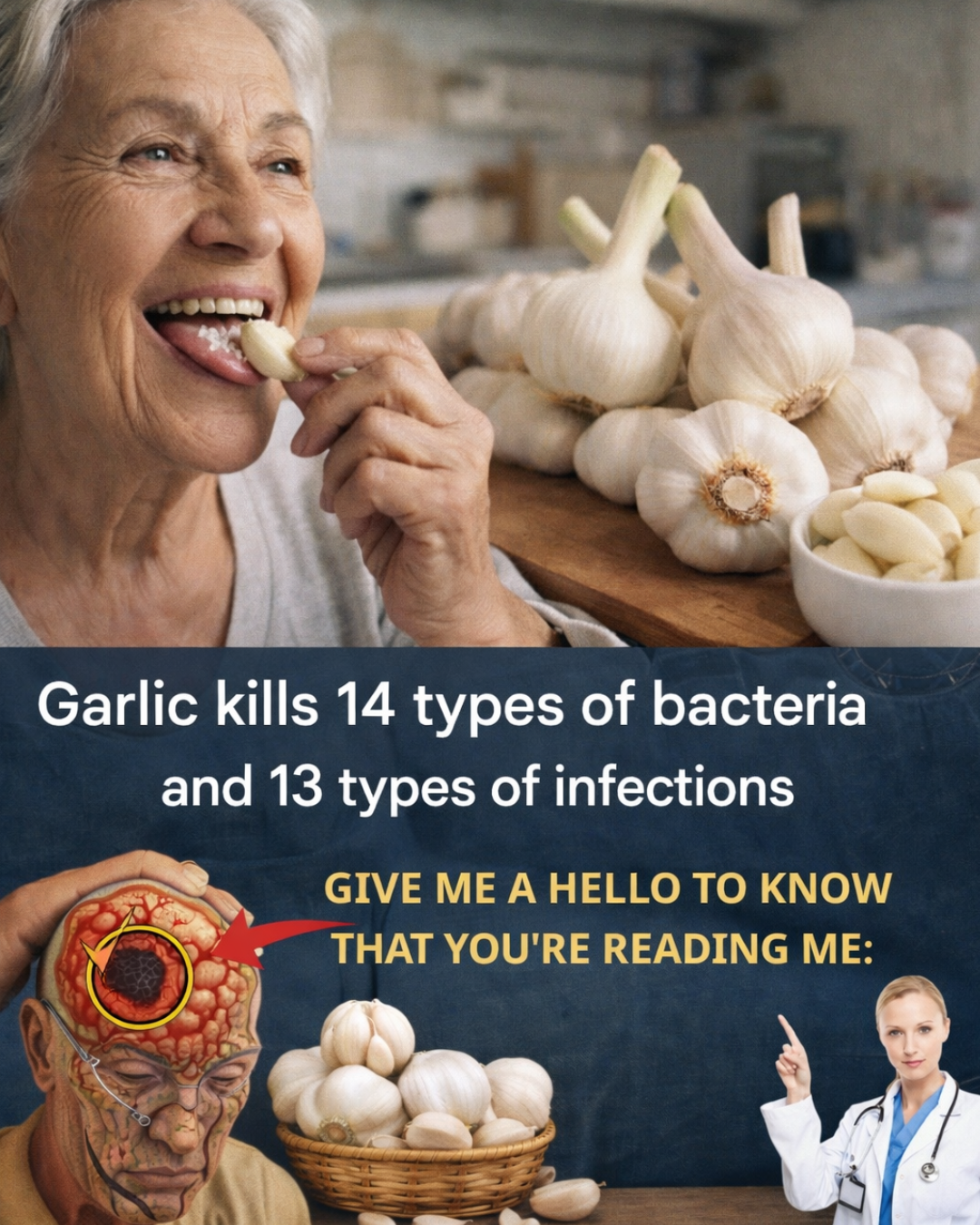
Garlic has been a staple in cuisines and traditional practices worldwide for thousands of years. This versatile bulb isn’t just about adding flavor—research shows its sulfur-containing compounds contribute to various supportive effects when included regularly in a balanced diet.
Studies, including reviews from sources like the National Institutes of Health, highlight garlic’s role in promoting antioxidant activity and supporting microbial balance. But the real key lies in how you prepare it.
Here’s the interesting part: The most studied compound, allicin, isn’t present in whole cloves. It forms only through a natural enzymatic reaction.
The Science Behind Garlic’s Key Compound: Allicin Explained
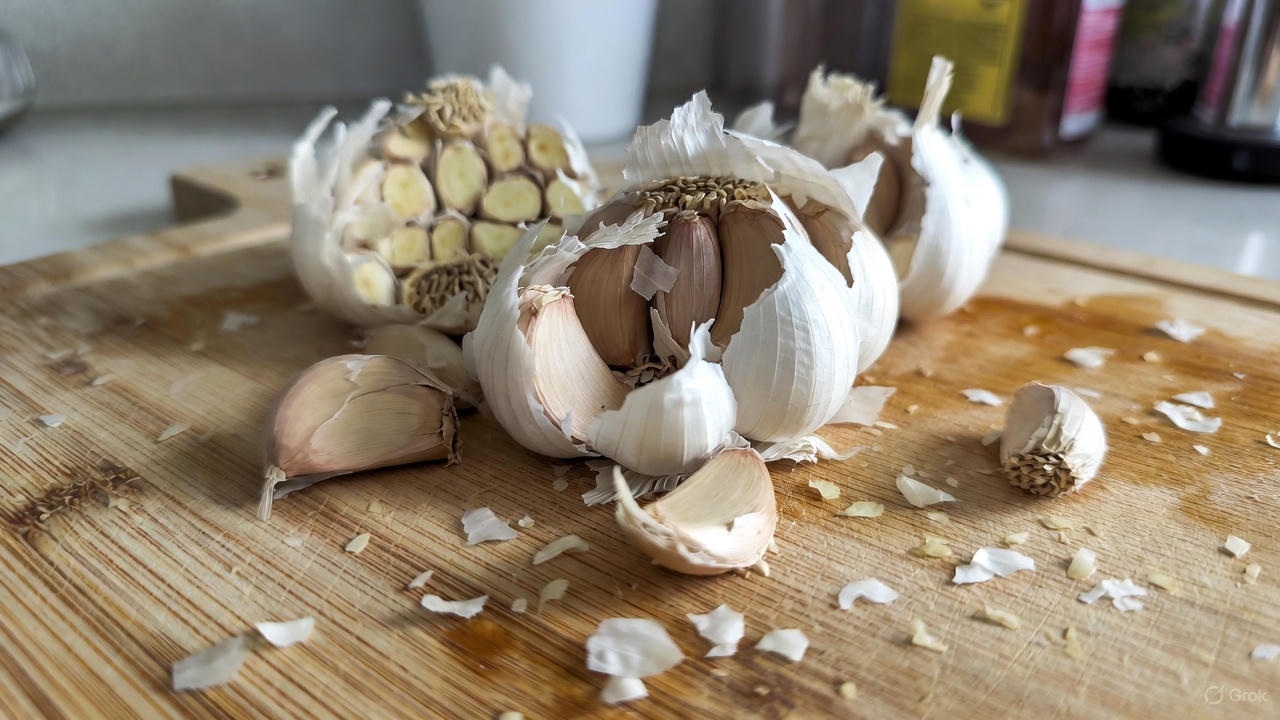
When you crush or chop fresh garlic, cell walls break, allowing the enzyme alliinase to convert alliin into allicin—the sulfur compound responsible for that distinctive aroma.
Research from the Linus Pauling Institute notes this reaction happens quickly but is maximized when garlic rests after chopping.
- Allicin forms rapidly within seconds of crushing.
- It contributes to many of garlic’s observed biological activities in lab studies.
- Heat can deactivate the enzyme, reducing allicin yield.
This is why preparation matters so much. But that’s not all—garlic offers more through other compounds too.
Supportive Properties Backed by Research
Scientific interest in garlic spans decades, with human studies exploring its potential in everyday wellness.
Antioxidant Support
Garlic’s organosulfur compounds, like diallyl sulfide, help combat oxidative stress in lab and animal models. Human trials, including those reviewed in Antioxidants journal, suggest regular intake may boost overall antioxidant status.
Cardiovascular-Friendly Habits
Many observational and intervention studies link garlic consumption to supporting healthy blood flow and vessel relaxation. A meta-analysis of trials found modest benefits for blood pressure in certain groups.
Microbial Balance
Traditional use of garlic for food preservation aligns with lab evidence of its interactions with microorganisms. Studies show compounds like allicin exhibit broad activity in vitro.
Gut Harmony
Garlic contains prebiotic-like fibers that may nurture beneficial bacteria when eaten in moderation.
Consistency with food sources often shows the most promise, per reviews in Frontiers in Nutrition.
Practical Ways to Incorporate Garlic Effectively
Ready to try? Start with simple, actionable steps.
The Crush-and-Rest Technique
This evidence-based method maximizes allicin potential.
- Peel and finely chop or crush 1-2 fresh cloves.
- Let it sit uncovered for 10 minutes at room temperature.
- Add to salads, dressings, or finished dishes.
Tip: Crushing more thoroughly enhances the reaction, as noted in studies on allicin yield.
Soothing Garlic-Ginger-Lemon Infusion
A gentle traditional drink for seasonal support.
- Crush 1 clove garlic and rest 10 minutes.
- Add 3-4 fresh ginger slices and 1-2 lemon slices.
- Pour hot (not boiling) water over; steep 8-10 minutes.
- Strain and sweeten with honey if desired.
Enjoy 1 cup daily during cooler months.
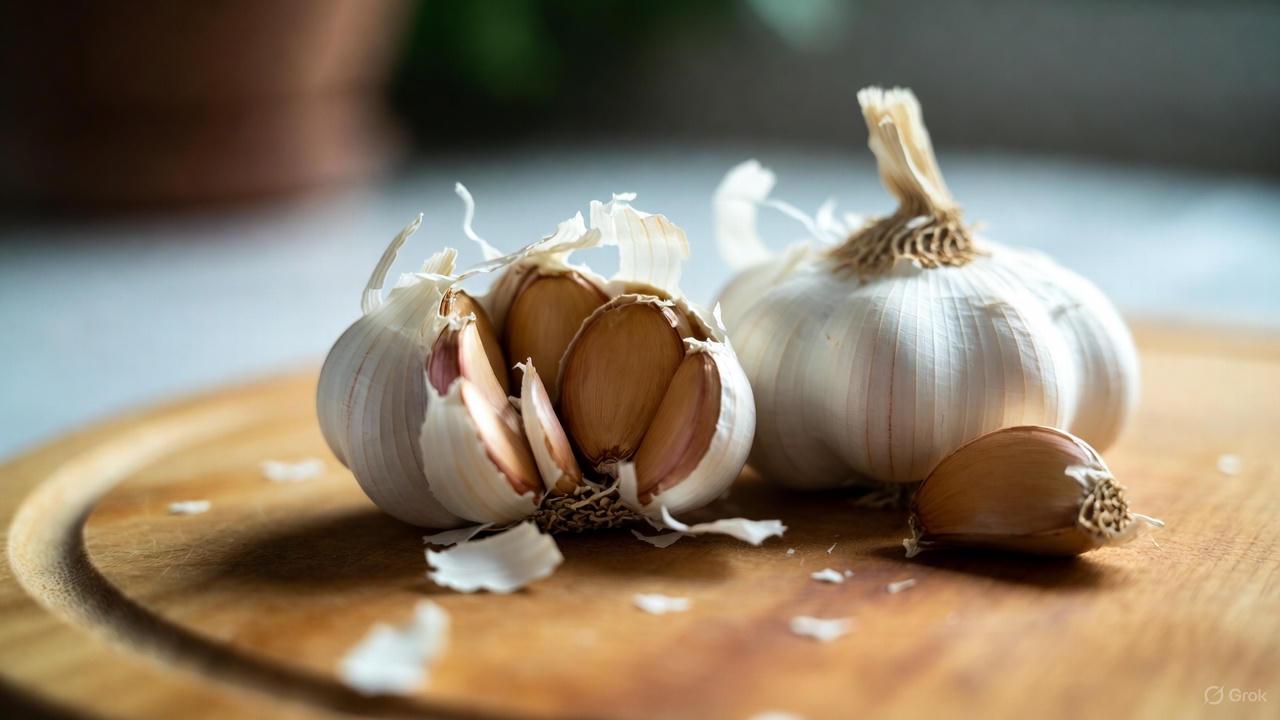
Garlic-Honey Blend for Short-Term Use
Popular in wellness routines.
- Crush 3 rested cloves.
- Mix with 2 tablespoons raw honey.
- Store refrigerated; use ½-1 teaspoon daily with meals.
- Best for up to 1 week.
How Much Garlic Fits Your Routine?
| Usage Level | Suggestion | Notes |
|---|---|---|
| Everyday Cooking | 1-2 cloves in meals | Builds consistency naturally |
| Focused Short-Term | 1 raw clove daily (rested) for 2-4 weeks | With food to ease digestion |
| Supplements | Follow label; choose standardized | Consult a professional first |
Research emphasizes moderate, regular amounts over high doses.
Important Considerations for Safe Enjoyment
Raw garlic can sometimes irritate the stomach—always pair with food.
It may interact with blood-thinning medications, as noted in WebMD reviews.
Avoid high amounts before surgery or if pregnant/breastfeeding beyond culinary use.
Garlic supports a healthy lifestyle but isn’t a substitute for medical care.
Raw vs. Cooked: Which Offers More?
| Aspect | Raw (Rested) | Cooked |
|---|---|---|
| Allicin Content | Higher potential | Lower (heat-sensitive) |
| Other Compounds | Full spectrum | Retains antioxidants |
| Ease of Use | Strong flavor | Milder, versatile |
Both have value—mix them for balance.
Wrapping Up: Rediscover This Kitchen Staple
Garlic stands out as an accessible, research-supported addition to daily habits, offering antioxidant, cardiovascular, and microbial supportive properties through proper use. Embrace the crush-and-rest method, experiment with infusions or blends, and enjoy it as part of varied meals.
Small changes like these can make a meaningful difference over time.
Frequently Asked Questions
Is resting chopped garlic really necessary?
Yes—studies show 10 minutes allows maximum allicin formation before heat or acid interferes.
Can garlic support immune function during cold season?
Some trials suggest benefits from regular intake, but it’s supportive, not preventive alone.
What’s the best way to store fresh garlic?
Keep whole bulbs in a cool, dry place; use within weeks for peak freshness.
Disclaimer: This information is for educational purposes only and not medical advice. Garlic is a food that may support wellness but does not diagnose, treat, or cure any condition. Always consult a healthcare professional before changing your diet, especially with medications or health concerns.