Discolored, thickened, or brittle nails can be frustrating and embarrassing, making simple things like wearing open-toe shoes feel uncomfortable. The itching, discomfort, and worry about it spreading to other nails only add to the daily hassle many people face with nail fungus concerns. But what if a common kitchen spice could offer some natural support for maintaining healthier-looking nails? Today, we’re diving into how cloves—a familiar ingredient in cooking—might play a role, thanks to their natural compounds. And by the end, you’ll discover a few simple at-home ideas that could make a noticeable difference over time.
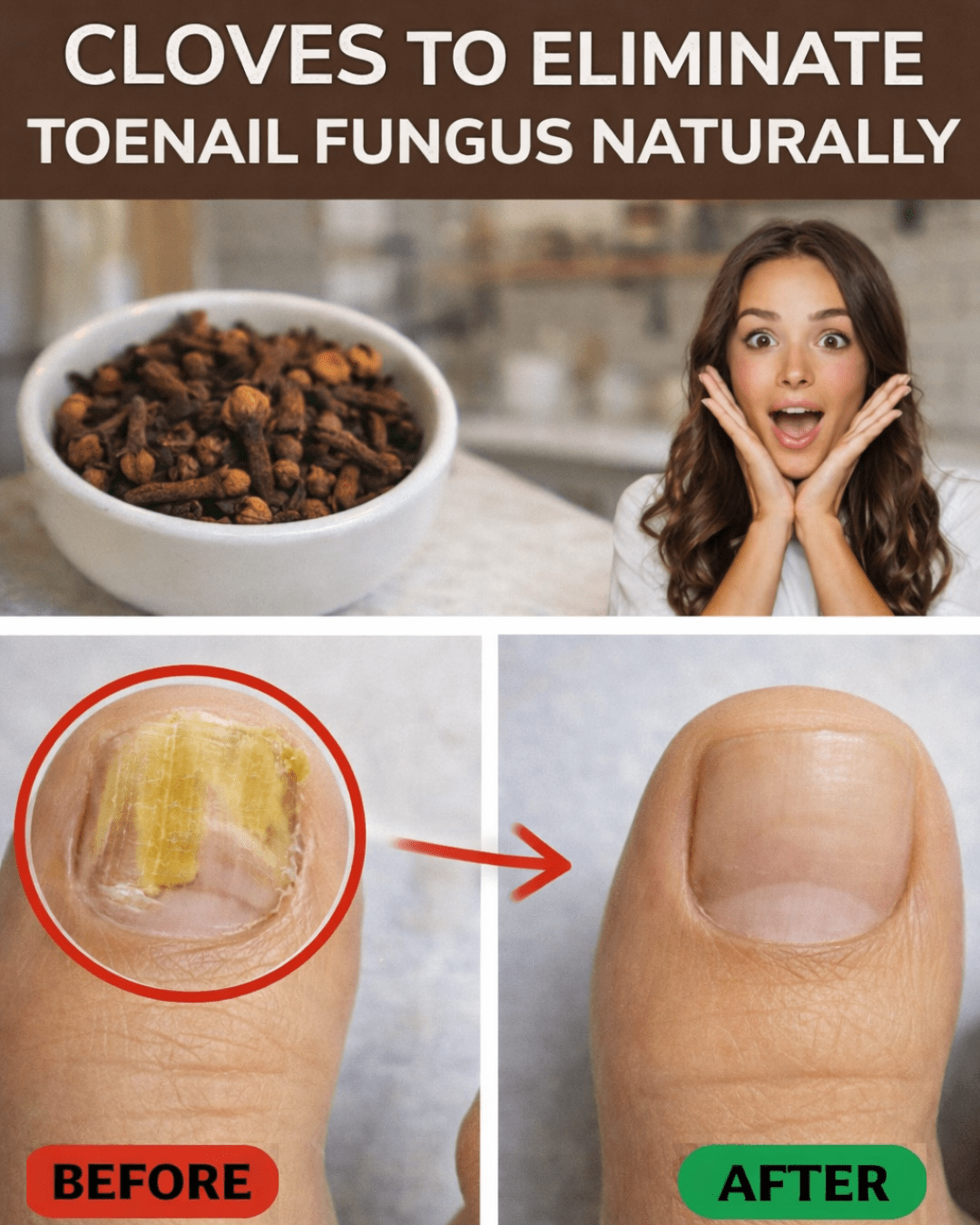
What Makes Cloves Interesting for Nail Health?
Cloves come from the dried flower buds of the Syzygium aromaticum tree, a tropical evergreen native to Indonesia. They’ve been used for centuries in traditional practices for their aromatic qualities and potential supportive properties.
The key compound in cloves is eugenol, which makes up a large portion of clove essential oil (often 70-90%). Research, including lab studies published in journals like the Journal of Medical Microbiology, has shown that eugenol and clove oil exhibit antifungal activity against various fungi, including dermatophytes like Trichophyton rubrum—the ones commonly associated with nail issues.
But that’s not all…
Studies have found that eugenol can interfere with fungal cell membranes and reduce ergosterol (a component similar to cholesterol in fungal cells), potentially making it harder for fungi to thrive. For instance, one study highlighted clove oil’s effectiveness against certain strains in lab settings.
Of course, these are mostly in vitro (test tube) findings, and real-world results can vary. Many people turn to cloves as a complementary approach alongside good nail hygiene.
Potential Benefits Backed by Research
Here’s a quick overview of what studies suggest about cloves and eugenol:
- Antifungal effects: Strong activity against dermatophytes and Candida species in lab tests.
- Membrane support: May disrupt fungal cell integrity without always affecting human cells the same way.
- Anti-inflammatory properties: Could help soothe surrounding skin discomfort.
- Antioxidant support: Helps combat oxidative stress, which plays a role in overall nail health.
Research from PubMed sources indicates promising results, but human clinical trials specifically for nail applications are limited. Always pair natural approaches with professional advice for best outcomes.
Simple Ways to Incorporate Cloves into Your Nail Care Routine
If you’re curious about trying cloves, start with diluted forms—pure clove oil is potent and needs caution. Here are some gentle, step-by-step ideas inspired by traditional uses and supported by anecdotal reports.
1. Diluted Clove Oil Application
Clove essential oil is the concentrated form many people use.
Step-by-step guide:
- Choose a high-quality clove essential oil (look for one with high eugenol content).
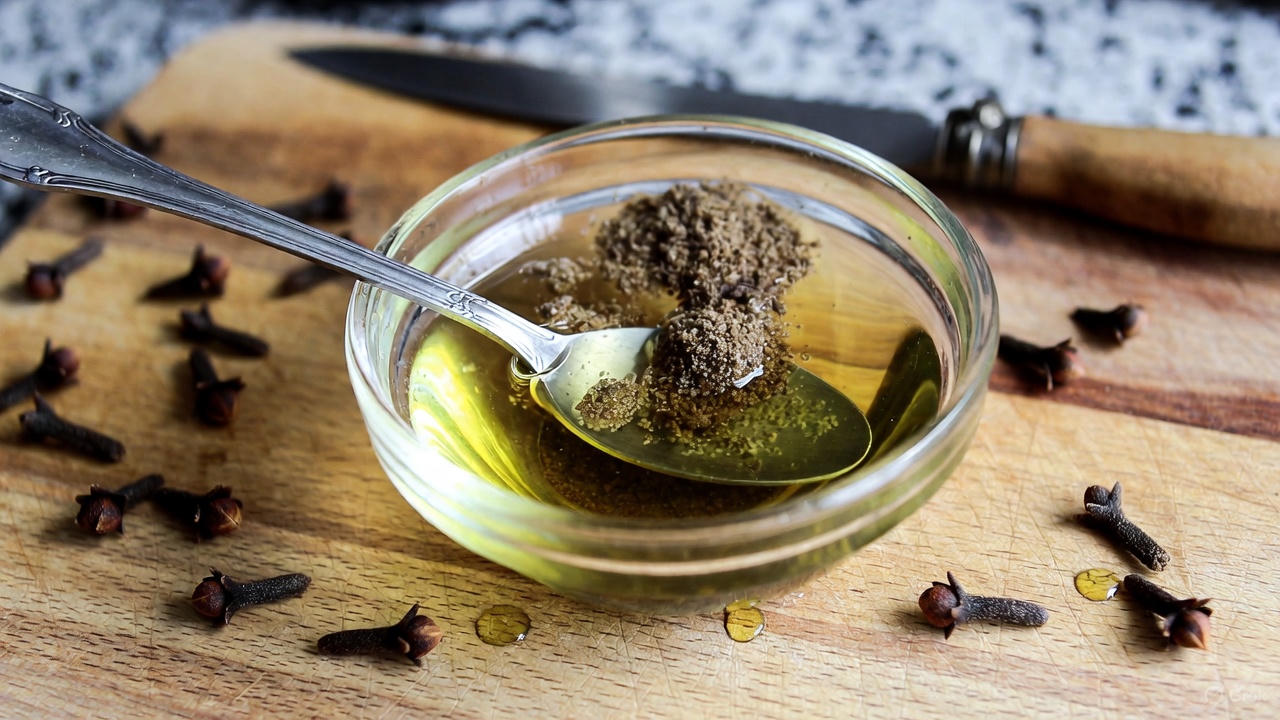
- Always dilute: Mix 1-2 drops of clove oil with 1 teaspoon of a carrier oil like coconut or olive oil (this prevents irritation).
- Clean and dry the affected nail thoroughly.
- Use a cotton swab to apply the mixture directly to the nail and surrounding skin.
- Let it absorb for 15-20 minutes, then rinse if desired.
- Repeat once or twice daily.
Many find this soothing, but consistency is key—nails grow slowly, so give it weeks to months.
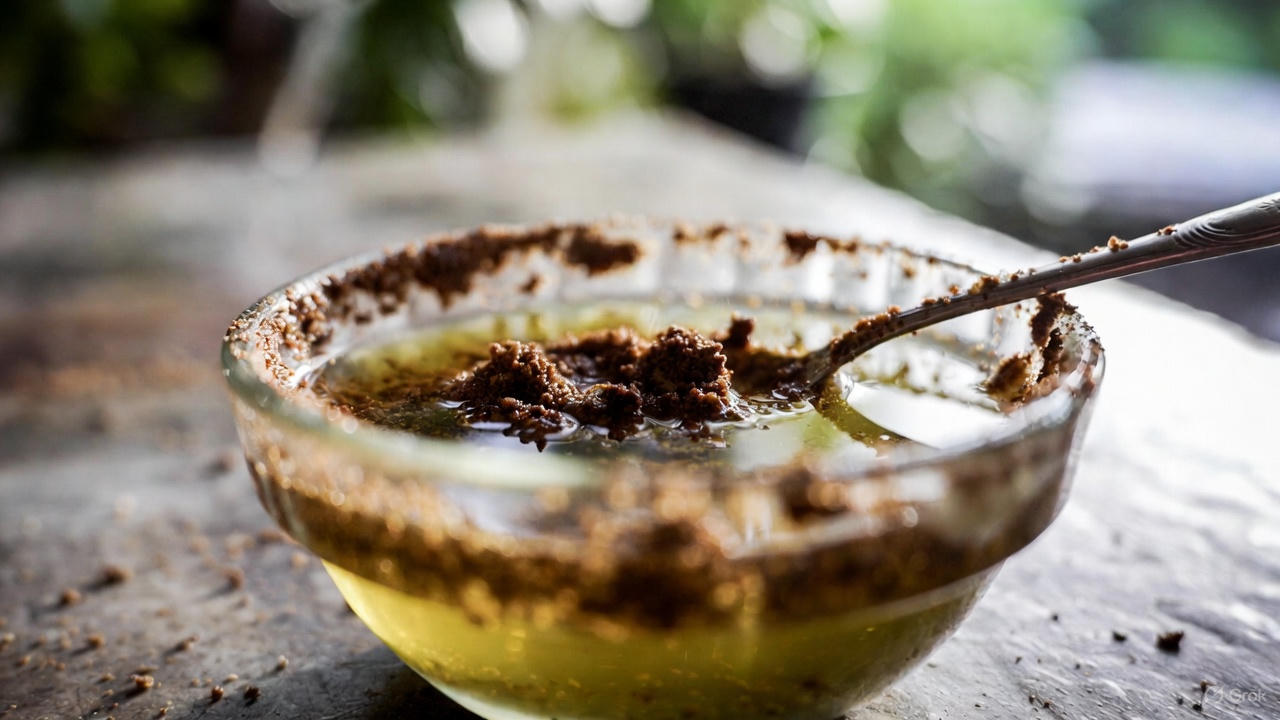
2. Clove-Infused Soak
A warm soak can help the compounds penetrate better.
Ingredients:
- 1-2 tablespoons whole or ground cloves
- 2 cups warm water
How to prepare and use:
- Boil the water and add cloves.
- Steep for 15 minutes, then cool to a comfortable temperature.
- Soak your nails for 15-20 minutes.
- Pat dry completely afterward (moisture encourages fungal growth).
- Do this 2-3 times a week.
This method is gentle and relaxing—perfect for winding down.
3. Clove and Supportive Ingredient Paste
Combine with something absorbent for extra staying power.
Ingredients:
- 1 teaspoon ground cloves
- A pinch of baking soda (optional, for mild exfoliation)
- Enough carrier oil to form a paste
Application steps:
- Mix into a thick paste.
- Apply to clean, dry nails.
- Leave on for 15-20 minutes.
- Rinse and moisturize.
- Use 2-3 times weekly.
Here’s the interesting part: Some lab studies show eugenol works even better when combined with other natural compounds, amplifying supportive effects.
Safety Tips and Precautions to Keep in Mind
Cloves are generally safe in small amounts, but clove oil is strong.
- Always dilute: Undiluted oil can cause burning, redness, or irritation.
- Patch test first: Apply a diluted mix to your inner arm and wait 24 hours.
- Avoid sensitive areas: Don’t use on broken skin or open wounds.
- Not for everyone: If pregnant, nursing, or on medications, check with a doctor.
- Short-term use: Prolonged application might sensitize skin.
Research notes that while clove oil shows low toxicity in proper dilutions, overuse can lead to side effects.
Why Consistency and Hygiene Matter Most
Natural options like cloves can support your efforts, but they’re most effective alongside daily habits:
- Keep nails short and dry.
- Wear breathable shoes and moisture-wicking socks.
- Avoid sharing nail tools.
- Disinfect clippers regularly.
Combining these with clove routines often yields the best visibility in nail appearance.
Frequently Asked Questions
How long might it take to see changes in nail appearance?
Nails grow slowly (about 3mm per month for fingernails, slower for toenails). Consistent use over 3-6 months is common before noticing healthier growth.
Can I use whole cloves instead of oil?
Yes—grinding them fresh releases compounds, but oil is more concentrated. Whole cloves in soaks are milder and safer for beginners.
Is this suitable for all types of nail concerns?
Cloves show broader antifungal support in studies, but results vary. For severe or persistent issues, professional evaluation is recommended.
Final Thoughts
Exploring cloves for nail support is a gentle, natural way many people enhance their routine. With eugenol’s researched properties and easy home applications, it’s worth considering if you’re seeking complementary options. Remember, healthier nails come from patience and consistent care.
Disclaimer: This information is for educational purposes only and is not intended to diagnose, treat, cure, or prevent any disease. Natural remedies may support nail health but are not substitutes for medical advice. Consult a healthcare professional, especially for persistent nail concerns, before starting any new routine.