Many people notice their skin feeling drier and less supple as they get older, especially in areas like the face, neck, and hands. This dryness can make fine lines more noticeable and lead to discomfort from flaking or tightness. It’s common to reach for various moisturizers, but sometimes a basic ingredient can make a real difference in supporting skin hydration.
What if a simple, affordable product like petroleum jelly—often known as Vaseline—could help support your skin’s moisture barrier in everyday ways? Keep reading to discover practical tips backed by dermatologist insights, and one key application tip at the end that ties it all together.
Why Skin Hydration Matters More Than You Think
Dry skin isn’t just uncomfortable—it can affect how your skin looks and feels over time. When the skin’s natural barrier is compromised, it loses moisture more quickly, leading to roughness and visible lines.
Research shows that petrolatum, the main ingredient in Vaseline, acts as an occlusive agent. This means it forms a protective layer on the skin to help reduce water loss, known as transepidermal water loss (TEWL). Studies, including those published in dermatology journals, indicate that petrolatum can significantly improve hydration in dry or compromised skin.
But that’s not all—proper use can enhance the effectiveness of your existing products. Curious how? Let’s dive into some straightforward methods.
How Vaseline Works as a Skin Protectant
Petrolatum has been a go-to for dermatologists for decades. It’s recognized by the American Academy of Dermatology (AAD) as a safe and effective option for sealing in moisture, particularly on damp skin.
Unlike some lotions that evaporate quickly, petrolatum helps trap existing moisture. One study found it accelerates barrier recovery rather than hindering it.
Here’s a quick comparison of common moisturizer types:
| Type | How It Works | Best For | Example Duration of Hydration |
|---|---|---|---|
| Lotions | Lightweight, water-based | Normal to oily skin | Short-term |
| Creams | Thicker, with emollients | Dry skin | Medium |
| Ointments (like petrolatum) | Occlusive barrier | Very dry or irritated skin | Long-lasting |
This makes it especially helpful during colder months or for areas prone to dryness.
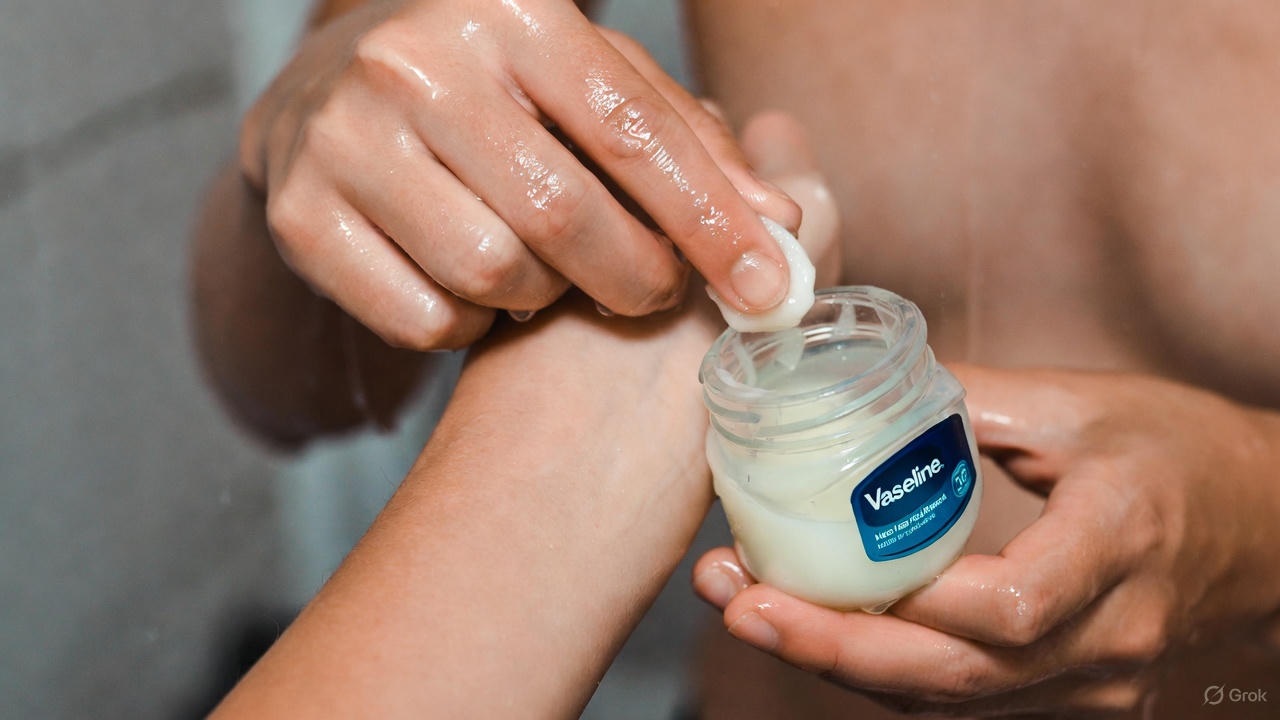
Way 1: Seal in Moisture After Showering
One of the most effective habits is applying a thin layer of Vaseline right after bathing, while skin is still slightly damp.
This helps lock in the water your skin has absorbed. Dermatologists often recommend this for maintaining softness throughout the day.
Step-by-step:
- Pat skin dry gently (don’t rub).
- Apply your usual moisturizer if desired.
- Follow with a pea-sized amount of Vaseline on dry-prone areas.
Many notice smoother texture within a few days.
Way 2: Soothe Dry Lips and Surrounding Areas
Chapped lips are common, especially in wind or low humidity.
A thin layer of Vaseline can protect and support hydration around the mouth.
The AAD suggests using it on lips to prevent cracking. Apply before bed for overnight support.
Bonus: It can also help makeup like lipstick go on more smoothly.
Way 3: Support the Delicate Eye Area
The skin around the eyes is thinner and often shows dryness first.
Gently dabbing a small amount of Vaseline over your eye cream can help retain moisture.
Studies on occlusives show improved hydration in this area. Use sparingly to avoid heaviness.
Here’s what people often report:
- Reduced flakiness around eyes
- Softer texture in the morning
- Better absorption of other products
Way 4: Protect Hands and Cuticles
Frequent hand washing can strip moisture, leading to rough cuticles.
Apply Vaseline at night, perhaps with cotton gloves for extra benefit.
Research supports its use for strengthening the barrier on hands.
Many find this simple step keeps nails and surrounding skin looking healthier.
Way 5: Smooth Rough Elbows and Knees
These areas tend to build up dry patches quickly.
A thicker layer of Vaseline overnight can soften them noticeably.
Pair with gentle exfoliation once a week for better results.
Dermatologists note it’s great for localized dry spots.
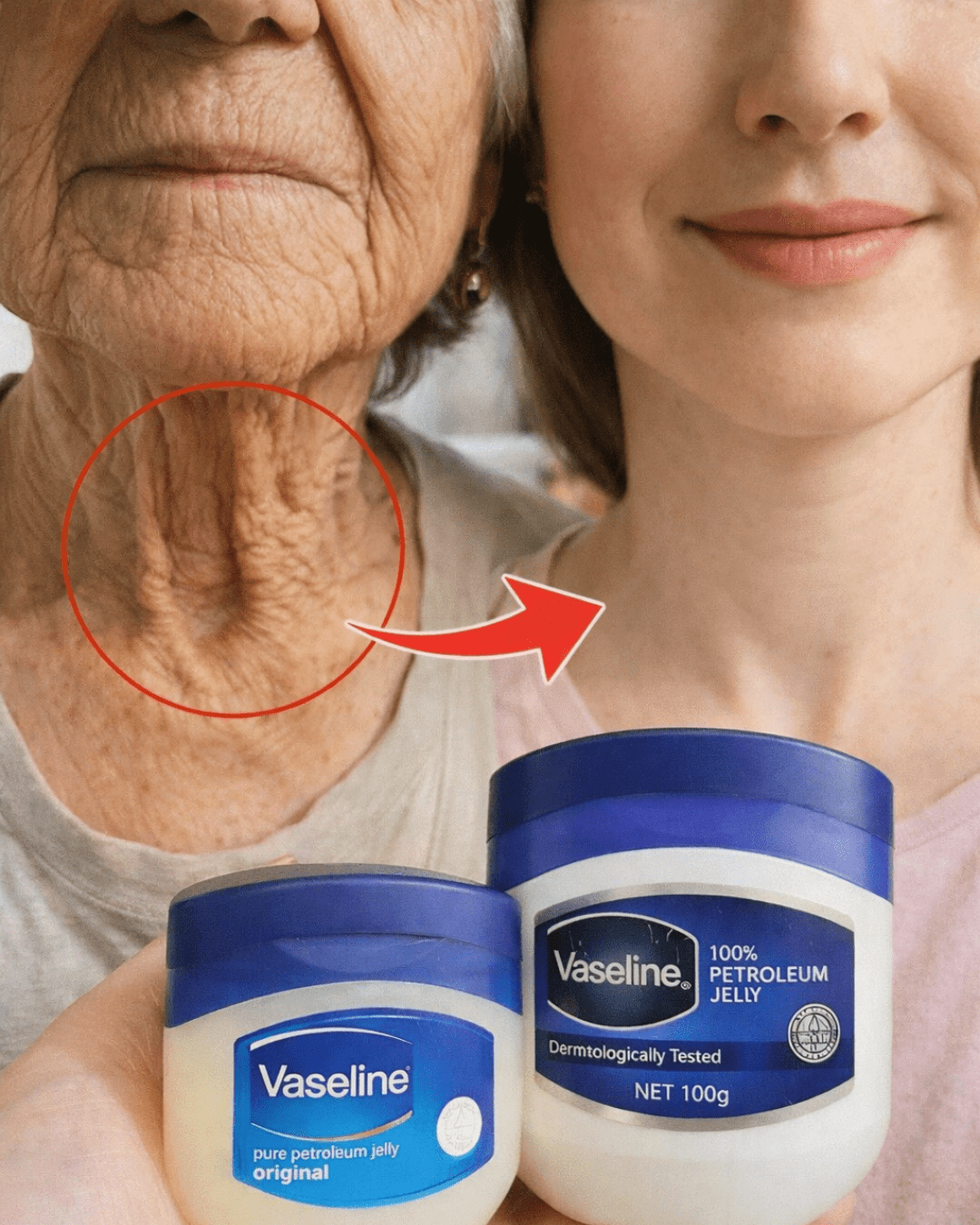
Way 6: Calm Neck and Chest Dryness
The neck often gets overlooked but can show signs of dehydration.
Massage in Vaseline upward after your serum or cream.
This supports elasticity by maintaining hydration.
Consistency is key—try it as part of your evening routine.
Way 7: Enhance Overnight Hydration (Slugging Technique)
“Slugging” involves applying a thin layer over your nighttime products.
This trend, popular in skincare communities, uses petrolatum’s occlusive properties to boost moisture retention.
Experts say it’s helpful for very dry skin, but start with 2-3 times a week.
Tips for trying it:
- Cleanse and apply actives/moisturizer first.
- Use a thin layer on face.
- Wash off in the morning.
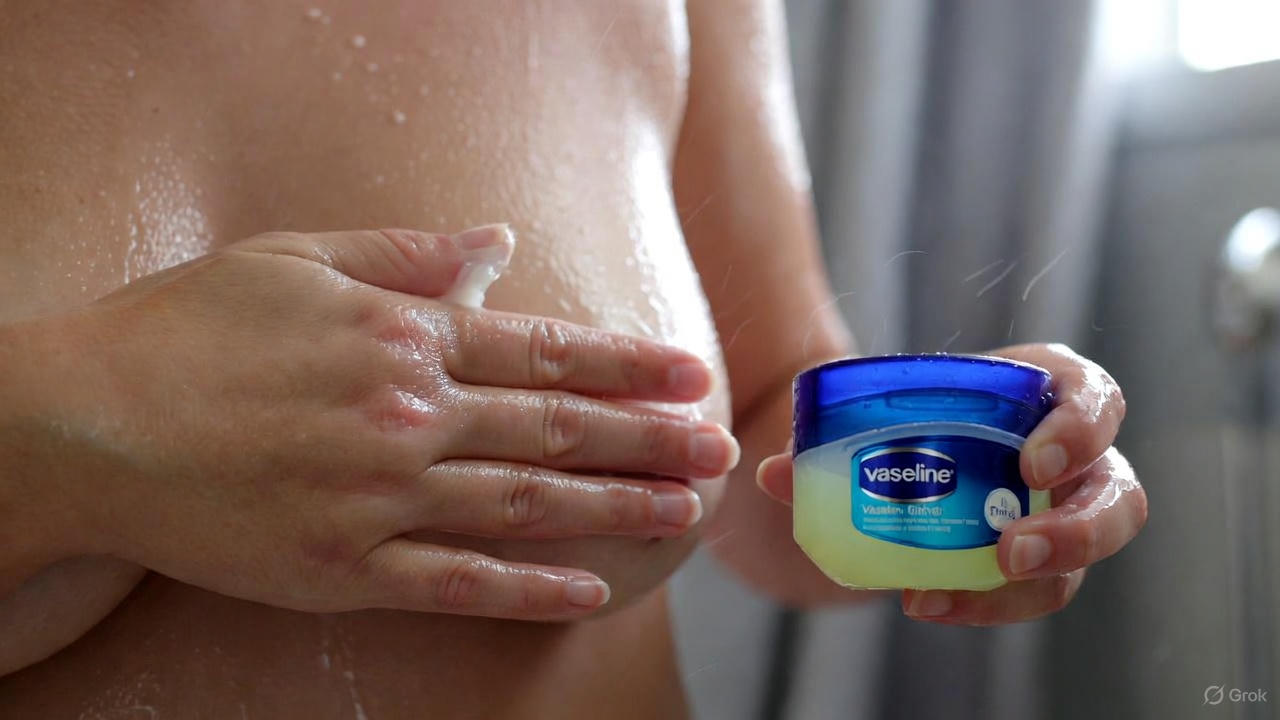
Way 8: Protect Against Chafing or Irritation
For areas prone to friction, like thighs or under arms, Vaseline creates a barrier.
It’s commonly recommended post-procedure by dermatologists.
This preventive step can reduce discomfort from daily activities.
Way 9: Support Heels and Feet
Cracked heels benefit from nightly application.
Wear socks afterward to enhance absorption.
Studies on petrolatum show improved softness in rough areas.
A relaxing foot routine can make this enjoyable.
Way 10: Use as a Gentle Makeup Remover or Highlighter Base
Dissolve makeup gently with Vaseline on a cotton pad.
Or, mix a tiny bit with cream for subtle glow on cheeks.
It’s versatile and non-irritating for most.
You’ve now explored 10 practical ways—small changes that add up.
Key Tips for Best Results
- Always patch test new uses.
- Choose pure, unscented Vaseline to minimize irritation.
- Apply on clean, slightly damp skin for optimal benefit.
- Avoid if you have acne-prone skin, as it may clog pores.
The real game-changer many overlook? Timing—applying right after cleansing or showering maximizes its moisture-sealing potential.
Conclusion
Incorporating Vaseline thoughtfully can support healthier, more hydrated skin without complexity. Start with one or two ways that fit your needs, and adjust based on how your skin responds. Hydration is foundational for comfortable, resilient skin.
Frequently Asked Questions
Is Vaseline safe for facial use?
Yes, for most people, especially those with dry skin. Dermatologists recommend it often, but those with oily or acne-prone skin may want to avoid the face to prevent potential clogging.
How often should I use it?
Daily on body areas is fine; for face, start with a few times a week and monitor.
Can it help with eczema or very dry skin?
Many studies and dermatologist guidelines support its use for dry conditions like eczema, as it helps repair the barrier.
This article is for informational purposes only and is not a substitute for professional medical advice. Consult a dermatologist or healthcare provider for personalized skincare recommendations, especially if you have skin conditions.