You reach for a quick snack after a long day, something familiar and comforting like a bag of chips or a slice of processed meat. It feels harmless in the moment, but over time, certain common foods might contribute to patterns in the body—like higher insulin levels or ongoing inflammation—that research links to increased cancer risk. The good news? Small, realistic changes to your daily choices can help shift those patterns without overhauling your entire life. And by the end of this article, you’ll discover a straightforward 7-day plan that makes starting feel surprisingly easy.
Why Everyday Food Choices Matter More Than You Might Think
Cancer risk is influenced by many factors, including genetics and environment. But large-scale studies, like those from the World Health Organization and American Cancer Society, show that lifestyle habits—especially diet—play a significant role.
Certain eating patterns can promote chronic low-level inflammation, insulin resistance, and excess body fat, all of which population research associates with higher risks for several types of cancer.
The key isn’t labeling foods as “good” or “bad.” It’s about reducing the daily load on your body.
Here’s the interesting part: many of the foods we eat regularly fall into this category without us realizing it.
The Role of Insulin and Inflammation in Daily Habits
Insulin helps regulate blood sugar, but frequent spikes from refined carbs and sugars can keep levels elevated longer than ideal.
Over years, this pattern may contribute to metabolic stress, according to reviews in journals like The Lancet Oncology.
Chronic inflammation, often fueled by ultra-processed foods and imbalances in fats, shows up in higher markers like C-reactive protein in studies.
But that doesn’t mean you need to panic. Simple swaps can lower these influences naturally.
And research suggests even modest dietary shifts can make a meaningful difference over time.
5 Common Foods Linked to Higher Cancer Risk in Research
Let’s break down five everyday items that major health organizations highlight for potential concern. We’ll focus on evidence from reputable sources, without exaggeration.
1. Processed Meats (Like Bacon, Sausages, and Deli Cuts)
The International Agency for Research on Cancer (IARC), part of WHO, classifies processed meats as Group 1 carcinogens—meaning there’s strong evidence linking high intake to colorectal cancer.
These foods often contain nitrates, high salt, and compounds formed during processing that may damage cells in the digestive tract.
Many people enjoy them daily in sandwiches or breakfasts.
Smarter swaps to consider:
- Fresh roasted chicken or turkey
- Canned wild salmon or sardines
- Plant-based options like lentil or bean patties seasoned with herbs
2. Refined Carbohydrates (White Bread, Pasta, and Pastries)
Refined grains strip away fiber, causing quicker blood sugar rises and insulin responses.
Large cohort studies, including the Nurses’ Health Study, associate high glycemic load diets with increased risks for certain cancers.
These foods are staples in many households—think morning toast or evening pasta.
Easy alternatives:
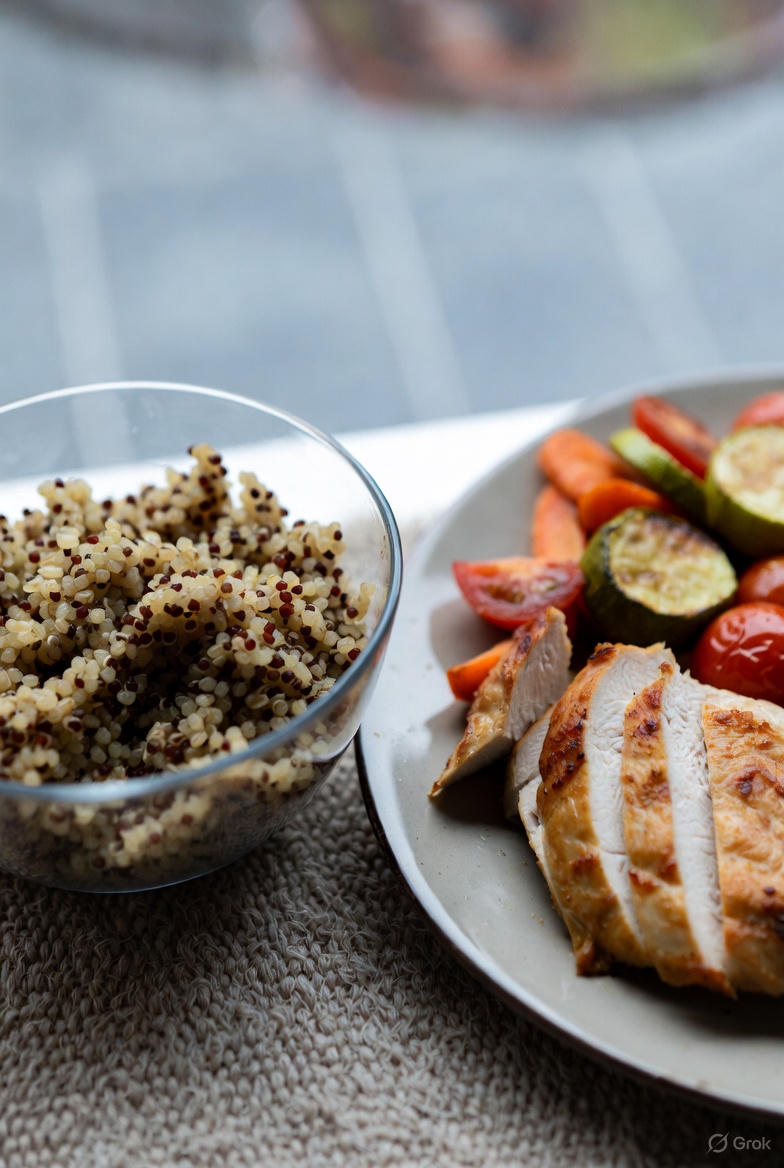
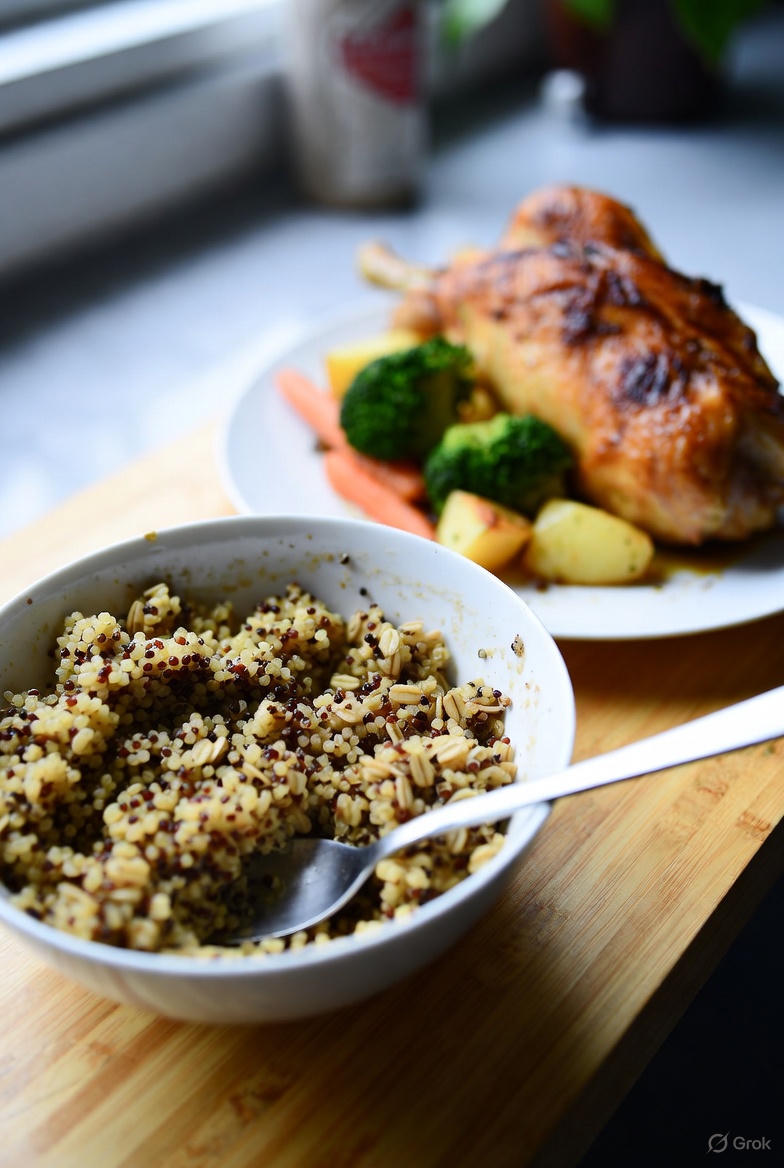
- Quinoa or barley for meals
- Cauliflower rice as a base
- Steel-cut oats for breakfast
- Sprouted grain bread occasionally
3. Added Sugars (In Drinks, Yogurts, and Snacks)
Sugary beverages and hidden sugars contribute to weight gain and insulin patterns that research ties to higher cancer risks.
The American Institute for Cancer Research notes that excess body weight is a convincing risk factor for at least 13 cancers.
Sugar shows up everywhere, from coffee drinks to “healthy” granola bars.
Better options:
- Plain sparkling water with fresh lemon
- Unsweetened yogurt topped with berries
- A small piece of 85% dark chocolate
- Herbs like cinnamon for natural sweetness
4. Industrial Seed Oils (Canola, Soybean, Sunflower)
These oils are high in omega-6 fatty acids, which can become pro-inflammatory when overconsumed or heated repeatedly.
Observational studies link higher omega-6 to omega-3 ratios with inflammation markers potentially relevant to cancer development.
They’re common in fried foods, dressings, and packaged items.
More stable choices:
- Extra-virgin olive oil for salads and low-heat cooking
- Avocado oil for higher temperatures
- Butter or ghee in small amounts, if tolerated
5. Ultra-Processed Snacks (Chips, Crackers, and Sweetened Bars)
These combine refined carbs, sugars, additives, and unhealthy fats, often leading to overeating and metabolic strain.
Meta-analyses in BMJ connect higher ultra-processed food intake with increased overall cancer risk.
They’re the go-to for late-night cravings or quick energy.
Healthier replacements:
- Handful of almonds or walnuts
- Apple slices with natural nut butter
- Hard-boiled eggs
- Veggie sticks with homemade guacamole
Quick Comparison: Common Foods vs. Simple Swaps
| Everyday Food | Why Research Flags It | Simple Swap Options |
|---|---|---|
| Processed meats | Nitrates and processing compounds | Fresh poultry, fish, or legumes |
| Refined carbs | Rapid blood sugar spikes | Quinoa, cauliflower rice, whole grains |
| Added sugars | Contributes to excess weight | Berries, dark chocolate, herbal tea |
| Seed oils | Potential oxidative stress | Olive oil, avocado oil |
| Ultra-processed snacks | Combo of sugars, fats, additives | Nuts, eggs, fresh veggies |
This table makes it easy to see patterns at a glance.
A Gentle 7-Day Plan to Start Making Changes
You don’t need perfection—just consistent small steps. Here’s a realistic week to ease in:
Day 1: Focus on drinks—swap one sugary beverage for sparkling water.
Day 2: Replace processed meat in one meal with fresh protein.
Day 3: Switch cooking oil to olive or avocado for dinner.
Day 4: Try a lower-glycemic carb like quinoa instead of pasta.
Day 5: Stock nuts and berries for snack time.
Day 6: Build one balanced plate: protein, veggies, healthy fat.
Day 7: Pick your favorite swap from the week and commit to it daily.
Many people notice steadier energy and fewer cravings within days.
Signs Your Habits Might Be Shifting in a Positive Way
Keep an eye out for these common feedback signals:
- More stable energy throughout the day
- Reduced afternoon slumps or late-night hunger
- Easier time maintaining weight without strict counting
- Better mood and digestion
- Looser clothing around the waist
These aren’t guarantees, but they’re encouraging signs from real-world experience and studies.
Final Thoughts: Small Changes Add Up Over Time
No single food causes or prevents cancer on its own. Risk is complex and individual.
But evidence from major health bodies consistently points to reducing processed foods, limiting added sugars, and choosing whole-food patterns as supportive habits.
Starting with one or two swaps gives you control without overwhelm.
The most powerful shift? Feeling empowered by doable choices that align with research.
Pick one idea today—and build from there.
Frequently Asked Questions
Can cutting out certain foods completely eliminate cancer risk?
No, cancer risk involves many factors beyond diet alone. However, research-supported habits like reducing processed items can contribute to overall healthier patterns.
How quickly might I notice benefits from these swaps?
Some people feel steadier energy or fewer cravings within a week or two, while longer-term patterns take consistent effort over months.
Are there any foods that research particularly recommends adding?
Yes—studies often highlight more vegetables, fruits, whole grains, and fiber-rich options as part of a balanced approach.
This article is for informational purposes only and is not medical advice. Please consult a healthcare professional for personalized guidance.