Many people deal with frequent seasonal discomforts, like lingering congestion or low energy during colder months. These issues can disrupt daily routines and make simple tasks feel exhausting. It’s common to reach for quick fixes, but they sometimes come with unwanted side effects that leave you feeling off-balance.
The frustration builds when these challenges persist despite efforts to stay healthy. Yet, there’s growing interest in everyday foods that may offer gentle support. One familiar kitchen staple stands out for its long history of use—and modern research is uncovering why. Keep reading to discover practical ways to incorporate it, backed by science, and a simple habit that could make a real difference.
What Makes Garlic Special: Understanding Allicin
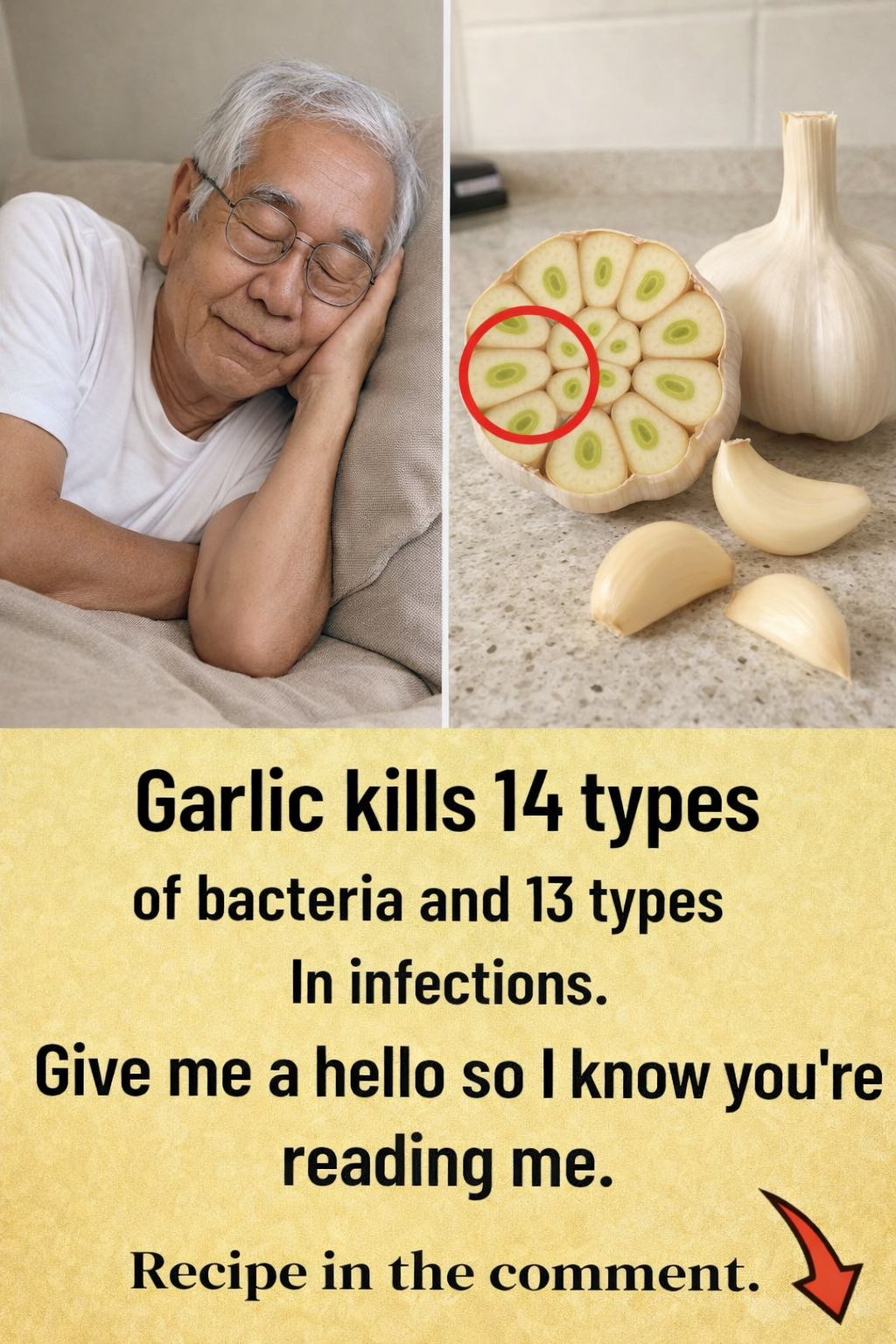
Garlic has been valued for centuries across cultures for its unique properties. When you crush or chop a fresh clove, a natural reaction occurs between a compound called alliin and an enzyme called alliinase.
This process forms allicin, a sulfur-containing compound responsible for garlic’s distinctive aroma. Research, including studies published in Microbes and Infection, suggests allicin interacts with certain bacterial enzymes, potentially supporting the body’s natural defenses.
But that’s not all—garlic contains other beneficial organosulfur compounds too. The key is preparing it properly to maximize these natural elements.
Research Insights: Garlic Compounds and Common Bacteria
Lab studies have explored how garlic extracts, particularly those rich in allicin, interact with various bacteria in controlled settings. Reviews in Frontiers in Microbiology and other journals highlight activity against both Gram-positive and Gram-negative strains.
Here’s a summary of some bacteria commonly studied:
| Bacteria | Common Associations | Research Notes on Garlic Compounds |
|---|---|---|
| Escherichia coli (E. coli) | Digestive discomfort, urinary issues | Shown to disrupt cell processes in lab tests |
| Salmonella | Stomach upset, food-related issues | May inhibit growth and toxin effects |
| Staphylococcus aureus (including resistant strains) | Skin issues, respiratory concerns | Activity against tough strains noted |
| Streptococcus | Throat discomfort | Potential to interfere with replication |
| Helicobacter pylori | Gut inflammation | Targets protective layers in studies |
| Pseudomonas aeruginosa | Hospital-acquired concerns | Overcomes outer barriers in vitro |
| Klebsiella pneumoniae | Lung and bloodstream issues | Reduces formation of protective films |
These findings come from in vitro research and reviews like those in PMC articles. Garlic may offer supportive roles, but it’s not a substitute for professional care.
Interesting, right? Studies also suggest broader effects beyond bacteria.
Additional Ways Garlic May Support Wellness
Beyond its studied interactions with microbes, garlic has been linked to several areas of health in human and lab research. Here’s a look at some evidence-based possibilities:
- Antioxidant Support: Compounds in garlic may help boost natural defenses against oxidative stress, as noted in the Journal of Nutrition.
- Heart Health Insights: Meta-analyses indicate potential benefits for blood pressure and cholesterol balance in certain populations.
- Immune Boost: One study found reduced duration of common seasonal issues with regular intake.
- Gut Comfort: Prebiotic-like effects could promote beneficial bacteria.
- Circulation: Improved blood flow observed in some trials.
- Anti-Inflammatory Potential: Calms markers of inflammation per Phytotherapy Research.
More research is ongoing, but these areas show promise.
Simple Steps to Prepare Garlic for Maximum Potential
To get the most from fresh garlic’s compounds, timing matters. Here’s an easy 3-step guide based on scientific tips:
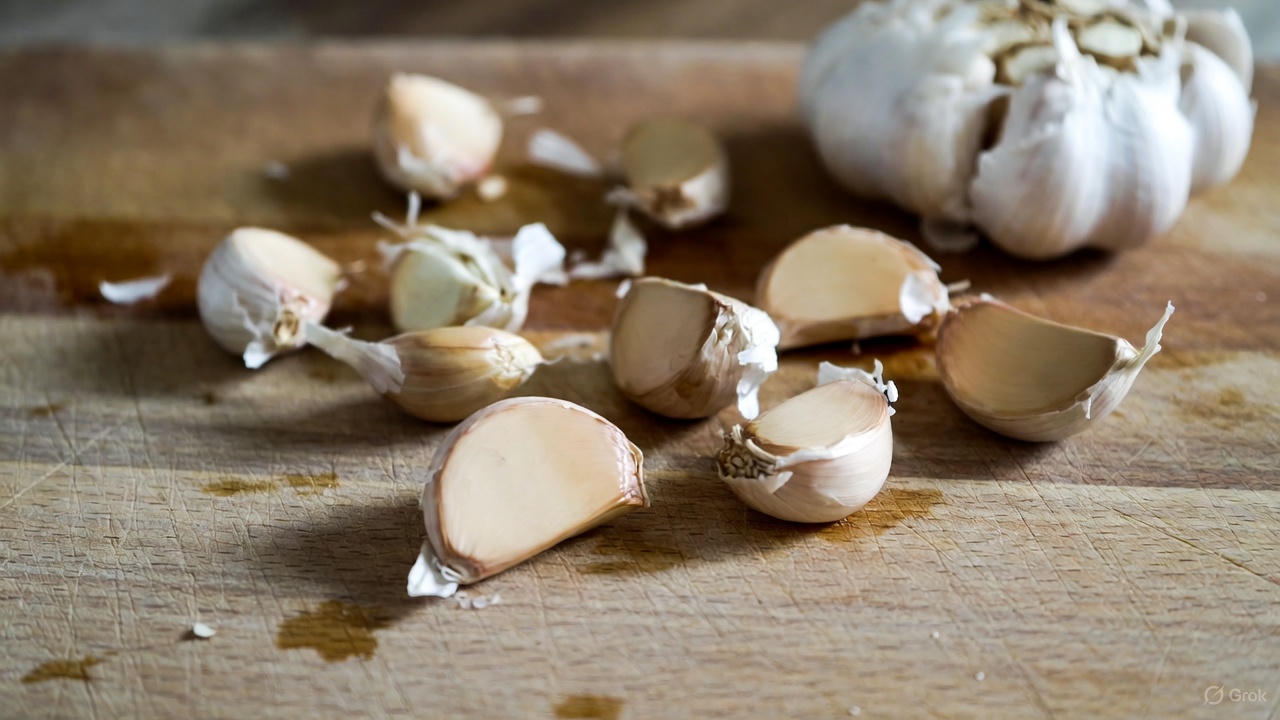
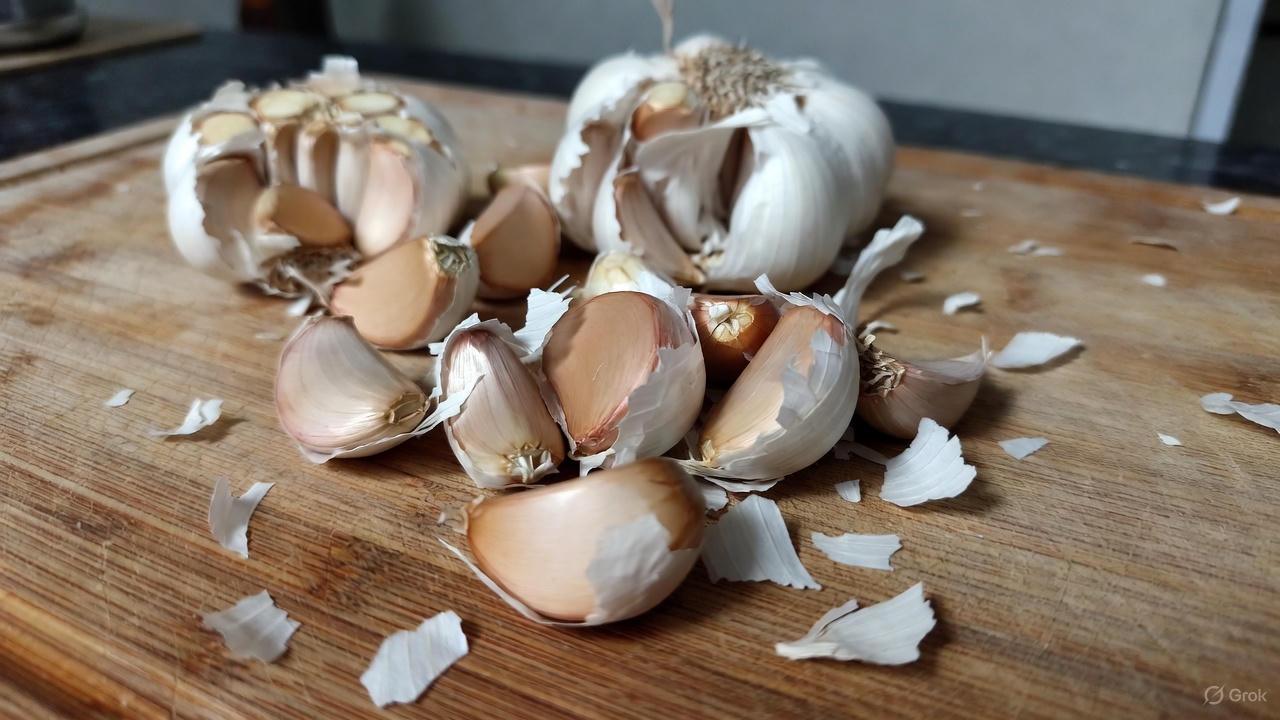
- Peel and finely crush or chop 1-2 cloves – This activates the enzyme reaction.
- Let it sit for 10-15 minutes at room temperature – Allows peak allicin formation before any heat or acid is added.
- Consume raw or add to dishes at low heat – Avoid high temperatures that deactivate certain compounds.
Pro tip: Cooking gently preserves other beneficial sulfurs even if allicin reduces.
Delicious Ideas to Add Garlic to Your Routine
Worried about the strong taste or breath? These tasty options make it enjoyable:
- Mix crushed garlic with honey and a splash of lemon for a soothing elixir.
- Blend into yogurt with herbs for a fresh dip.
- Stir into homemade salsa or dressings for salads.
- Add to warm (not boiling) tea with ginger.
- Top avocado toast or lightly cooked veggies.
For breath concerns, follow with parsley, apple, or mint.
Building a Gentle Garlic Habit: A 30-Day Approach
Start slow to let your body adjust:
Week 1: One clove daily, perhaps in honey.
Week 2: Add to lunches, like on toast.
Week 3: Increase to two cloves, in dinners.
Week 4: Make it a daily staple.
Many people notice easier adaptation over time.
Things to Consider for Safe Enjoyment
Garlic is generally well-tolerated in food amounts, but keep these in mind:
- If on blood-thinning medications, consult your doctor due to mild effects.
- Start small if you have a sensitive stomach.
- Avoid high doses before surgery.
- Pregnant or breastfeeding? Culinary use is typically fine.
Always prioritize fresh over supplements for consistency, and discuss changes with a healthcare provider.
Frequently Asked Questions
How much garlic should I start with daily?
Begin with 1-2 fresh cloves, prepared as described. Adjust based on tolerance.
Can I cook garlic and still get benefits?
Yes—cooking shifts to other stable compounds, though raw maximizes allicin potential.
Is garlic safe for everyone?
Most enjoy it in meals, but those with conditions or on meds should check with a professional.
Final Thoughts
Exploring garlic’s natural compounds through simple habits can be a rewarding addition to wellness routines. From lab insights on microbial interactions to potential heart and immune support, it’s a versatile food worth considering.
Tonight, try crushing a clove, waiting 10 minutes, and mixing with honey. Small steps like this, informed by research, may offer meaningful everyday support.
This article is for informational purposes only and is not intended as medical advice. Always consult your healthcare provider before making dietary changes, especially if you have health conditions or take medications.