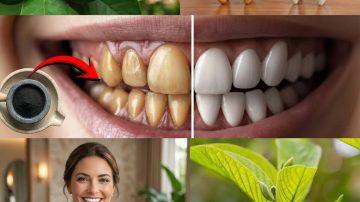
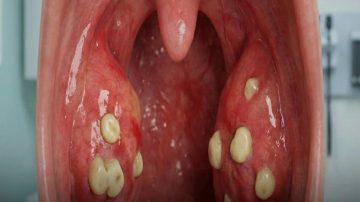
Many adults face everyday challenges like occasional skin concerns, fluctuating energy levels, or the need for natural immune support as they navigate busy lives. These issues can feel frustrating when standard routines don’t fully address them, leaving you searching for gentle, traditional options that align with overall wellness.
Neem (Azadirachta indica), a tree long valued in Ayurvedic traditions, has been explored in modern research for its potential supportive properties. But here’s the intriguing part: we’ll uncover practical ways to incorporate it safely, backed by studies, and reveal a simple tip at the end that could make it even more approachable.

Why Neem Has Been a Staple in Traditional Wellness
For centuries, neem leaves have been used in India and other regions as part of daily habits to promote general health. Known for their bitter taste and rich compounds like azadirachtin, nimbin, and quercetin, neem parts—including leaves—offer antioxidant and anti-inflammatory effects.
Research, including a review in Current Medicinal Chemistry – Anticancer Agents, highlights neem’s immunomodulatory, anti-inflammatory, and antioxidant activities. These properties make it a popular choice for those seeking natural ways to support their body’s balance.
But that’s just the beginning…
How Neem May Support Healthy, Glowing Skin
Skin reflects inner health, and factors like stress or environment can lead to occasional breakouts or dullness.
Studies suggest neem’s antibacterial and anti-inflammatory compounds may help maintain clear skin. For instance, topical or traditional use of neem has shown promise in supporting skin conditions like acne or eczema, as noted in dermatology reviews.
Many people incorporate neem by chewing a fresh leaf or using it in teas, reporting a natural glow over time.
Here’s a quick comparison of traditional vs. modern insights:
| Aspect | Traditional Use | Modern Research Insight |
|---|---|---|
| Skin Clarity | Blood purification for radiance | Antibacterial effects against common bacteria |
| Inflammation | Soothing irritated skin | Anti-inflammatory compounds like nimbidin |
| Daily Habit | Chewing leaves | Antioxidant support for overall skin health |
Neem’s Role in Supporting Stable Blood Sugar Levels
Maintaining steady energy throughout the day is key, especially with modern diets.
Preliminary studies indicate neem may help with blood sugar management. A review in Evidence-Based Complementary and Alternative Medicine points to antihyperglycemic properties, potentially aiding glucose metabolism.
In traditional practices, a small amount of neem leaf is added to routines for metabolic balance—but always monitor levels if you have concerns.
This isn’t all there is…
Boosting Everyday Immunity and Resilience
A strong immune response helps you handle seasonal changes or daily exposures.
Neem has been studied for its immunomodulatory effects, potentially enhancing the body’s natural defenses. Research in the International Journal of Immunopharmacology supports this through compounds that stimulate immune activity.
Whether through tea or a chewed leaf, many find it a gentle way to stay resilient.
Gentle Support for Liver Health and Detoxification
The liver plays a vital role in processing toxins and maintaining energy.
Animal studies, such as those in hepatology journals, suggest neem’s hepatoprotective effects, helping protect liver cells from oxidative stress.
This aligns with its traditional use as a natural detoxifier, promoting overall vitality.
Additional Ways Neem May Contribute to Wellness
- Oral Health: Chewing neem twigs or using leaf extracts traditionally supports gum health and reduces plaque, backed by periodontal studies.
- Digestive Comfort: Anti-ulcer properties may soothe the stomach lining.
- Antioxidant Boost: Helps combat free radicals for general well-being.
But the real value comes from consistent, moderate use.
Practical Tips: How to Safely Incorporate One Neem Leaf Daily
Start small to experience potential benefits without overwhelm.
Here are actionable steps:
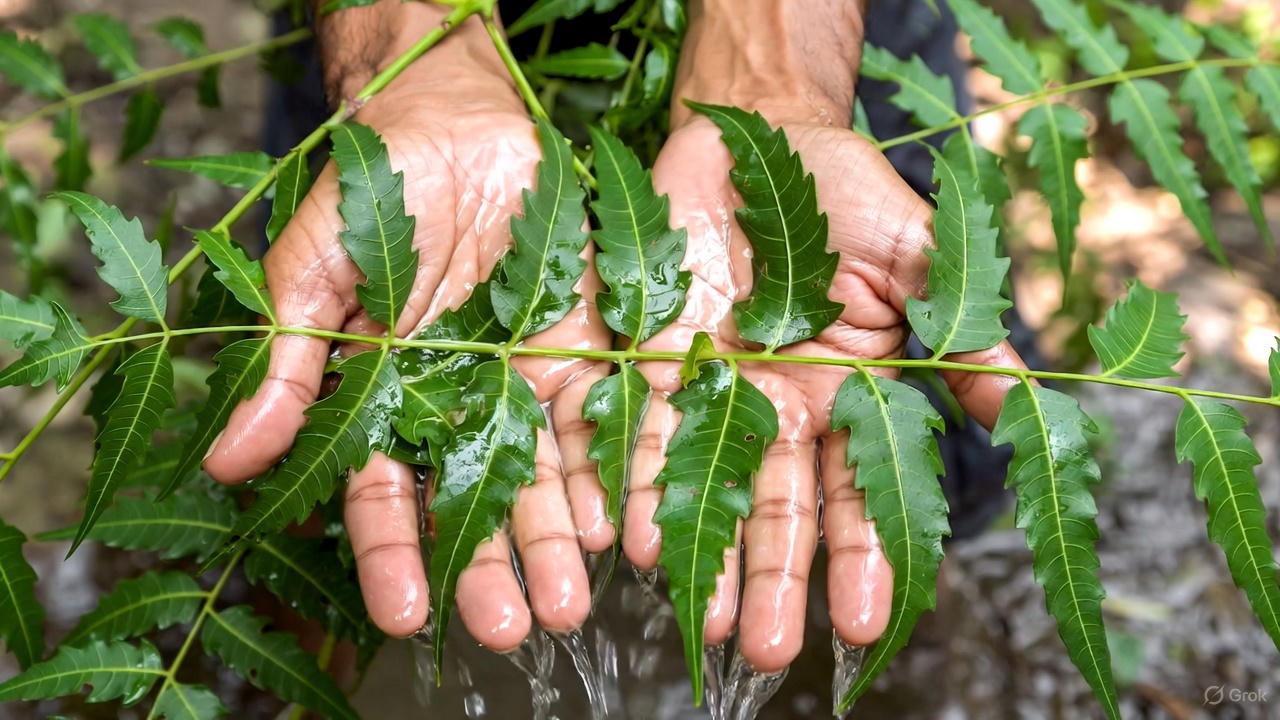
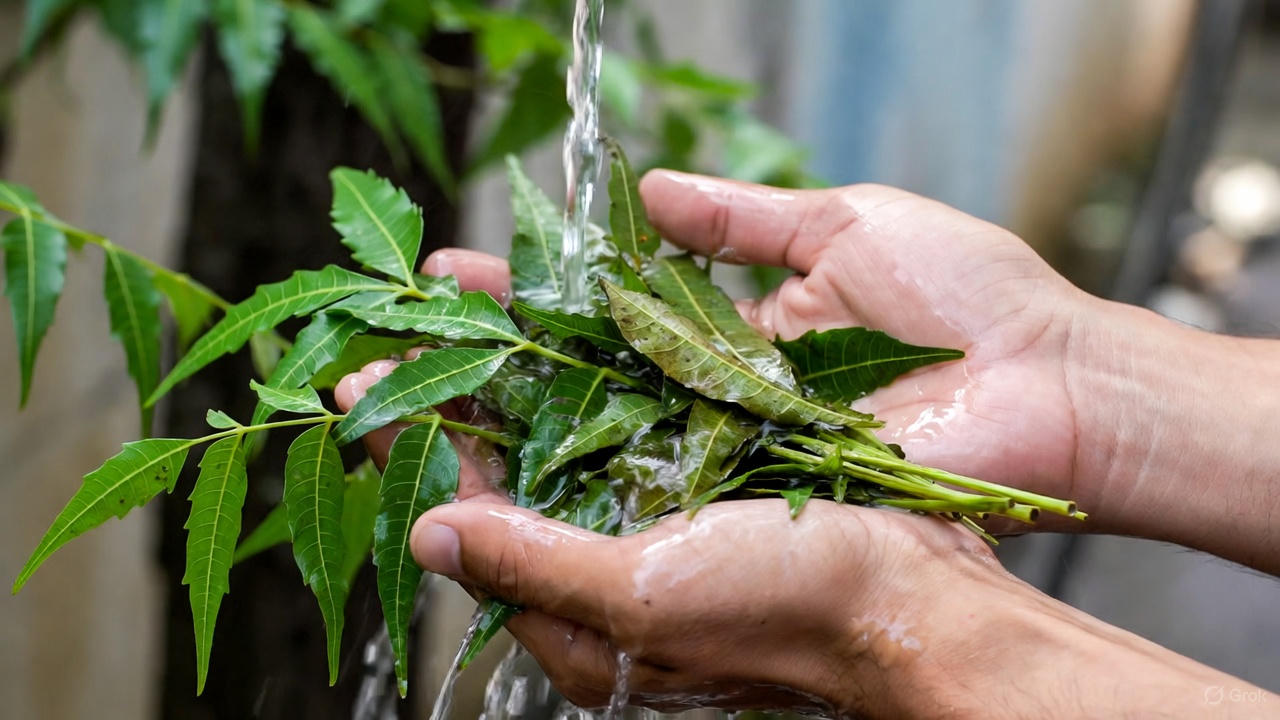
- Wash 1-2 fresh, organic neem leaves thoroughly.
- Chew one leaf slowly in the morning, followed by water to ease bitterness.
- Alternatively, boil 4-5 leaves in water for 5-10 minutes, strain, and sip as tea (add honey if needed).
- For dried leaves: Use 1/4 teaspoon powder in warm water.
- Begin with 1 leaf daily for a week, observing how you feel.
Pro tip: Pair with lemon water afterward to balance the taste—many find this enhances enjoyment.
Consistency matters, but listen to your body.
Potential Considerations and Safety Notes
Neem is generally well-tolerated in small amounts, but research shows higher doses may cause side effects like stomach upset or, rarely, liver/kidney strain.
It’s not suitable for everyone—avoid if pregnant, breastfeeding, trying to conceive, or on certain medications (e.g., blood sugar or immune-suppressing drugs), as it may interact.
Children and those with autoimmune conditions should consult a professional first.
Studies emphasize moderation: 1-2 leaves or equivalent daily appears safe for most adults.
Wrapping Up: A Gentle Addition to Your Wellness Journey
Exploring neem through one simple leaf could offer supportive benefits for skin, blood sugar stability, immunity, and more—rooted in tradition and emerging research.
Thousands incorporate it daily for natural balance, but results vary. Start mindfully, track your experience, and pair with a healthy lifestyle.
The unexpected twist? Many who stick with it report not just physical perks, but a renewed sense of vitality from this ancient habit.
Frequently Asked Questions
1. How many neem leaves can I safely consume daily?
Most sources suggest starting with 1-2 fresh leaves or equivalent extract. Consult a healthcare provider for personalized advice.
2. Can neem help with occasional skin breakouts?
Traditional use and some studies support its antibacterial properties for skin health, but it’s not a substitute for medical treatment.
3. Is neem safe for long-term use?
In moderation, yes for many—but regular check-ins with a doctor are recommended, especially if you have health conditions.
This article is for informational purposes only and is not intended as medical advice. Always consult your healthcare provider before starting any new wellness practice, especially if you have existing conditions or take medications. Research on neem is promising but ongoing.