Many adults notice subtle changes like lingering tiredness or occasional swelling as they get older, and these can sometimes relate to how well the kidneys are filtering waste. One common marker doctors check is creatinine, and certain everyday foods can influence those levels more than people realize. The good news is that small adjustments to your snack choices can make a meaningful difference. Keep reading to discover three nuts worth limiting and three gentler alternatives that research suggests may support kidney function better.

Why Some Nuts Can Add Extra Work for Your Kidneys
Nuts are generally nutritious, packed with healthy fats, protein, and fiber. However, for people monitoring kidney health—especially those with reduced kidney function—certain nuts contain higher amounts of phosphorus, potassium, or oxalates. These compounds are natural and safe in moderation for most people, but when kidneys aren’t clearing them efficiently, they can build up and add strain.
Research from organizations like the National Kidney Foundation notes that managing intake of these minerals can help maintain steadier creatinine levels. The key is balance, not complete elimination. Let’s look at three nuts that often appear on “limit” lists for kidney-conscious eaters.
Nut #1: Cashews – The Phosphorus Powerhouse
Cashews are creamy and delicious, but they’re naturally rich in phosphorus. A one-ounce serving (about 18 cashews) provides around 150 mg of phosphorus—nearly 15-20% of the daily amount many kidney experts recommend keeping under for those with concerns.
Studies, including those published in the Clinical Journal of the American Society of Nephrology, show that excess phosphorus can contribute to mineral buildup over time. Many people enjoy cashews daily without realizing this hidden load. If cashews are your go-to snack, consider cutting back to occasional small portions.
But that’s not the only nut worth rethinking…
Nut #2: Almonds – High in Potassium
Almonds are often praised as a superfood, and they do offer vitamin E and magnesium. Yet a one-ounce serving contains roughly 200 mg of potassium, which can add up quickly if you eat larger handfuls.
The National Kidney Foundation highlights that high potassium intake can be challenging when kidney function is lower, potentially affecting heart rhythm and energy levels. A 2022 review noted this concern especially for older adults. Switching to lower-potassium options can feel lighter on the system.
Here’s the part that surprises many readers…
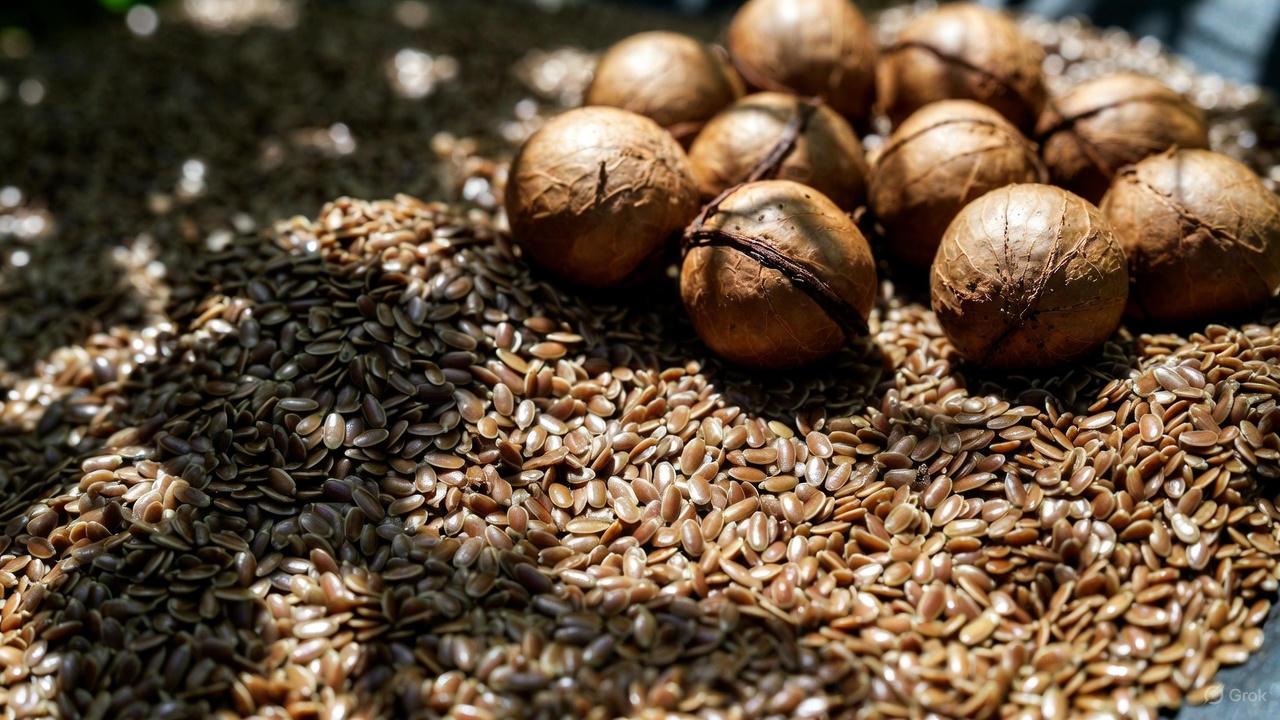
Nut #3: Chestnuts – Oxalate and Carb Considerations
Roasted chestnuts feel like a cozy treat, especially during cooler months. However, they contain notable oxalates and higher carbohydrates compared to other nuts.
Mayo Clinic resources explain that oxalates can contribute to kidney stone formation in susceptible individuals. Plus, the extra starch means kidneys work harder to process the resulting load. Limiting chestnuts to rare occasions helps many feel more comfortable.
Now that we’ve covered the three to limit, let’s move to smarter swaps backed by science.
3 Kidney-Friendly Nut and Seed Alternatives Worth Trying
Choosing nuts lower in phosphorus, potassium, and oxalates can give you the satisfaction of a crunchy snack without the same concerns. Here are three options that studies and kidney health guidelines often highlight as gentler choices.
Alternative #1: Flax Seeds – Fiber and Omega-3 Support
Ground flax seeds stand out for their soluble fiber and plant-based omega-3s. A 2020 study in Renal Failure observed improvements in urea and creatinine levels among participants adding flax to their routine over 12 weeks.
The fiber helps bind waste for smoother elimination, while anti-inflammatory ALA (alpha-linolenic acid) may protect kidney tissue. Start with 1-2 tablespoons ground flax in yogurt or oatmeal—easy and versatile.
This is where many notice the biggest difference…
Alternative #2: Macadamia Nuts – Low in Key Minerals
Macadamias are uniquely low in both potassium (about 100-120 mg per ounce) and phosphorus, making them a top pick in many kidney-friendly snack guides, including Healthline recommendations.
They’re rich in monounsaturated fats similar to olive oil, which support heart health without overloading electrolytes. Enjoy 5-7 macadamias as a satisfying portion—creamy texture with fewer worries.
But wait until you hear about the third option…
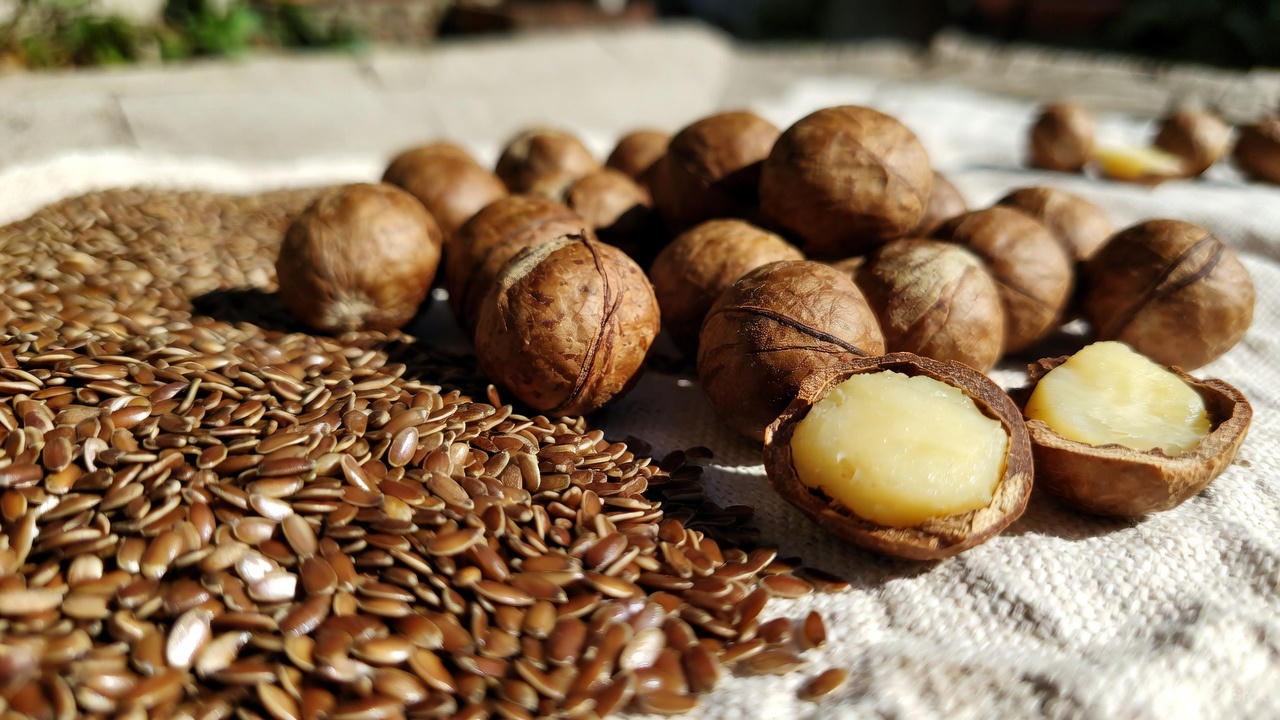
Alternative #3: Walnuts – Antioxidant and Moderate Mineral Profile
Walnuts provide plant omega-3s and polyphenols that research links to reduced inflammation markers. An American Journal of Clinical Nutrition study found regular walnut intake associated with lower C-reactive protein levels.
They also have more moderate potassium and phosphorus compared to almonds or cashews. Aim for 4-6 halves a few times per week. Soaking overnight can make them easier to digest.
Quick Comparison: Nuts to Limit vs. Gentler Choices
| Nut/Seed | Approx. Phosphorus (per oz) | Approx. Potassium (per oz) | Key Consideration | Suggested Serving |
|---|---|---|---|---|
| Cashews | 150 mg | 180 mg | Higher phosphorus | Limit or avoid frequent use |
| Almonds | 130 mg | 200 mg | Higher potassium | Small portions occasionally |
| Chestnuts | Varies (higher oxalates) | Varies | Oxalate and carb load | Rare treat |
| Flax Seeds (1 tbsp ground) | 60 mg | 80 mg | Fiber and omega-3 benefits | 1-2 tbsp daily |
| Macadamia Nuts | 50 mg | 100 mg | Very low in both minerals | 5-7 nuts |
| Walnuts | 100 mg | 125 mg | Antioxidants, moderate minerals | 4-6 halves |
Simple Tips to Make the Switch Today
Ready to try these changes? Here’s an actionable plan:
- Start small: Replace one usual nut snack per day with a gentler option.
- Measure portions: Use a small bowl or buy pre-portioned packs to avoid overeating.
- Add variety: Mix flax into smoothies, sprinkle macadamias on salads, or enjoy walnuts with fruit.
- Track how you feel: Note energy and comfort levels after a week or two.
- Stay hydrated: Water helps kidneys process everything more efficiently.
Most people notice subtle improvements in energy within a few weeks of consistent swaps.
Final Thoughts: Small Changes, Meaningful Support
Making informed choices about nuts and seeds can be a simple way to support your kidney health alongside other healthy habits like balanced meals and regular check-ups. Flax seeds, macadamias, and walnuts offer delicious alternatives that align better with kidney-conscious eating.
Remember, everyone’s body is different—what works well for one person might vary for another. Always discuss dietary changes with your healthcare provider, especially if you have existing kidney concerns.
Frequently Asked Questions
Can I still eat the nuts I should limit?
Yes, in very small amounts occasionally. Moderation is key for most people.
How much is a safe daily portion for kidney-friendly nuts?
Generally 1 ounce (a small handful) or the serving sizes mentioned above, but follow your doctor’s specific guidance.
Do these swaps guarantee lower creatinine?
No single food guarantees results. These choices may help reduce dietary strain when part of an overall kidney-supportive lifestyle.
This article is for informational purposes only and is not medical advice. Please consult your healthcare professional before making dietary changes, especially if you have kidney disease or other health conditions.