Many adults over 60 experience occasional joint stiffness, digestive slowdown, or dry skin as part of getting older. These common issues can make mornings feel tougher or daily activities less enjoyable. It’s frustrating when simple things like bending down or getting a good night’s rest become challenging.
The good news is that some people find relief from natural routines passed down through generations. One such practice involves using castor oil topically in the form of packs—a simple method that has been around for centuries.
But here’s the intriguing part: while most reach for over-the-counter options, a growing number of seniors are rediscovering this old-school habit and sharing their experiences. Keep reading to learn more about what research says and how others are incorporating it into their evenings—you might find a gentle tip worth trying yourself.

Why Comfort Changes After 60: Understanding Common Experiences
As we age, the body goes through natural shifts. Many adults notice more stiffness in joints upon waking, slower digestion, or drier skin. These aren’t unusual—studies show that a large percentage of people over 65 deal with at least one ongoing issue related to inflammation or mobility.
Research indicates that low-grade inflammation can play a role in these age-related changes. For instance, joints may feel less flexible, or the gut might not move as smoothly. This can lead to relying on creams, supplements, or medications that sometimes come with side effects.
That’s where traditional remedies come in. People have long turned to natural oils for soothing support, and castor oil is one that’s been used topically for generations.
But that’s not all—let’s look at what makes castor oil unique.
What Is a Castor Oil Pack and Why Do People Use It?
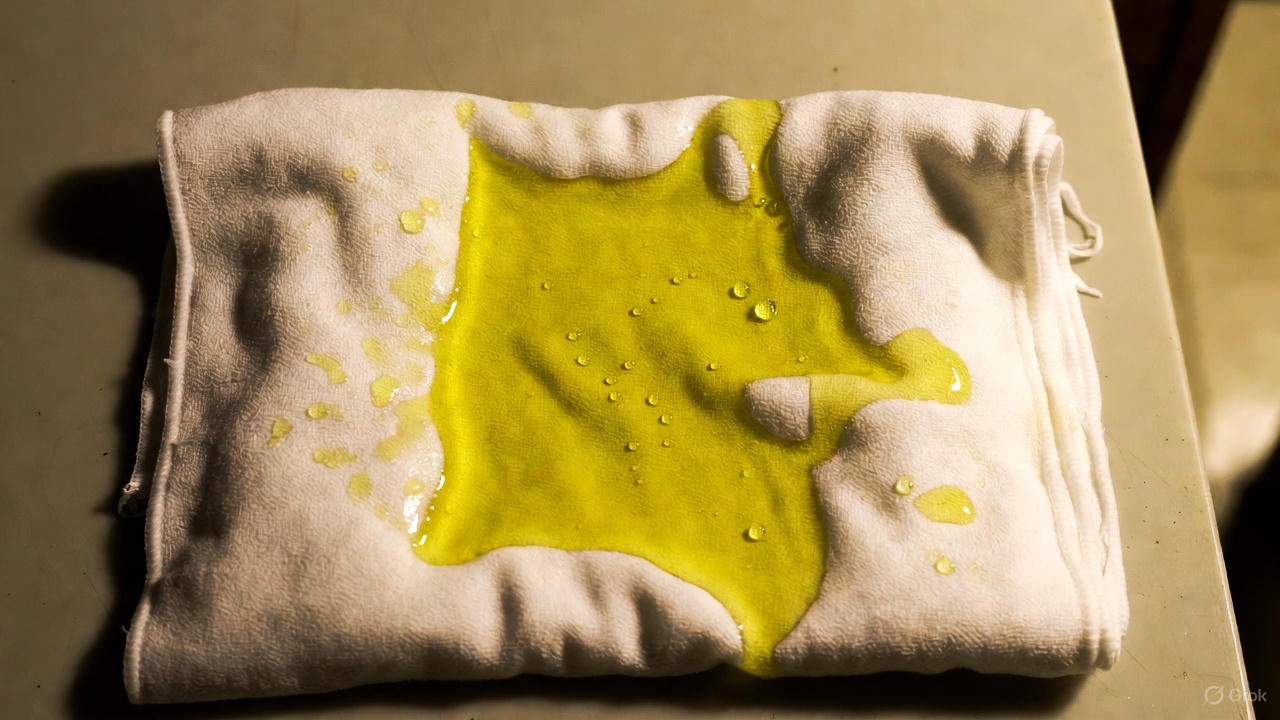
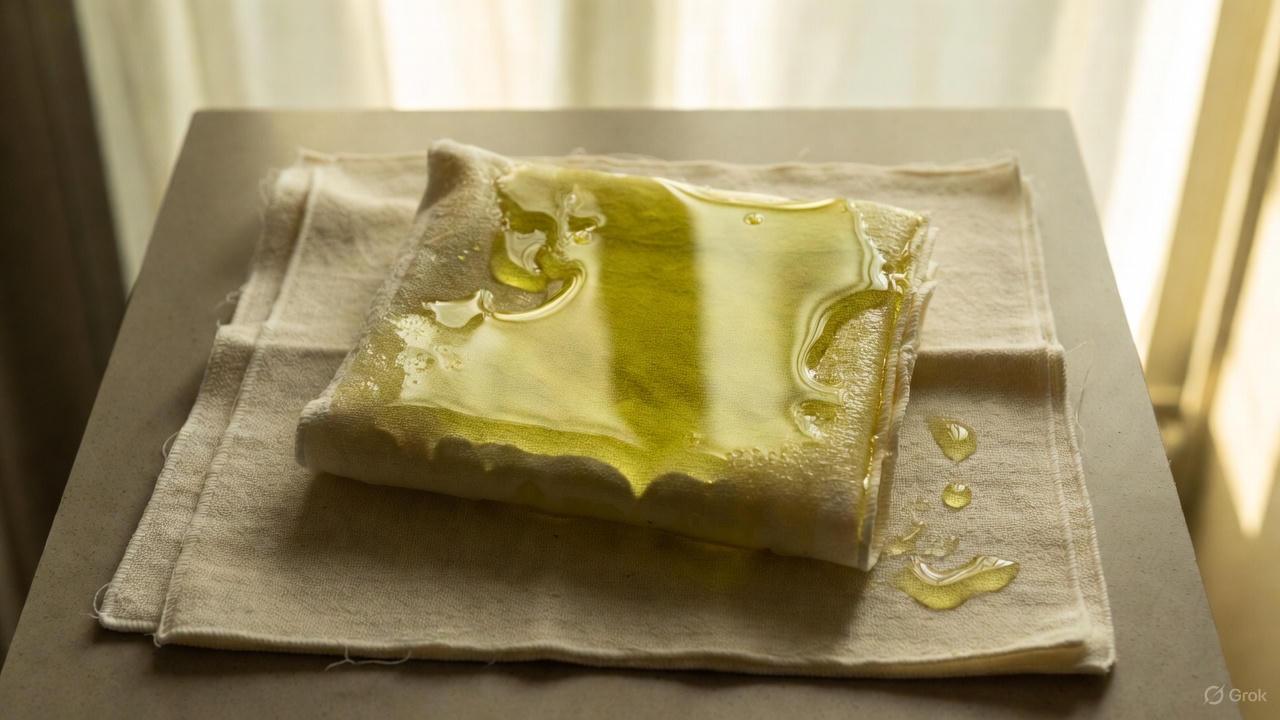
A castor oil pack is simply a cloth soaked in castor oil, applied to the skin (often over the abdomen or joints), and covered for a period of time. It’s a relaxing ritual many do in the evening.
Castor oil comes from the seeds of the Ricinus communis plant and is rich in ricinoleic acid, a fatty acid known for its soothing properties when applied to the skin. Studies, including animal research, suggest ricinoleic acid may help calm inflammation and discomfort.
Here’s a quick comparison of common issues and traditional approaches:
| Common Experience After 60 | Typical Options People Try | Traditional Castor Oil Pack Approach |
|---|---|---|
| Morning joint stiffness | Over-the-counter creams or pills | Topical application for soothing warmth |
| Occasional constipation | Laxatives or fiber supplements | Abdominal pack to support relaxation |
| Dry or itchy skin | Moisturizers | Natural fatty acids for hydration |
| General discomfort | Pain relievers | Gentle ritual for overall calm |
Many report feeling more relaxed after trying packs consistently.
This is the part that’s interesting: small studies have explored specific uses.
What Research Says About Topical Castor Oil
While more large-scale studies are needed, some research highlights potential benefits of topical castor oil:
- For occasional constipation: A small study on elderly participants found that abdominal castor oil packs helped reduce straining and improve comfort during bowel movements.
- For joint comfort: Animal studies and preliminary research show ricinoleic acid’s calming effects on inflammation. One review notes it may soothe pain similar to known anti-inflammatory agents.
- For skin hydration: The oil’s fatty acids act as a natural moisturizer, helping lock in moisture when applied topically.
- General relaxation: The warmth from a pack can promote a sense of calm, potentially aiding better sleep.
Research also points to castor oil’s safety for most topical uses, with fewer side effects compared to some medications in certain trials.
You’re already halfway through—here are some practical ways people incorporate it.
How to Make and Use a Castor Oil Pack: Step-by-Step Guide
If you’re curious, here’s a simple way many try it at home:
- Choose high-quality, cold-pressed, hexane-free castor oil (organic if possible).
- Cut a piece of cotton or wool flannel to fit the area (like abdomen or knees).
- Warm 2–3 tablespoons of oil slightly (not hot).
- Soak the flannel in the oil and place it on your skin.
- Cover with plastic wrap and a towel or heating pad for gentle warmth.
- Relax for 30–60 minutes, perhaps while reading or watching TV.
- Wipe off excess oil afterward—no need to shower immediately.
Many start with the liver area (right side under ribs) or directly on joints.
- Do it 3–4 times a week for consistency.
- Add a few drops of lavender essential oil for extra relaxation.
- Store the pack in the fridge between uses.
Always patch-test first to check for skin sensitivity.
But wait, there’s more to keeping readers engaged…
Additional Ways People Use Castor Oil Topically
Beyond packs, here are other common applications:
- Direct rub for joints: Gently massage a small amount into knees or hands before bed.
- For dry skin: Apply a thin layer to elbows, heels, or face as a night moisturizer.
- Scalp support: Some rub it in for hydration and shine.
These are easy additions to a nightly routine.
The truth is, individual experiences vary, but many find it a soothing habit.
Real Experiences and Tips from Users
Anecdotal reports from seniors often mention feeling looser in the mornings or more regular digestion after a few weeks. One small study echoed this for constipation relief.
Tips for best results:
- Be consistent—try for at least 2–4 weeks.
- Combine with gentle movement, like walking.
- Stay hydrated and eat fiber-rich foods.
You’re in the dedicated group who read this far—here’s a summary.
Wrapping It Up: Is a Castor Oil Pack Worth Exploring?
Castor oil packs offer a gentle, traditional way many seniors support daily comfort, from joint ease to better relaxation. While research is promising in areas like inflammation soothing and constipation relief, it’s not a one-size-fits-all solution.
Starting small and listening to your body is key. Many appreciate its natural, low-cost approach as part of a wellness routine.
If you’re dealing with ongoing issues, combining this with healthy habits—like balanced meals and light exercise—can make a difference.
Frequently Asked Questions
1. How often should I use a castor oil pack?
Most people try 3–5 times per week, for 30–60 minutes each session.
2. Can anyone use castor oil topically?
It’s generally safe for skin application, but do a patch test. Avoid if you have open wounds or allergies.
3. Where’s the best place to apply the pack?
Common spots are the abdomen (over liver) for general support or directly on joints for targeted comfort.
Disclaimer: This article is for informational purposes only and is not medical advice. Castor oil packs are a traditional remedy and not intended to diagnose, treat, or cure any condition. Always consult your healthcare provider before trying new routines, especially if you have health concerns or take medications.