Many people struggle with maintaining steady energy levels throughout the day while dealing with occasional discomfort from inflammation or poor circulation. The constant fatigue, joint stiffness, or worries about blood sugar fluctuations can make everyday activities feel overwhelming and disrupt your overall sense of well-being. It’s frustrating when modern lifestyles contribute to these issues, leaving you searching for gentle, natural ways to feel more balanced. But what if a simple, ancient remedy could offer surprising support—and there’s one unexpected way to use it that most people overlook until they try it for themselves?
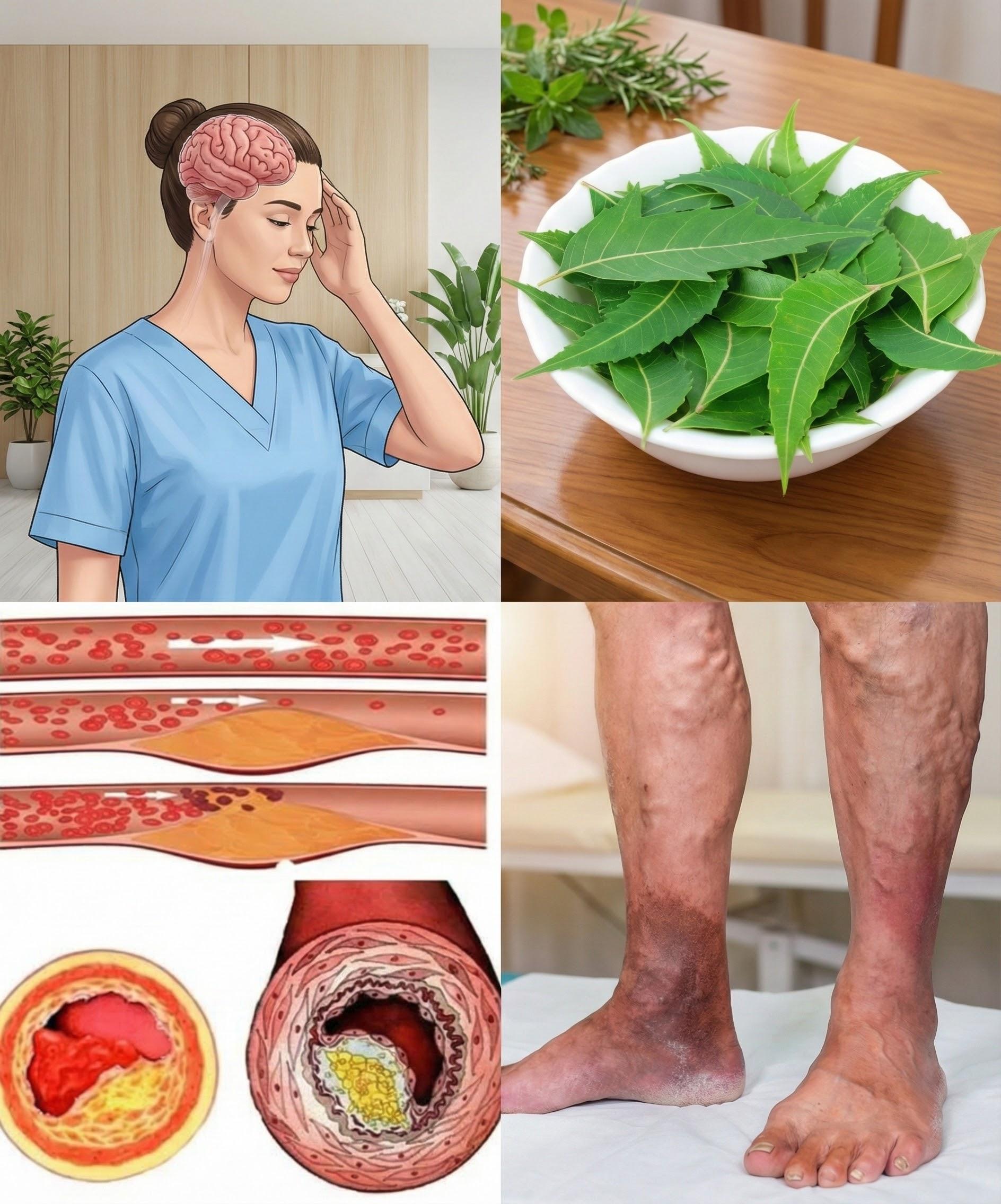
What Are Neem Leaves and Why Are They Valued in Traditional Wellness?
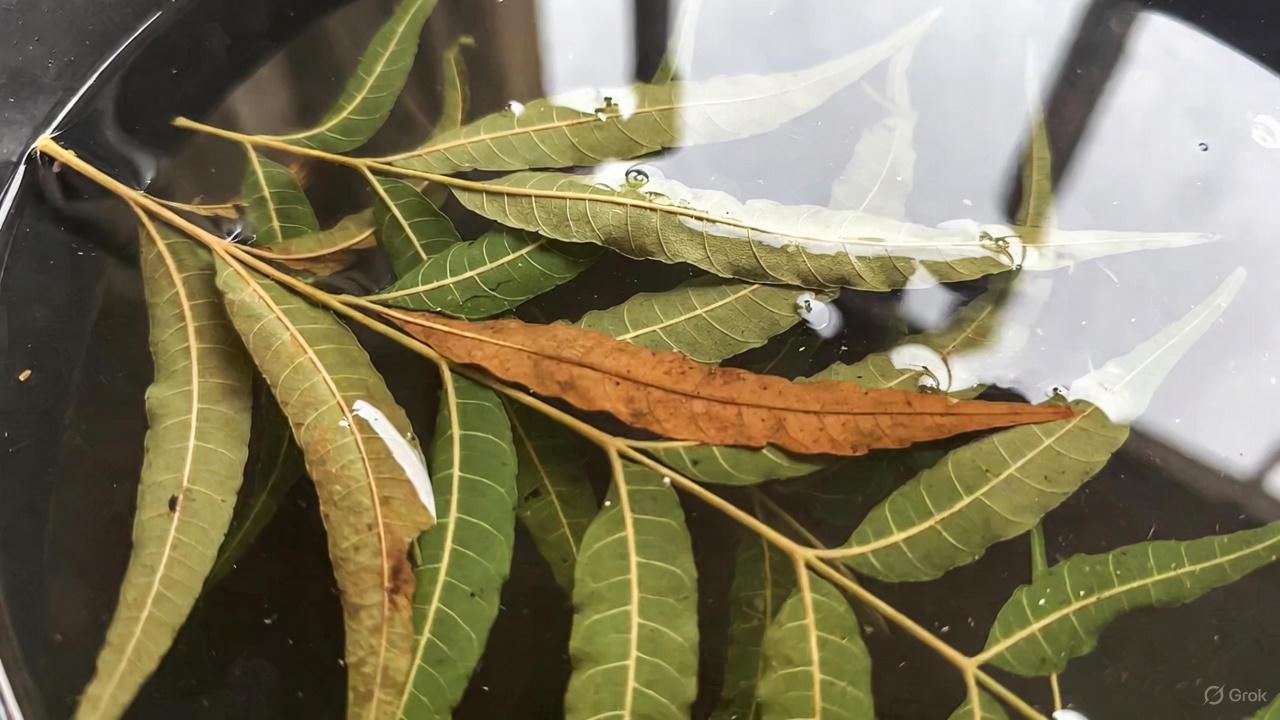
Neem leaves come from the Azadirachta indica tree, native to India and widely used in Ayurvedic practices for centuries. Known for their bitter taste, these leaves are packed with natural compounds that provide antioxidant, anti-inflammatory, and antimicrobial properties.
Research, including reviews published in journals like Current Medicinal Chemistry – Anti-Cancer Agents, highlights that neem leaves contain bioactive elements supporting overall health balance. Studies suggest these properties may help the body manage oxidative stress and mild inflammation naturally.
But that’s not all—neem has been traditionally used for much more.
Potential Ways Neem Leaves May Support Blood Sugar Balance
Fluctuating blood sugar can leave you feeling drained and irritable. Some research indicates neem leaves might help.
- Preliminary studies on animals and limited human trials show neem extracts may support healthier glucose levels and insulin response.
- A review in Evidence-Based Complementary and Alternative Medicine notes antihyperglycemic effects from neem compounds.
- One clinical study found aqueous neem extract helped reduce post-meal blood sugar in people already managing diabetes with standard care.
Of course, neem isn’t a standalone solution—it’s best as part of a healthy diet and active lifestyle. The interesting part? Many notice subtle improvements when starting small.
How Neem Leaves Could Help with Mild Inflammation and Discomfort
Occasional joint or muscle soreness can slow you down. Neem’s anti-inflammatory properties have caught attention.
- Lab and animal studies demonstrate compounds like nimbidin reduce inflammation markers.
- Traditional use includes neem for soothing mild pain, backed by research in Pharmacologyonline showing wound-healing support.
- Reviews confirm immunomodulatory effects that may ease everyday discomfort.
Here’s a quick comparison of common natural anti-inflammatory aids:
| Aid | Key Property | Evidence Level |
|---|---|---|
| Neem Leaves | Antioxidant & anti-inflammatory | Animal + preliminary human |
| Turmeric | Curcumin-based | Strong human studies |
| Ginger | Gingerol compounds | Moderate human studies |
Neem stands out for its broad traditional backing.
Supporting Healthy Circulation and Blood Pressure with Neem
Poor circulation often leads to tired legs or swelling. Neem may offer gentle help here too.
- Some studies suggest vasodilatory effects, relaxing blood vessels for better flow.
- Animal research links neem to supporting cardiovascular balance.
- Combined with its potential cholesterol-supporting role (from lipid studies), it may promote artery health.
The truth is, consistent habits like walking pair perfectly with natural supports like neem.
Other Surprising Areas Where Neem Leaves Shine
Neem doesn’t stop there. Traditional and emerging research points to:
- Skin health: Antimicrobial properties may support clearer skin.
- Immune balance: Immunomodulatory effects noted in multiple reviews.
- Digestive aid: Helping with mild gut issues in Ayurvedic use.
This versatility makes neem a true wellness multitool.
Simple Step-by-Step Guide: How to Make Neem Leaf Tea at Home
Ready to try it? Start with this easy, safe method.
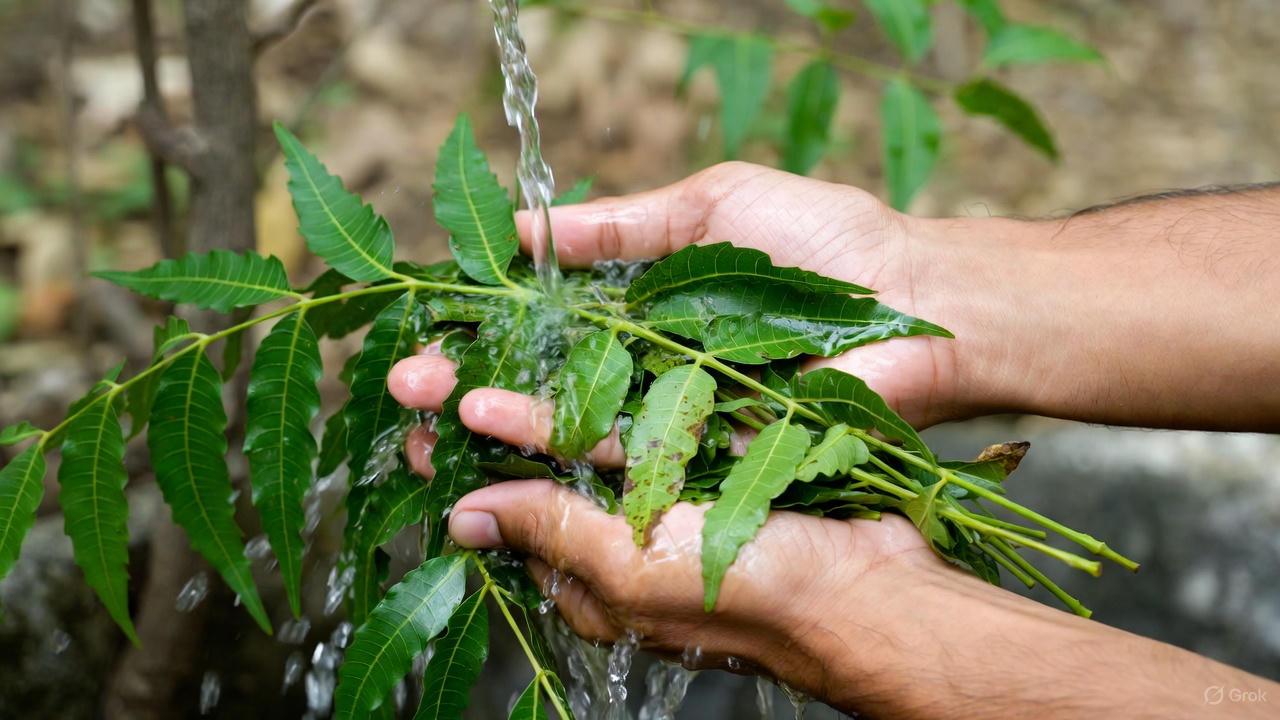
- Gather 5-10 fresh or dried neem leaves (washed thoroughly if fresh).
- Boil 1-2 cups of water.
- Add the leaves and simmer for 5-10 minutes (longer for stronger brew, but start mild).
- Strain into a cup.
- Optional: Add honey or lemon to ease bitterness.
- Enjoy 1 cup daily, preferably in the morning.
Tip: Begin with weaker tea to get used to the taste. Many find it refreshing once accustomed.
For external use:
- Crush leaves into a paste for skin application (test a small area first).
Key Safety Tips and Precautions for Using Neem Leaves
Neem is powerful, so moderation matters.
- Start low: 1 cup of tea or a few leaves daily.
- Avoid if pregnant or breastfeeding—may cause complications.
- Not for young children.
- Consult a doctor if on medications (especially for blood sugar or pressure), as it may enhance effects.
- Stop if you notice nausea, dizziness, or stomach upset.
- Long-term use? Get professional guidance to monitor liver/kidney health.
Studies confirm moderate use is generally safe, but individual responses vary.
Wrapping It Up: Making Neem Part of Your Wellness Journey
Neem leaves offer a natural, time-tested way to support blood sugar balance, mild inflammation relief, circulation, and more—backed by traditional use and growing research. When used mindfully alongside healthy eating, movement, and medical advice, it can be a valuable addition.
The unexpected secret? Consistency with small habits, like daily tea, often brings the most noticeable support over time.
Frequently Asked Questions About Neem Leaves
1. How many neem leaves can I safely consume daily?
Most people start with 5-10 leaves in tea or chewed fresh. Stick to 1-2 cups of tea and monitor how you feel—consult a professional for personalized advice.
2. Can neem leaves help with skin issues?
Yes, traditionally and in some studies, neem supports skin health through antimicrobial properties. Try diluted paste externally, but patch-test first.
3. Is neem tea bitter, and how can I make it tastier?
It’s naturally bitter, but adding honey, lemon, or ginger softens it. Start with fewer leaves for a milder flavor.
Disclaimer: This information is for educational purposes only and not intended to diagnose, treat, cure, or prevent any disease. Always consult your healthcare provider before starting any new wellness practice, especially if you have health conditions or take medications.