As men reach their 40s and beyond, it’s common to notice subtle changes in urinary comfort and overall vitality that can disrupt daily life. These shifts often stem from natural aging processes, leaving many feeling frustrated and searching for gentle ways to feel more like themselves again. The good news is that simple, nutrient-rich foods from nature can play a supportive role in maintaining balance and comfort.
But here’s the exciting part: one everyday seed has been highlighted in research for its potential to help with these concerns—and you might already have it in your kitchen. Keep reading to discover practical ways to incorporate it, backed by science, and a few easy habits that could make a real difference.
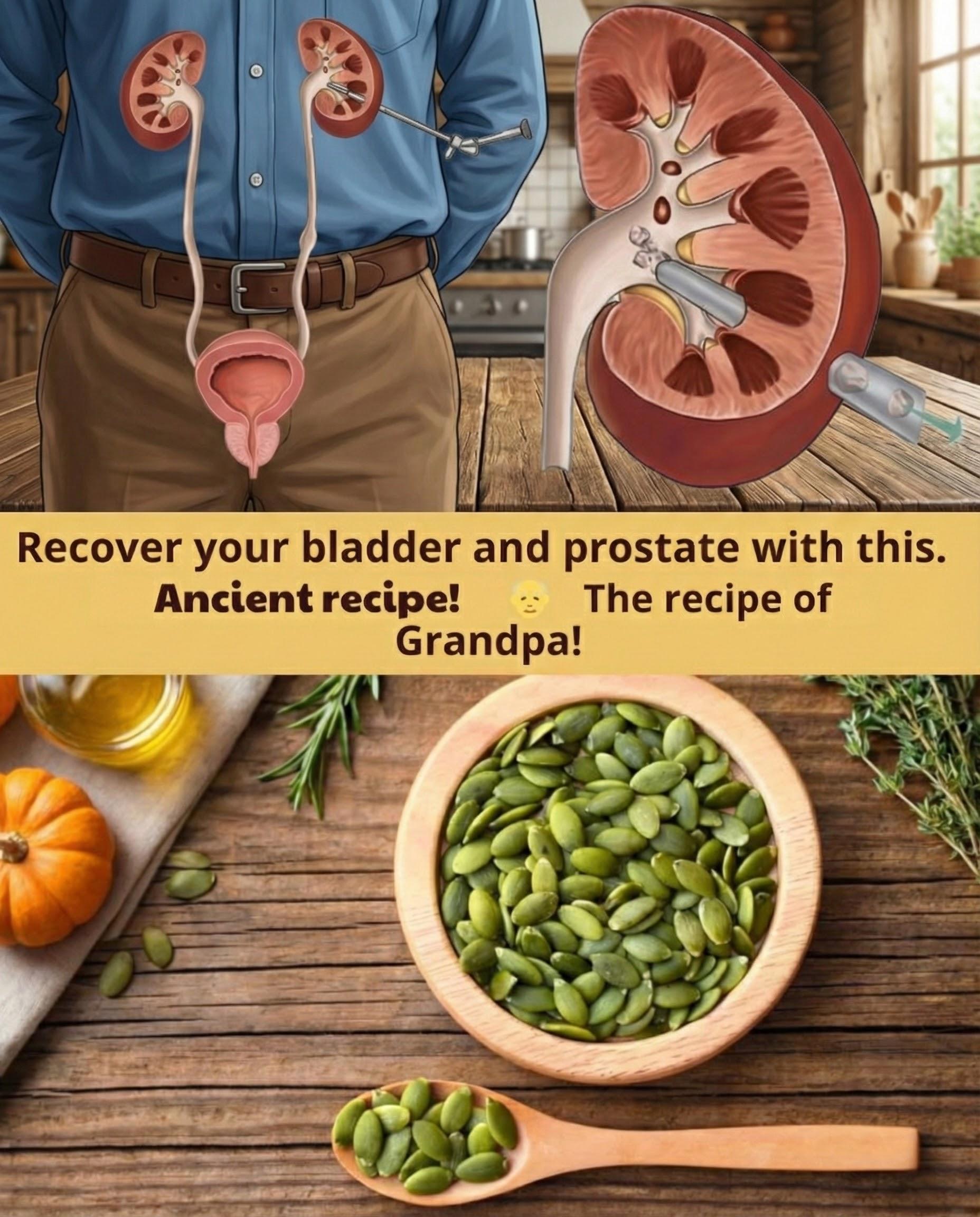
Why Pumpkin Seeds Are Worth Considering for Men’s Health
Pumpkin seeds, also known as pepitas, have been part of traditional diets for centuries. Today, studies suggest they offer nutritional support that aligns with men’s wellness needs, particularly as we age.
Research, including a one-year randomized study on men with lower urinary tract symptoms, found that regular consumption of pumpkin seeds was associated with improvements in symptom scores compared to placebo. Similar findings from trials involving pumpkin seed oil show potential benefits for urinary flow and comfort.
But that’s not all—pumpkin seeds are packed with compounds that contribute to overall well-being. Here’s what makes them stand out:
- High in zinc: This mineral is concentrated in the prostate and supports normal function. Studies link adequate zinc intake to prostate health maintenance.
- Rich in healthy fats and antioxidants: These help promote cellular protection and balance inflammation.
- Source of phytosterols: Plant compounds that may influence hormone metabolism gently.
- Magnesium and tryptophan: Nutrients that support relaxation, sleep quality, and energy.
These elements work together naturally, making pumpkin seeds a food-based option many men find appealing.
The Nutritional Powerhouse in Every Handful
A small serving of pumpkin seeds (about 1 ounce or a handful) delivers impressive nutrients without excess calories. Here’s a quick breakdown:
| Nutrient | Amount per 1 oz (28g) | Key Role in Men’s Wellness |
|---|---|---|
| Zinc | ~2-3 mg | Supports prostate function and immunity |
| Magnesium | ~150 mg | Aids muscle relaxation and heart rhythm |
| Healthy fats | ~14 g | Promotes cardiovascular health |
| Fiber | ~5 g | Supports digestion and steady energy |
| Protein | ~10 g | Helps maintain vitality and muscle |
| Antioxidants | Varied | Protects cells from daily stress |
Data drawn from general nutritional analyses—roasted, unsalted seeds provide these benefits best.
The truth is, incorporating just a handful daily can add up over time, especially when combined with a balanced diet.
Simple Ways to Enjoy Pumpkin Seeds Every Day
The best part? Pumpkin seeds are versatile and easy to add without overhauling your routine. Start small to see how your body responds.
Actionable Tip 1: Quick Pumpkin Seed Tea
This soothing infusion is a traditional favorite.
Step-by-step:
- Rinse 1-2 tablespoons of raw, unsalted pumpkin seeds.
- Lightly crush them to release nutrients.
- Add to 1 cup of boiling water and simmer for 10-15 minutes.
- Strain and sip warm, once or twice daily.
Many find this calming in the evening.
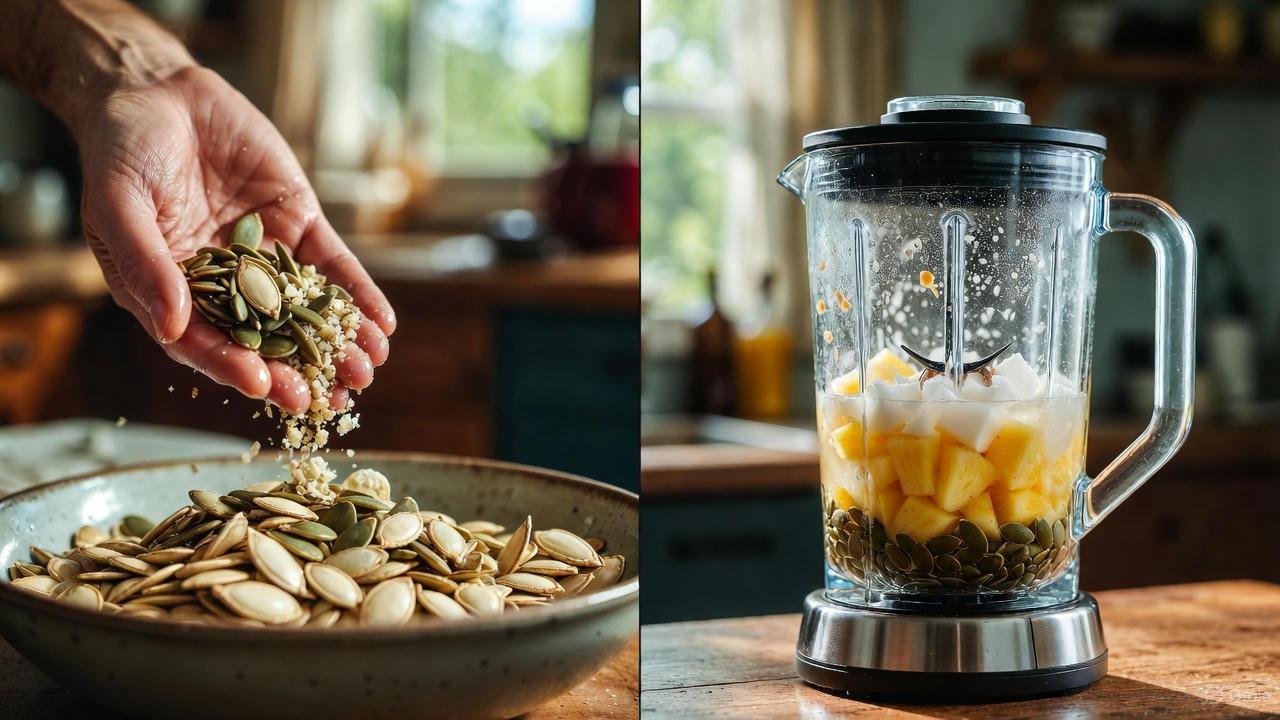
Actionable Tip 2: Refreshing Pumpkin Seed Smoothie
Perfect for mornings.
Ingredients (1 serving):
- ¼ cup soaked pumpkin seeds
- 1 cup fresh fruit (like pineapple or berries)
- 1 cup almond milk or water
- Optional: a dash of cinnamon
Blend until smooth. Enjoy 3-4 times a week for a nutrient boost.

Actionable Tip 3: Easy Roasted Snack
Steps:
- Toss 1 cup seeds with a sprinkle of sea salt or herbs.
- Roast at 350°F for 10-15 minutes, stirring halfway.
- Cool and store in an airtight jar.
Grab a handful as a mid-day pick-me-up.
Actionable Tip 4: Homemade Pumpkin Seed Sprinkle
Grind roasted seeds and mix with nuts or oats for salads, yogurt, or oatmeal.
These habits are straightforward—most take under 10 minutes—and fit seamlessly into busy days.
More Ways Pumpkin Seeds Can Support Overall Vitality
Beyond prostate comfort, research points to broader benefits:
- Heart health: Healthy fats and magnesium contribute to normal blood pressure and cholesterol balance.
- Better sleep: Tryptophan aids relaxation.
- Immune support: Zinc and antioxidants play key roles.
- Digestive ease: Fiber promotes regularity.
Studies on pumpkin seed oil, for instance, have explored its role in urinary symptoms, with promising results in symptom relief over months.
This is the interesting part: unlike isolated supplements, whole seeds provide a synergy of nutrients that the body recognizes easily.
Precautions and Smart Habits for Safe Enjoyment
Pumpkin seeds are generally well-tolerated, but moderation is key.
- Start with 1 ounce daily to avoid digestive upset from high fiber.
- Choose unsalted, raw or lightly roasted to minimize sodium.
- Store in a cool, dark place to prevent rancidity.
- If you have allergies to nuts/seeds, kidney concerns, or take medications, check with your doctor first.
Overdoing it might cause bloating or discomfort—listen to your body.
Wrapping It Up: Small Seeds, Meaningful Support
Adding pumpkin seeds to your routine is a simple, evidence-informed way to nourish your body naturally. From teas and smoothies to snacks, these nutrient-dense gems offer gentle support for prostate comfort, urinary balance, and daily vitality—backed by traditional use and modern studies.
Consistency matters more than perfection. Try one new habit this week and build from there.
Frequently Asked Questions
1. How many pumpkin seeds should I eat daily?
A handful (about 1 ounce) is a good starting point. This provides key nutrients without excess calories.
2. Can pumpkin seeds replace medical advice?
No—they’re a food, not a treatment. They’re best as part of a healthy lifestyle alongside professional guidance.
3. Are there differences between raw and roasted seeds?
Both are beneficial, but roasting enhances flavor. Raw may retain slightly more heat-sensitive nutrients.
Disclaimer: This information is for educational purposes only and is not intended to diagnose, treat, or cure any condition. Always consult a qualified healthcare provider for personalized advice, especially if you have health concerns.
(Word count: ~1,250)