Many people enjoy adding cloves to their meals or teas for that warm, aromatic flavor, expecting only positive experiences. Yet sometimes, even this familiar spice can lead to discomfort like mouth irritation or unexpected reactions, leaving you wondering what went wrong. It’s frustrating when something so common in kitchens doesn’t agree with everyone in the same way.
The good news? Understanding a few key situations can help you continue enjoying cloves confidently. We’ll explore some evidence-based insights ahead, plus practical tips to keep things balanced—and reveal a simple approach at the end that could make all the difference.

What Makes Cloves So Popular in Everyday Cooking and Wellness?
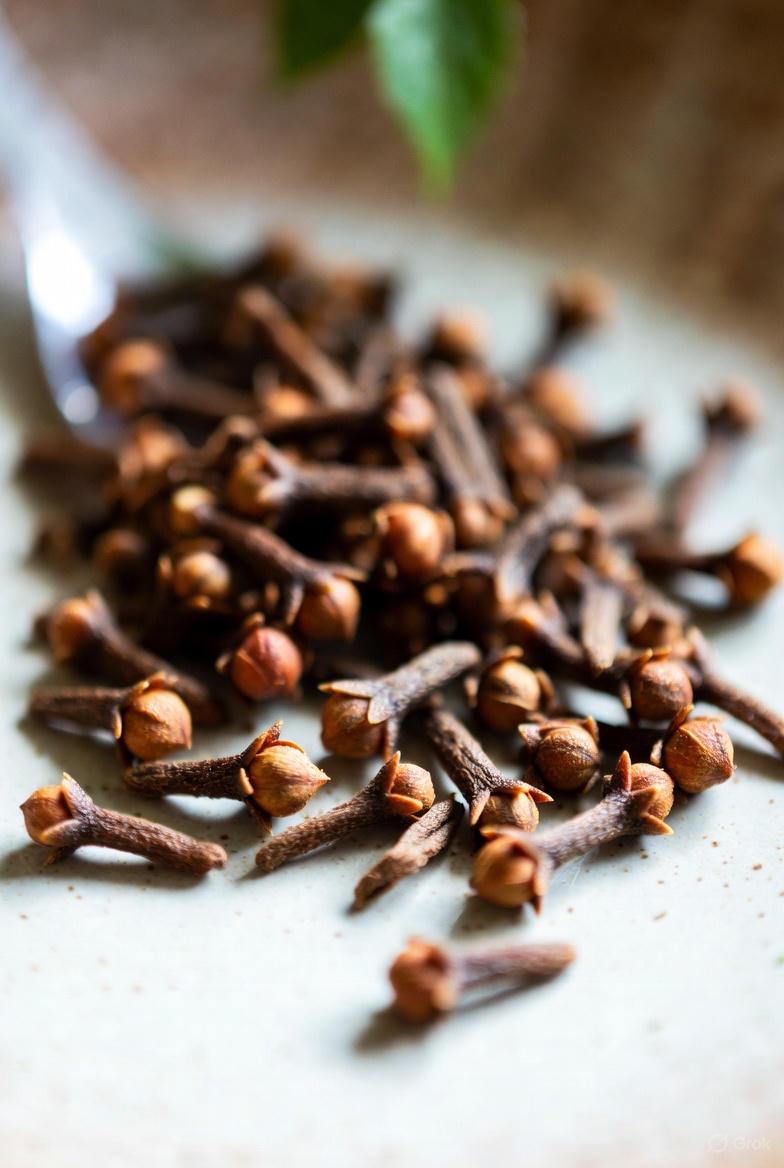
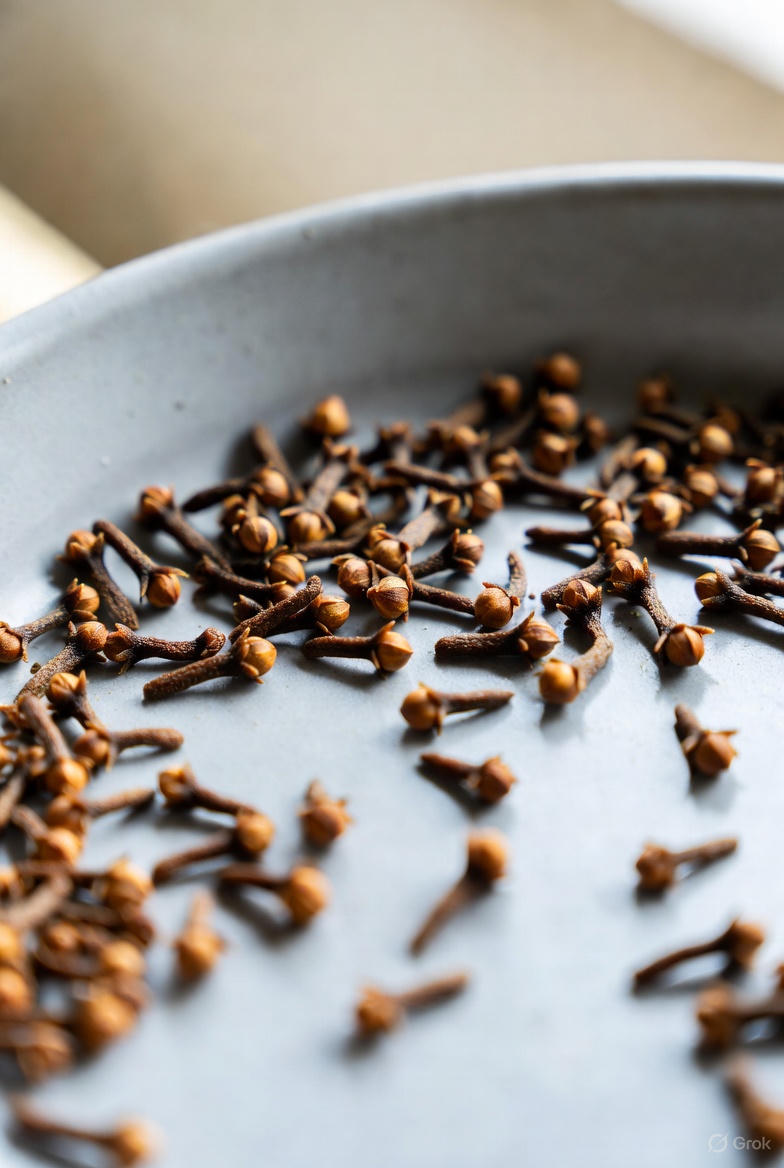
Cloves come from the dried flower buds of a tropical tree and contain a compound called eugenol, known for its antioxidant properties. Many turn to cloves in small amounts for potential support with digestion or oral comfort.
Research suggests that when used in typical food quantities, cloves are generally well-tolerated by most adults. But eugenol’s potency means higher concentrations, like in oils or extracts, can sometimes overwhelm the body.
Here’s the interesting part: while culinary use is often straightforward, individual factors play a big role. That’s why awareness matters more than avoidance.
Potential Oral Irritation from Strong Concentrations
If you’ve ever noticed a burning sensation after using concentrated clove products on gums or teeth, you’re not alone. Eugenol can provide temporary numbing, but in sensitive mouths, it may cause irritation or inflammation.
Studies indicate that topical overuse of clove oil sometimes leads to tissue discomfort. Diluting properly or sticking to whole cloves in food helps many avoid this.
Quick tip: Start with very small amounts if trying clove for oral freshness, and rinse thoroughly.
But that’s just one area—keep reading for more common scenarios.
Considerations for Expectant Mothers Exploring Natural Options
During pregnancy, many seek gentle ways to ease nausea, like spiced teas. However, experts often recommend caution with cloves in larger amounts.
Some sources note that eugenol might influence uterine activity in concentrated forms, though typical spice use in cooking is usually considered low-risk. Always check with your healthcare provider for personalized guidance.
Many find ginger a milder alternative during this time.
How Cloves Might Affect Liver Function in Certain Cases
Your liver handles a lot, including processing compounds like eugenol. In healthy individuals, food amounts pose little concern.
Animal research shows high doses of eugenol can stress liver cells, but human evidence links this mainly to overdose of oils, not everyday spice use. Those with existing liver concerns may want to monitor intake.
Research suggests starting small and observing how your body responds.
Blood Sugar Fluctuations: A Note for Those Managing Levels
Cloves have been studied for potential effects on glucose metabolism, with some findings showing eugenol may support stability in moderation.
On the flip side, combining higher amounts with diabetes medications could lead to drops in blood sugar. Monitoring closely is key if you’re adding more cloves.
- Test levels before and after meals when introducing new spices.
- Begin with 1/2 teaspoon ground cloves daily.
- Consult your doctor about any adjustments.
This balance helps many enjoy the flavor without surprises.
Allergic Responses or Skin Sensitivity to Clove Products
Though rare, some experience redness, itching, or rashes from clove oil on skin. Eugenol is a known contact sensitizer in patch tests.
Studies report occasional dermatitis from topical use. Performing a small patch test first is a smart step.
For respiratory sensitivity, inhaling strong vapors might irritate airways in allergic individuals.
Interactions with Common Medications to Keep in Mind
Eugenol’s effects on clotting mean it could amplify blood-thinning medications like warfarin or aspirin, potentially increasing bruising risk.
Similar caution applies with some diabetes drugs due to possible additive blood sugar effects.
Practical steps:
- Inform your doctor about spice or supplement changes.
- Pause higher clove use two weeks before surgery.
- Stick to food amounts if on these medications.
Comparing Options for Similar Benefits with Fewer Concerns
| Situation | Cloves Consideration | Gentler Alternatives | Why They Might Suit Better |
|---|---|---|---|
| Oral discomfort | Potential irritation | Chamomile rinse or saltwater | Soothing without strong compounds |
| Nausea support | Caution in higher amounts | Ginger tea in moderation | Well-studied for pregnancy nausea |
| Blood sugar management | Monitor closely | Cinnamon in small doses | Similar flavor, established use |
| General antioxidant boost | Fine in food | Berries or green tea | Everyday foods with broad research |
| Skin application | Risk of reaction | Aloe or coconut oil | Mild and hydrating |
Many find these swaps allow similar enjoyment with added peace of mind.
Simple Habits for Enjoying Cloves Comfortably Every Day
Ready to keep cloves in your routine? Here’s an actionable plan:
- Use whole or ground cloves primarily in cooking—aim for 1/4 to 1/2 teaspoon per day.
- Avoid undiluted clove oil internally; dilute heavily for any topical use.
- Track how you feel for a week when adding more.
- Pair with meals to spread absorption.
- Store in a cool, dark place for freshness.
Most people thrive with this moderate approach.
And the best part? You’ll likely notice the warm flavor enhancing dishes without any downsides.
Wrapping Up: Informed Choices Lead to Better Experiences
Cloves add wonderful depth to foods and may offer supportive properties in small amounts. By staying mindful of quantities and personal health factors, you can minimize any unexpected challenges.
Research consistently points to moderation as the key—enjoy the spice as part of a varied diet.
Frequently Asked Questions
1. How many cloves are typically safe to use daily in food?
Most adults find 1/4 to 1 teaspoon of ground cloves (or 2-3 whole cloves) in meals well-tolerated, based on common culinary practices.
2. Can I use clove tea regularly?
Occasional use with 1-2 cloves per cup is popular, but limit to 1 cup daily and watch for any discomfort.
3. Are cloves safe for children?
Stick to very small food amounts; avoid oils or concentrates, as children may be more sensitive.
This article is for informational purposes only and is not intended as medical advice. Always consult your healthcare provider before making changes to your diet or wellness routine, especially if you have health conditions or take medications.