Many people notice changes in their joints over time, like stiffness or occasional discomfort during movement, which can make everyday tasks feel more effortful. This subtle shift often builds up, influencing how freely you walk, exercise, or even enjoy hobbies without thinking twice. Fortunately, small dietary adjustments might offer a natural way to help maintain comfort and flexibility in those areas. In this article, we’ll explore one simple ingredient that research hints could contribute positively—stick around to learn the easy steps for adding it to your routine and why it might surprise you.

Understanding Joint Health Basics
Joints are the connections between bones that allow for smooth movement, cushioned by cartilage—a flexible tissue that absorbs shock. As we age or face repetitive stress, cartilage can wear down naturally, leading to those familiar sensations. But supporting your body’s natural processes through nutrition is a proactive step many overlook.
Research from institutions like the National Institutes of Health shows that certain nutrients play a role in maintaining cartilage structure. Collagen, a key protein in connective tissues, is one such element. It’s abundant in the body but decreases with age.
Here’s where it gets interesting…
The Surprising Ingredient: Gelatin
Gelatin is derived from animal collagen, often from bones or skin, and it’s been used in cooking for centuries. Think of it as the jiggly part in homemade broths or desserts. Unlike processed supplements, plain gelatin is an affordable, natural source of collagen peptides.
Studies, such as those published in the Journal of Agricultural and Food Chemistry, indicate that collagen hydrolysate—found in gelatin—may help support joint function by providing building blocks for cartilage. One review in Current Medical Research and Opinion analyzed multiple trials and noted potential benefits for joint comfort.
But that’s not all…
Potential Ways Gelatin Supports Joints
Gelatin contains amino acids like glycine and proline, essential for collagen synthesis. When consumed, these break down into forms your body can absorb easily.
A study in the International Journal of Sport Nutrition and Exercise Metabolism found that athletes supplementing with collagen experienced improved joint comfort during training. While more research is needed, these findings suggest gelatin could aid in maintaining mobility.
Consider this: gelatin is versatile and low-calorie, making it easy to fit into various diets.

Comparing Gelatin to Other Joint-Support Options
To help you decide if gelatin fits your lifestyle, here’s a simple comparison table:
| Option | Source | Cost per Serving | Ease of Use | Key Nutrients |
|---|---|---|---|---|
| Gelatin Powder | Animal collagen | Low (~$0.50) | Mix into drinks/food | Collagen peptides |
| Collagen Supplements | Hydrolyzed collagen | Medium (~$1) | Capsules or powder | Similar to gelatin |
| Turmeric | Plant root | Low | Spice or tea | Curcumin |
| Fish Oil | Omega-3 from fish | Medium | Pills | Fatty acids |
As you can see, gelatin stands out for its affordability and natural integration into meals.
Now, let’s dive deeper…
Simple Ways to Add Gelatin to Your Diet
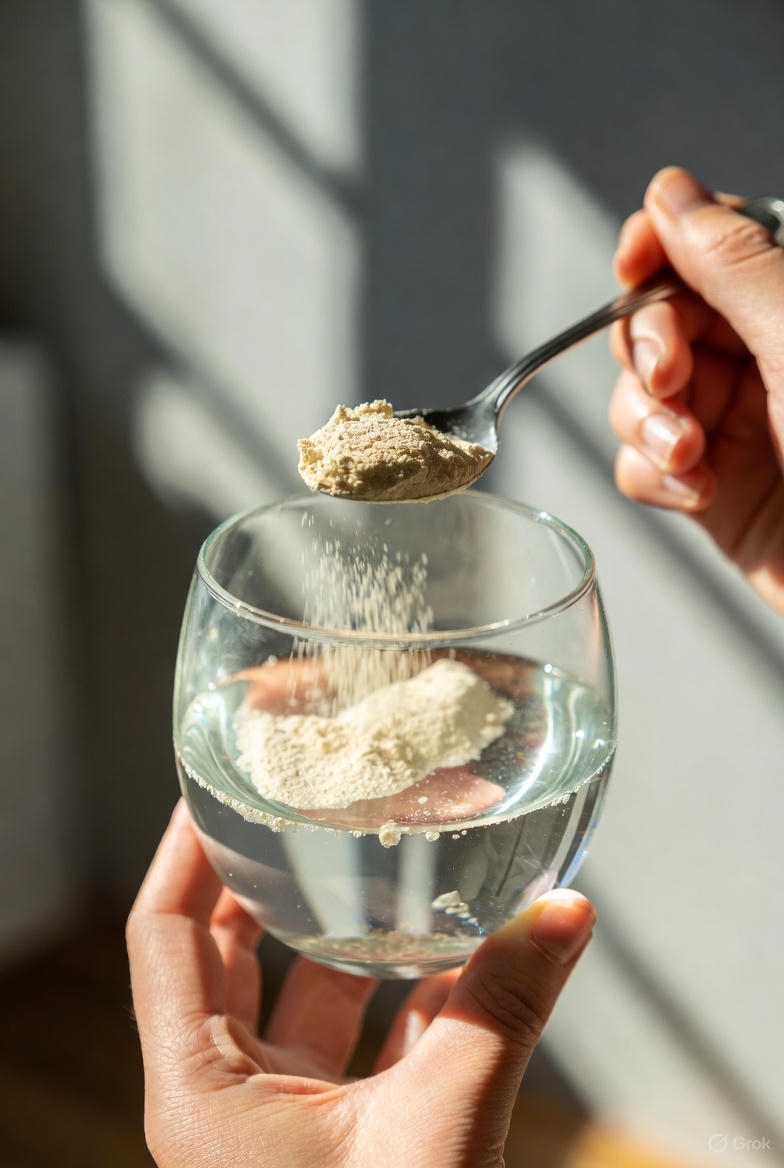
Incorporating gelatin doesn’t require fancy recipes. Start with just two spoons—about 10-15 grams—mixed into your daily routine.
Here’s a step-by-step guide:
- Choose quality gelatin: Opt for unflavored, grass-fed varieties to maximize potential benefits.
- Prepare a basic mix: Dissolve two spoons in warm water or broth for a simple drink.
- Add to meals: Stir into soups, smoothies, or yogurt for seamless inclusion.
- Track consistency: Aim for daily use over weeks to notice any subtle changes in how your joints feel.
Many people report enjoying the ritual, turning it into a mindful habit.
And speaking of habits…
Delicious Recipes Featuring Gelatin
Try these easy ideas to make gelatin fun:
- Homemade Gummies: Mix gelatin with fruit juice, pour into molds, and refrigerate. A tasty snack with added nutrition.
- Bone Broth Boost: Simmer bones for hours, strain, and add gelatin powder for extra thickness.
- Morning Smoothie: Blend berries, spinach, and two spoons of gelatin for a nutrient-packed start.
These recipes take under 15 minutes and use common ingredients.
But wait, there’s more to consider…
What Science Says About Dosage and Timing
General guidelines from nutrition experts suggest 10 grams daily, roughly two spoons, divided if preferred. A paper in Nutrients journal reviewed collagen intake and noted positive associations with joint health at this level.
Timing matters too—consuming it post-exercise might enhance absorption, per sports nutrition research.
Of course, individual results vary based on diet and lifestyle.
Lifestyle Tips to Complement Gelatin
While exploring gelatin, pair it with other habits for holistic support:
- Stay active with low-impact exercises like walking or swimming.
- Maintain a balanced diet rich in fruits, vegetables, and proteins.
- Hydrate well, as water helps keep tissues flexible.
- Get enough sleep, since recovery happens overnight.
These small changes amplify any dietary efforts.
Here’s the exciting part…
Real Stories from Everyday People
Though not medical evidence, anecdotal shares online highlight how some incorporate gelatin. One forum user mentioned feeling more limber after a month of daily use in coffee. Another appreciated its role in homemade treats for family.
Remember, these are personal experiences—consult a professional for tailored advice.
Addressing Common Concerns
Some worry about gelatin’s animal origin. Vegetarian alternatives like agar exist, but they lack collagen. If allergies are a factor, check labels carefully.
Research reassures that high-quality gelatin is safe for most, with minimal side effects.
Now, to wrap things up…
In summary, gelatin offers a simple, natural way to potentially support your joint health through its collagen content. By adding just two spoons daily via easy recipes, you might enhance your routine. Combined with healthy habits, it could contribute to maintaining mobility as you age.
Frequently Asked Questions
What is the best way to source gelatin for joint support?
Look for unflavored gelatin from reputable brands, preferably grass-fed for higher quality. It’s widely available in grocery stores or online.
Can gelatin be used in vegetarian diets?
Traditional gelatin is animal-based, but plant-based options like pectin provide similar gelling properties, though without collagen.
How long before noticing any differences with gelatin?
Studies suggest consistent use over 8-12 weeks may show subtle improvements, but this varies by individual.
Disclaimer: This article is for informational purposes only and not intended as medical advice. Always consult a healthcare professional before making dietary changes, especially if you have underlying conditions.
(Word count: 1,248)