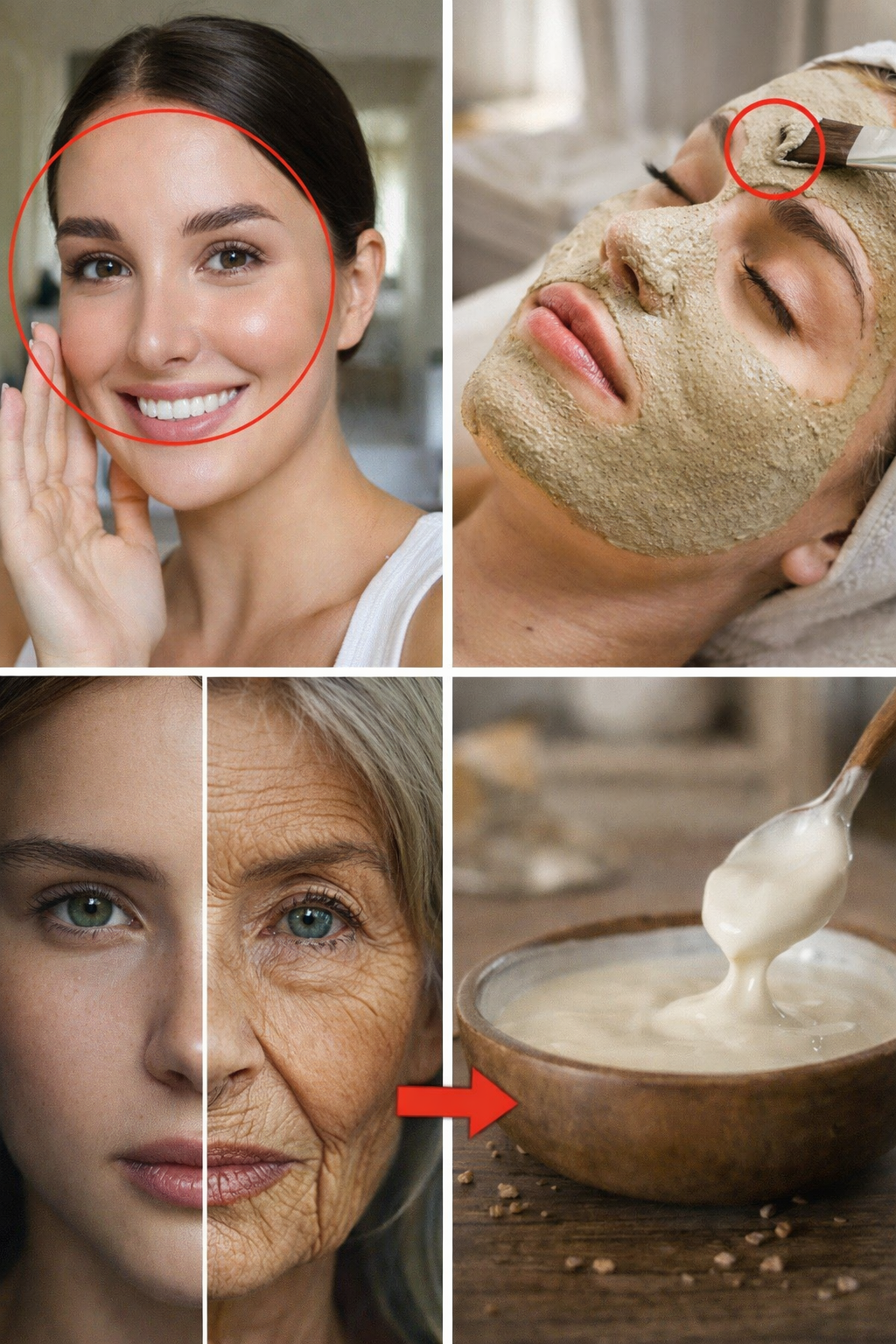
Many people notice changes in their skin as they get older, like dryness, dullness, or uneven texture that can make daily routines feel frustrating. These common concerns often stem from natural factors such as reduced moisture retention and slower cell turnover, leaving skin feeling less smooth and radiant than before. It’s easy to feel discouraged when searching for gentle options that fit into a busy life.
But here’s the encouraging part: simple ingredients from your kitchen, like plain yogurt and yeast, have been used for generations to create soothing homemade masks. And there’s an easy way to explore their potential benefits yourself—keep reading to discover practical tips and insights that could make a difference.
Understanding Common Skin Changes Over Time
As we age, skin naturally loses some of its moisture and elasticity. Research shows that factors like environmental exposure and decreased collagen production contribute to drier, rougher texture in many adults.
It’s common to feel that store-bought products don’t always deliver the gentle support you’re hoping for. Many turn to natural alternatives for a more approachable option.
But that’s not the full story…
Why Some People Explore Natural Ingredients Like Yogurt
Yogurt contains lactic acid, a mild alpha-hydroxy acid (AHA) found naturally in milk. Studies suggest lactic acid can provide gentle exfoliation by helping remove dead skin cells, leading to smoother texture over time.
Additionally, yogurt’s probiotics may offer soothing properties when applied topically, according to some research on fermented dairy.
Yeast, particularly nutritional or baker’s yeast, is rich in B vitamins and antioxidants. Evidence indicates these nutrients can support skin nourishment and protection against oxidative stress when used in skincare.
Combining them with nourishing oils like olive or coconut could enhance hydration.
Here’s a quick comparison:
| Ingredient | Key Component | Potential Support |
|---|---|---|
| Yogurt | Lactic acid, probiotics | Gentle exfoliation, soothing |
| Yeast | B vitamins, antioxidants | Nourishment, moisture retention |
| Carrier oils | Fatty acids | Added hydration, barrier support |
This blend has gained attention for its simplicity and accessibility.
How These Ingredients Might Work Together
Lactic acid in yogurt acts as a humectant, drawing in moisture while gently promoting cell renewal. Research on AHAs, including lactic acid, shows they can improve skin hydration and brightness with regular use.
Yeast extracts in topical formulations have been linked to antioxidant benefits, helping combat daily environmental stressors.
Many find this mask soothing because it’s mild compared to stronger chemical exfoliants.
But does it really make a noticeable difference? Let’s look at the potential benefits.
Potential Benefits of a Yogurt and Yeast Mask
People who try this homemade ritual often report these supportive effects:
- Smoother texture: Gentle exfoliation from lactic acid may help reveal fresher skin.
- Better hydration: Yogurt and oils can lock in moisture for a plumper feel.
- Calmer appearance: Probiotics and antioxidants might reduce redness.
- Brighter look: Regular use could promote even tone through cell turnover.
- Nourished feel: B vitamins from yeast support overall skin vitality.
Studies on topical probiotics and AHAs back some of these observations, though results vary by individual.
Insider tip: Always use plain, unsweetened yogurt to avoid added sugars that could irritate.
Easy Step-by-Step Recipe to Try at Home
Ready to give it a go? Here’s a simple, customizable recipe:
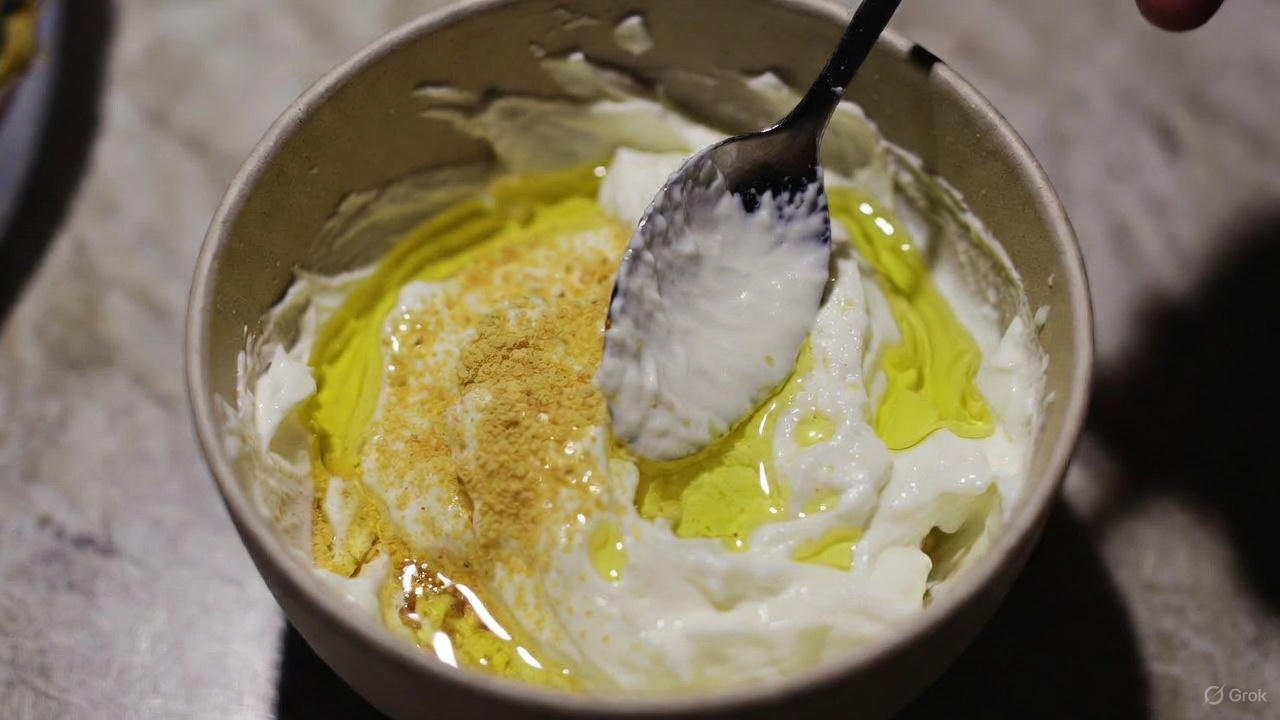
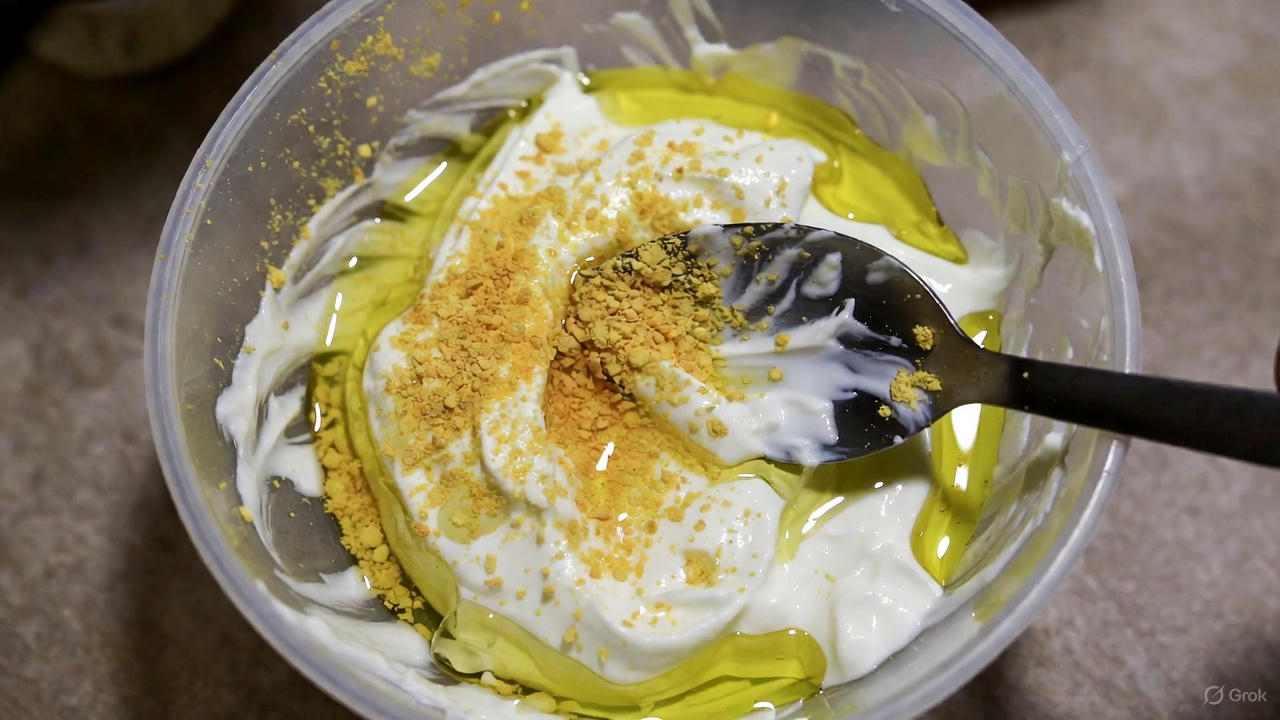
- Gather ingredients: 2 tablespoons plain yogurt, 1 teaspoon nutritional yeast (or dissolved baker’s yeast), and 1 teaspoon olive or coconut oil.
- Mix into a smooth paste in a small bowl.
- Cleanse your face gently first.
- Apply evenly, avoiding the eye area.
- Relax for 10-15 minutes.
- Rinse with lukewarm water and pat dry.
- Follow with your usual moisturizer.
Start with 2-3 times per week. Patch test on your inner arm first to check for sensitivity.
For variety:
- Add honey for extra soothing.
- Include a drop of jojoba oil for dry skin.
Consistency is key—many notice softer skin after a few weeks.
Tips for Best Results and Safety
To maximize potential benefits:
- Use fresh ingredients and store any leftovers in the fridge for up to 2 days.
- Apply in the evening to allow overnight recovery.
- Always wear sunscreen daily, as exfoliation can increase sun sensitivity.
If you have sensitive skin or conditions like eczema, consult a dermatologist first.
But wait, there’s more to consider…
Common Questions About This Natural Approach
Here are answers to frequently asked questions:
How often should I use a yogurt and yeast mask?
Start with 2-3 times weekly, adjusting based on how your skin responds. Overuse might cause dryness.
Can it help with dry or mature skin?
Yes, the hydrating properties of yogurt and oils may provide supportive moisture, while gentle exfoliation smooths texture.
Is it safe for all skin types?
It’s generally mild, but those with dairy allergies should avoid it. Yeast could irritate very sensitive skin—patch test always.
Final Thoughts on Exploring Natural Skin Support
Incorporating simple, natural ingredients like yogurt and yeast into your routine offers an accessible way to nurture your skin. While not a miracle solution, the gentle exfoliation, hydration, and nourishment from these components can contribute to healthier-looking skin over time.
Many appreciate the ritual as a moment of self-care, using everyday items for potential glow and smoothness.
Remember, individual results vary, and pairing with a balanced diet, hydration, and sun protection enhances overall skin health.
This information is for educational purposes only and is not intended to diagnose, treat, or cure any skin condition. Always perform a patch test and consult a healthcare professional or dermatologist for personalized advice, especially if you have sensitive skin or underlying concerns. Discontinue use if irritation occurs.