Many women experience occasional pelvic discomfort, changes in their menstrual cycle, or unexplained fatigue and brush it off as part of life. These subtle shifts can feel frustrating and disruptive, leaving you wondering if something deeper is going on while you push through your daily routine. The good news is that paying closer attention to these signals can help you take proactive steps toward better well-being. And toward the end of this guide, I’ll share some practical everyday habits that many women find helpful for supporting pelvic comfort.
Your uterus plays a central role in hormonal balance, menstruation, and overall reproductive health. While many changes are normal, certain patterns may point to common issues like fibroids or hormonal shifts. Research from sources like the Mayo Clinic and Cleveland Clinic shows that conditions such as uterine fibroids and endometriosis often present with recognizable signs.
Let’s explore 12 common signs that women frequently report. Recognizing them early can empower you to have informed conversations with your healthcare provider.
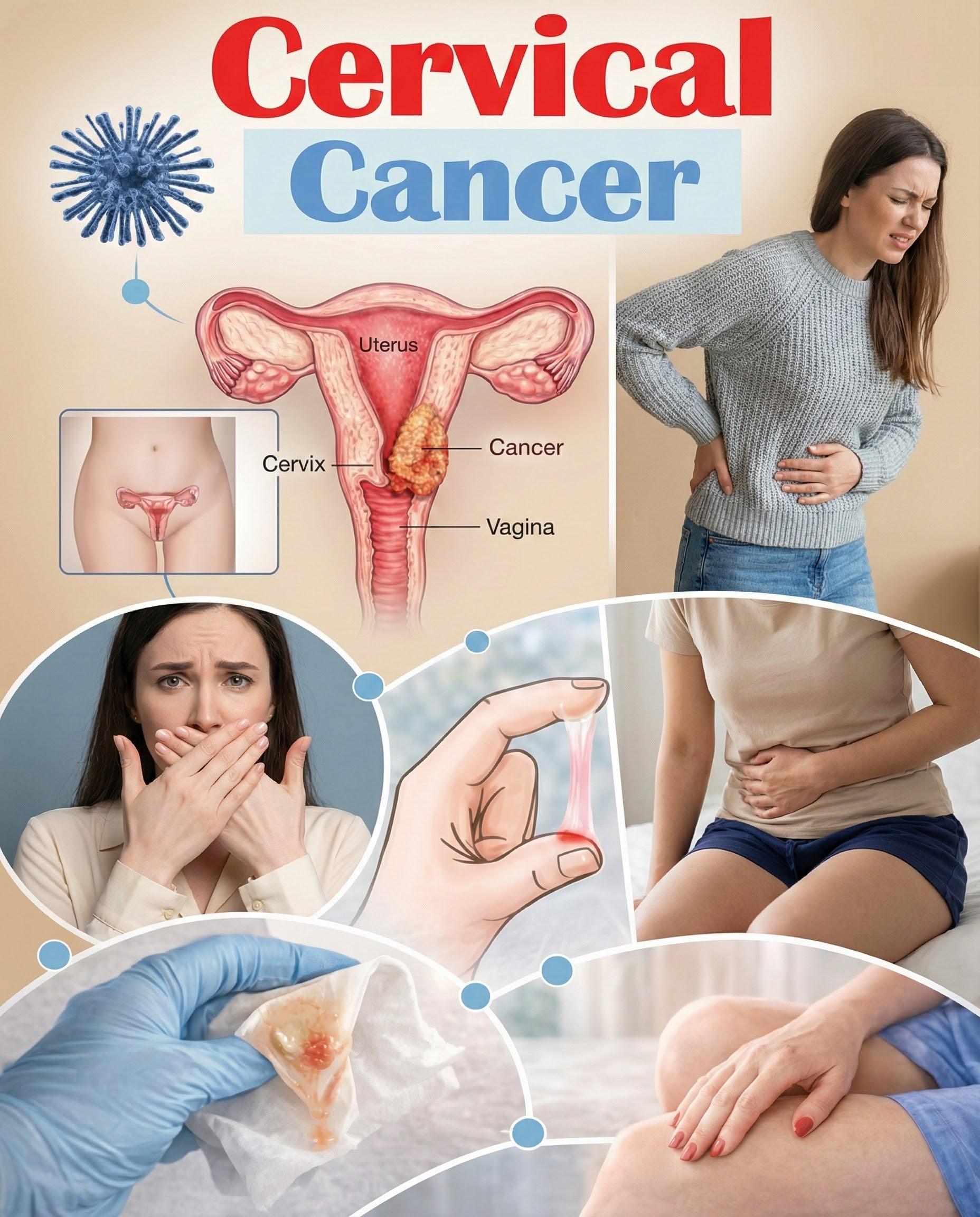
1. Ongoing Pelvic Discomfort or Pressure
A persistent ache, sharpness, or feeling of heaviness in the lower abdomen can sometimes go beyond typical menstrual cramps.
This sensation might come and go or feel constant. Studies indicate that pelvic pain is a frequent complaint in conditions like fibroids or endometriosis, where growths or tissue changes create pressure.
If this discomfort lingers outside of your cycle or interferes with daily activities, it’s worth noting.
But that’s not the only way your body might signal something.
2. Heavier or Longer Menstrual Flow
Changing pads or tampons more often than usual, or having periods that extend beyond a week, can feel exhausting.
Heavy bleeding is one of the most reported symptoms of uterine fibroids, according to Cleveland Clinic experts. It may also lead to feelings of tiredness due to lower iron levels.
Tracking your flow over a few cycles can help spot patterns.
Here’s the interesting part—sometimes the opposite change appears.
3. Irregular or Missed Cycles
When periods become unpredictable—skipping months or arriving at unexpected times—it can create uncertainty.
Hormonal fluctuations, stress, or conditions like polycystic ovary syndrome (PCOS) often play a role. The American College of Obstetricians and Gynecologists (ACOG) notes that irregular bleeding can stem from various reproductive factors.
Occasional irregularity is common, especially during life transitions, but consistent changes deserve attention.
And speaking of changes, bloating is another one many women notice.

4. Persistent Bloating or Fullness in the Lower Belly
That ongoing swollen feeling, even without dietary triggers, can make clothes fit differently.
This pressure might relate to fibroid growth or fluid retention linked to hormonal shifts. Many women describe it as a constant “heaviness” in the pelvic area.
If it doesn’t resolve with typical digestion remedies, keep track.
Mood changes can also provide clues.
5. Frequent Mood Fluctuations or Low Energy
Feeling more irritable, anxious, or emotionally drained than usual—especially around your cycle—might connect to hormonal ebb and flow.
Estrogen and progesterone influence brain chemistry, and imbalances can affect emotional well-being. Research highlights links between reproductive hormones and mood stability.
Persistent low energy, even with good sleep, could tie into this too.
But energy dips aren’t always emotional.
6. Ongoing Fatigue Despite Rest
Waking up tired or needing extra caffeine to get through the day can feel draining over time.
Heavy menstrual flow can contribute to lower iron stores, leading to fatigue. Chronic inflammation from pelvic conditions may also play a part, as noted in medical reviews.
Listening to your energy levels month to month can reveal patterns.
Pain can radiate in unexpected ways.
7. Lower Back Aches or Leg Discomfort
Dull pain in the lower back or thighs that coincides with your cycle isn’t always muscular.
Shared nerve pathways mean uterine changes can refer pain to these areas. Women with fibroids or endometriosis often report this.
If over-the-counter relief doesn’t help much, consider journaling the timing.
Discharge changes are worth monitoring too.
8. Unusual Vaginal Discharge
Shifts in color, texture, or odor—especially if persistent—can signal imbalance.
Infections or inflammation sometimes cause these changes. Keeping note of when they occur helps discussions with your doctor.
Intimacy discomfort is another common but under-discussed sign.

9. Discomfort During Intimate Moments
Deep pressure or ache during or after intercourse can affect confidence and closeness.
This may stem from sensitivity in the pelvic area due to fibroids or tissue changes. Many women find relief through open medical conversations.
Weight or digestive shifts can connect as well.
10. Unexplained Weight Fluctuations or Abdominal Swelling
Sudden gains around the midsection or bloating that persists might relate to hormonal influences.
Estrogen fluctuations can promote water retention. Tracking alongside your cycle provides useful insights.
Nearby organs feel the effects too.
11. Frequent Urination or Bowel Changes
Needing the bathroom more often or experiencing constipation without diet changes can surprise you.
Enlarged uterus or growths may press on the bladder or intestines. Cycle-timed patterns often emerge.
Finally, fertility-related experiences round out the list.
12. Challenges with Conception or Recurrent Early Pregnancy Loss
Difficulty getting pregnant or repeated early miscarriages can feel heartbreaking.
Structural or hormonal factors in the uterus sometimes contribute. Even without planning pregnancy, these can reflect overall reproductive health.
When These Signs Might Warrant a Professional Check-In
Here’s a simple overview based on common medical guidelines:
| Sign | Possible Related Factors | Suggested Timing for Consultation |
|---|---|---|
| Heavy or prolonged flow | Fibroids, hormonal shifts | If persisting over several cycles |
| Persistent pelvic discomfort | Inflammation, growths | If lasting more than a couple of weeks |
| Unusual discharge with odor | Infection | Promptly, especially with other symptoms |
| Ongoing fatigue | Lower iron levels, chronic issues | If interfering with daily life |
| Discomfort during intimacy | Pelvic sensitivity | Early discussion for comfort |
Sources like Mayo Clinic recommend consulting a provider for evaluation through exams or imaging if needed.
Everyday Habits to Support Pelvic and Uterine Comfort
Small, consistent choices can make a difference in how you feel day-to-day. Here’s what many experts suggest:
- Stay hydrated: Aim for plenty of water to support overall tissue health and circulation.
- Incorporate nutrient-rich foods: Focus on leafy greens, berries, nuts, lean proteins, and whole grains for vitamins and antioxidants.
- Move regularly: Gentle activities like walking, yoga, or swimming promote blood flow to the pelvic area.
- Prioritize rest: Quality sleep helps hormonal balance.
- Manage daily stress: Techniques like deep breathing or mindfulness can ease tension.
Step-by-step example for a simple routine:
- Start your day with a short walk or stretch.
- Include iron-rich foods (like spinach or salmon) in meals.
- Practice pelvic floor exercises (Kegels) a few times daily.
- Wind down with herbal tea and limited screens before bed.
Consistency matters more than perfection.
In Summary
Your body communicates through these common signs, and tuning in can guide better self-care. From pelvic pressure to cycle changes, understanding patterns empowers you.
Frequently Asked Questions
1. Are irregular periods always a cause for concern?
Occasional skips can happen due to stress or life changes, but if they become frequent or sudden, consulting a provider helps rule out underlying factors.
2. Can lifestyle changes really help with heavy bleeding or discomfort?
Many women report improvement with hydration, balanced eating, and gentle movement, though these support overall health rather than replace medical advice.
3. When should I track my symptoms?
Using a simple app or journal for flow, pain, and energy levels over 2-3 months provides valuable information for discussions with your doctor.
This article is for informational purposes only and is not a substitute for professional medical advice, diagnosis, or treatment. Always consult your healthcare provider for personalized guidance regarding any symptoms or health concerns.