Maintaining kidney health is a common concern for many, especially as we navigate busy lifestyles filled with processed foods and stress. These vital organs work tirelessly to filter waste, but everyday choices can sometimes add extra strain, leading to feelings of fatigue or unease. Fortunately, simple dietary tweaks can make a difference by providing essential nutrients that align with overall well-being. In this article, we’ll explore eight foods backed by research that people are adding to their plates for potential kidney support. But here’s a teaser: one everyday item might surprise you with its hydration benefits—keep reading to uncover it at the end.

Why Focus on Foods for Kidney Support?
Your kidneys play a key role in balancing fluids and electrolytes in the body. Research from organizations like the National Kidney Foundation suggests that a diet rich in certain nutrients can contribute to this process. But that’s not all—incorporating these foods isn’t just about one organ; it’s about fostering habits that boost energy and vitality.
Think about it: small changes, like swapping snacks, can lead to noticeable shifts in how you feel. Studies published in the Journal of the American Society of Nephrology indicate that antioxidant-rich diets may help manage oxidative stress, which is linked to kidney function. This isn’t a quick fix, but a sustainable approach.
Here’s the interesting part: you don’t need exotic ingredients. Many of these are already in your kitchen. Let’s dive into the first one.
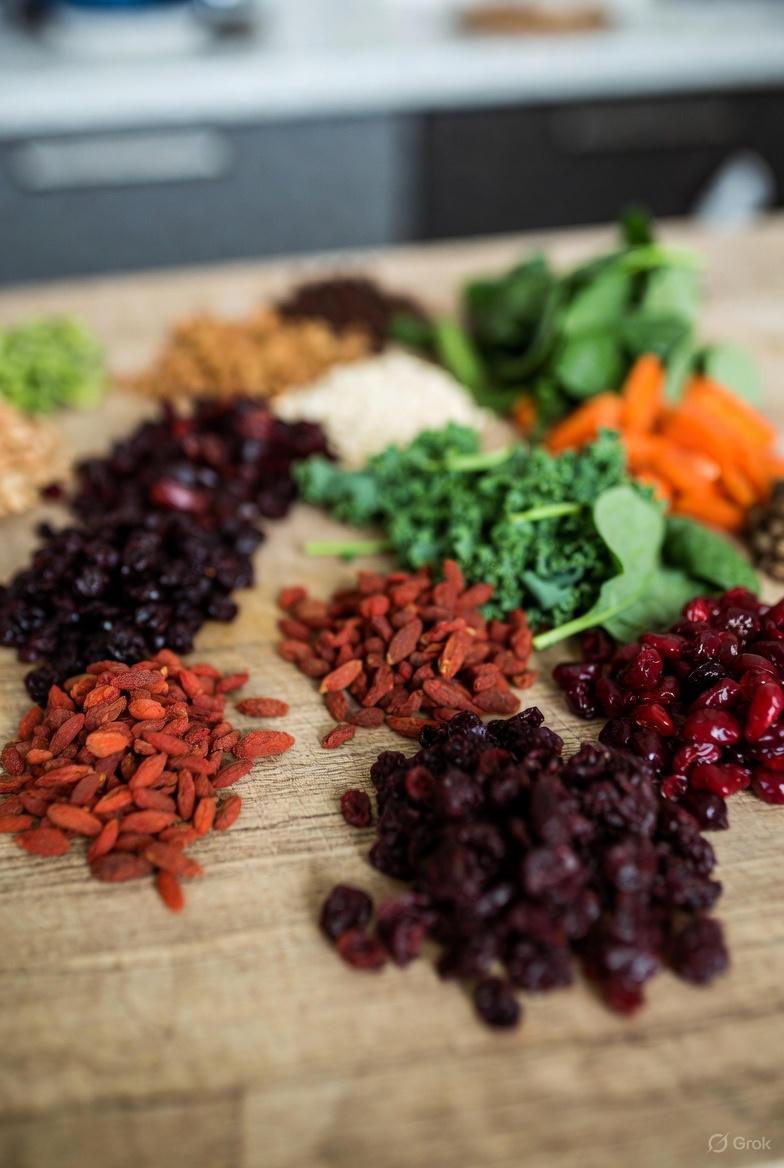
1. Berries: Nature’s Antioxidant Powerhouses
Berries like strawberries, blueberries, and raspberries are packed with vitamins and compounds that research highlights for their potential benefits. For instance, a study in the American Journal of Clinical Nutrition found that regular berry consumption is associated with lower inflammation markers.
Why consider them? They’re low in potassium, making them a smart choice for balanced diets. Plus, their natural sweetness curbs cravings for sugary treats.
To incorporate them: Start your day with a handful in oatmeal. Or blend them into smoothies for a refreshing twist. Aim for one cup daily—it’s an easy step toward better habits.
But wait, there’s more: berries also support heart health, which ties into kidney wellness. Next up, a zesty option.
2. Citrus Fruits: A Burst of Vitamin C
Lemons, oranges, and grapefruits bring a tangy flavor while offering vitamin C, which acts as an antioxidant. According to research from the National Institutes of Health, adequate vitamin C intake may aid in reducing oxidative damage in the body.
These fruits are also hydrating, helping maintain fluid balance. Their low calorie count makes them ideal for weight management, another factor in overall health.
Actionable tip: Squeeze lemon into water for a daily detox-inspired drink. Or add orange segments to salads. Try this three-step routine: Slice, squeeze, sip—repeat morning and evening.
Sự thật là, citrus can elevate mundane meals. Imagine transforming plain yogurt into a gourmet treat. Moving on to a crisp favorite.
3. Apples: The Classic Fiber Source
An apple a day? There’s wisdom in that saying. Apples provide soluble fiber like pectin, which studies in the Journal of Nutrition link to improved digestive health and stable blood sugar levels.
They’re also rich in quercetin, a flavonoid with anti-inflammatory properties, as noted in research from Harvard Health.
For kidney-friendly eating, choose fresh over processed. This keeps sodium low.
Here’s how to make it actionable: Core and slice an apple, then dip in nut butter for a snack. Or bake them with cinnamon for a warm dessert. Follow these steps: Wash, slice thinly, enjoy with tea.
But that’s not the end—apples pair well with other foods on this list. Let’s explore a savory bulb next.
4. Garlic: Flavor with Potential Benefits
Garlic isn’t just for warding off vampires; it’s loaded with allicin, a compound that research in the Molecular Nutrition & Food Research journal associates with cardiovascular support.
Its low potassium content makes it versatile for various diets. Plus, it adds zest without extra salt.
To use it: Mince a clove and sauté with vegetables. Or roast whole bulbs for a spreadable treat.
Step-by-step: Peel, crush, let sit for 10 minutes to activate compounds, then cook. This maximizes flavor and nutrients.
Here’s the intriguing bit: garlic can transform simple dishes into health-focused meals. Now, for a healthy fat.
5. Olive Oil: The Mediterranean Staple
Extra virgin olive oil is renowned for its monounsaturated fats. A meta-analysis in the New England Journal of Medicine connects Mediterranean diets, heavy on olive oil, to better metabolic health.
It’s a great alternative to processed oils, potentially reducing inflammation as per studies.
Incorporate it by drizzling over salads or using in cooking. Limit to two tablespoons daily to keep calories in check.
Quick guide: Measure, pour over greens, toss gently. It’s that simple.
But hold on—this oil isn’t just for drizzling; it enhances absorption of other nutrients. Let’s talk protein sources.
6. Fatty Fish: Omega-3 Rich Options
Salmon, mackerel, and sardines offer omega-3 fatty acids, which the American Heart Association links to reduced inflammation.
These fish are also high in protein but moderate in phosphorus, suitable for balanced intake.
Preparation tip: Grill or bake with herbs. Avoid frying to keep it light.
Follow this: Season with lemon, bake at 375°F for 15 minutes, serve with veggies.
Sự thật là, fatty fish can make dinners exciting. Pair it with greens for a complete meal. Speaking of greens…
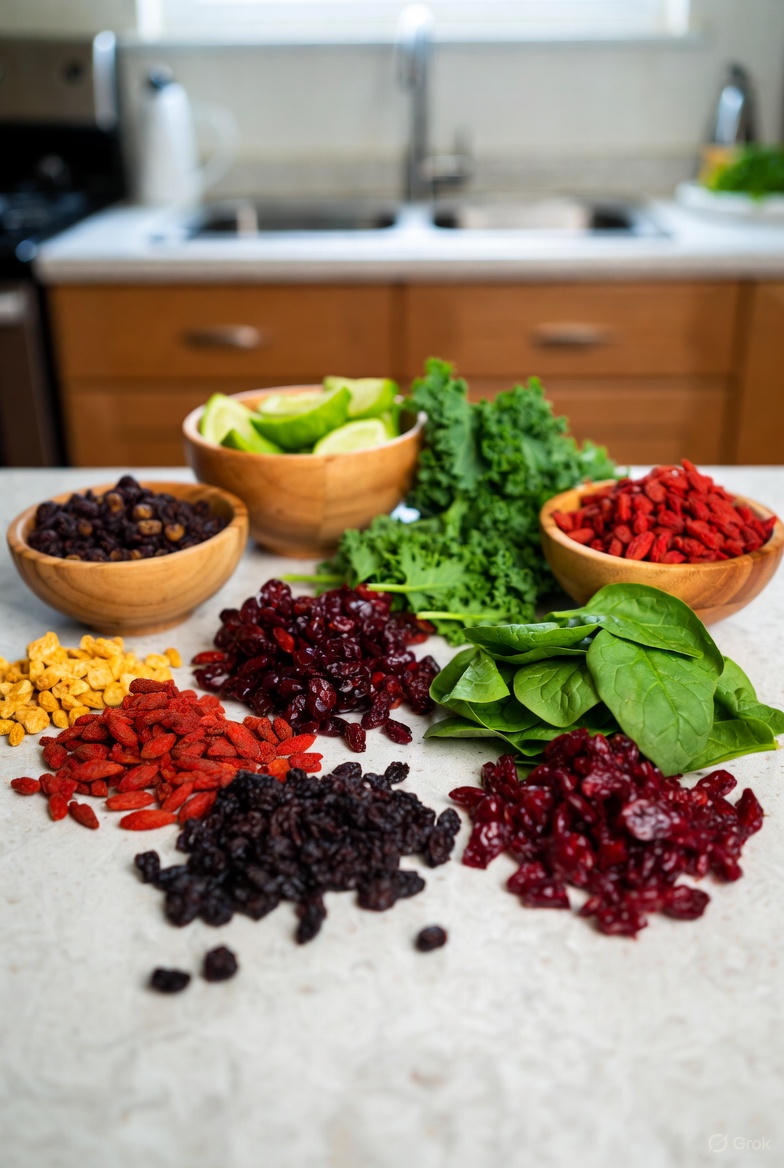
7. Leafy Greens: Versatile and Nutrient-Dense
Kale, spinach, and Swiss chard provide vitamins A, C, and K. Research in the British Journal of Nutrition shows that leafy greens contribute to antioxidant intake.
They’re low in calories and high in fiber, aiding digestion.
To add them: Sauté or blend into soups. Start small if you’re new to them.
Step-by-step: Rinse, chop, steam for five minutes. Add garlic for flavor.
But that’s not all—these greens are budget-friendly. Finally, the surprise one.
8. Cucumbers: Hydration Heroes
Here’s the reveal: cucumbers are more than salad fillers. Composed mostly of water, they support hydration, crucial for kidney function, as emphasized by the Mayo Clinic.
They’re low in calories and provide potassium in moderation. Studies suggest their antioxidants may help combat free radicals.
Make it part of your routine: Slice and infuse in water. Or eat as snacks with hummus.
Actionable steps: Wash, slice into rounds, chill, and munch throughout the day.
Imagine cooling off with cucumber water on a hot day—refreshing and supportive.
Comparing Nutrient Profiles: A Quick Overview
To help you choose, here’s a simple table comparing key nutrients in these foods (per 100g serving, approximate values from USDA data):
| Food | Calories | Vitamin C (mg) | Fiber (g) | Key Benefit Note |
|---|---|---|---|---|
| Berries | 50 | 20 | 3 | High antioxidants |
| Citrus Fruits | 40 | 50 | 2 | Hydration boost |
| Apples | 52 | 5 | 2.4 | Soluble fiber |
| Garlic | 149 | 31 | 2 | Anti-inflammatory compounds |
| Olive Oil | 884 | 0 | 0 | Healthy fats |
| Fatty Fish | 200 | 0 | 0 | Omega-3s |
| Leafy Greens | 25 | 30 | 2 | Vitamins A, C, K |
| Cucumbers | 15 | 3 | 0.5 | High water content |
This breakdown shows variety—mix them for balanced nutrition.
Additional Tips for Incorporating These Foods
Beyond individual foods, consider these habits:
- Meal Planning: Batch prep salads with berries, cucumbers, and greens.
- Portion Control: Use smaller plates to avoid overeating.
- Hydration Pairing: Drink water with lemon or cucumber slices daily.
Research from the World Health Organization supports diverse, plant-based eating for long-term wellness.
Wrapping It Up: Small Steps for Big Impact
Incorporating these eight foods—berries, citrus, apples, garlic, olive oil, fatty fish, leafy greens, and cucumbers—can be a flavorful way to support your wellness routine. Remember, consistency is key; start with one or two and build from there. By focusing on nutrient-rich choices, you’re investing in your daily energy and comfort.
FAQ
What are some easy ways to add these foods to my diet without much cooking?
Try no-cook options like berry smoothies, cucumber salads, or apple slices with olive oil dressing. These take under 10 minutes and fit busy schedules.
Are there any foods to avoid for kidney health?
While this varies by individual, limiting high-sodium processed foods and excessive protein is often suggested in general guidelines from health experts.
How soon might I notice changes from eating these foods?
Changes depend on your overall lifestyle, but many report feeling more energized within weeks. Always track how you feel and consult professionals for personalized advice.
Disclaimer: This article is for informational purposes only and not intended as medical advice. Consult a healthcare provider before making dietary changes, especially if you have existing health conditions.