Waking up multiple times at night to use the bathroom can be exhausting. That constant urge during the day, the hesitation or weak flow—these disruptions affect millions of men as they age, often linked to changes in the prostate gland. It’s frustrating when simple activities become interrupted by bladder discomfort, leaving you feeling tired and less confident.
Many men experience these common issues with benign prostatic hyperplasia (BPH), a non-cancerous enlargement of the prostate that presses on the urethra. The good news is that certain lifestyle habits and natural ingredients may help support better urinary flow and overall comfort. And there’s one surprisingly simple evening ritual that countless men are turning to—we’ll reveal it a bit later, along with easy ways to try it yourself.

Understanding Prostate Changes and Bladder Comfort
As men get older, the prostate—a walnut-sized gland below the bladder—naturally tends to enlarge. This is extremely common: by age 60, over half of men notice some effects, and the number rises with time.
Research shows that inflammation and hormonal shifts play a role in these changes. While it’s not preventable entirely, studies suggest that antioxidants and plant compounds can help maintain healthy prostate function and ease lower urinary tract symptoms.
But that’s not all—diet and daily routines matter too. Let’s explore some evidence-based options.
Popular Herbal Options That May Support Prostate Wellness
Several herbs have been studied for their potential to promote bladder ease and prostate comfort. Here’s a closer look at a few standouts:
- Stinging Nettle Root: This herb has a long history in European traditional medicine. Multiple clinical trials, including a randomized study of 100 patients, indicate that nettle root can help reduce urinary frequency and improve flow in men with BPH symptoms.
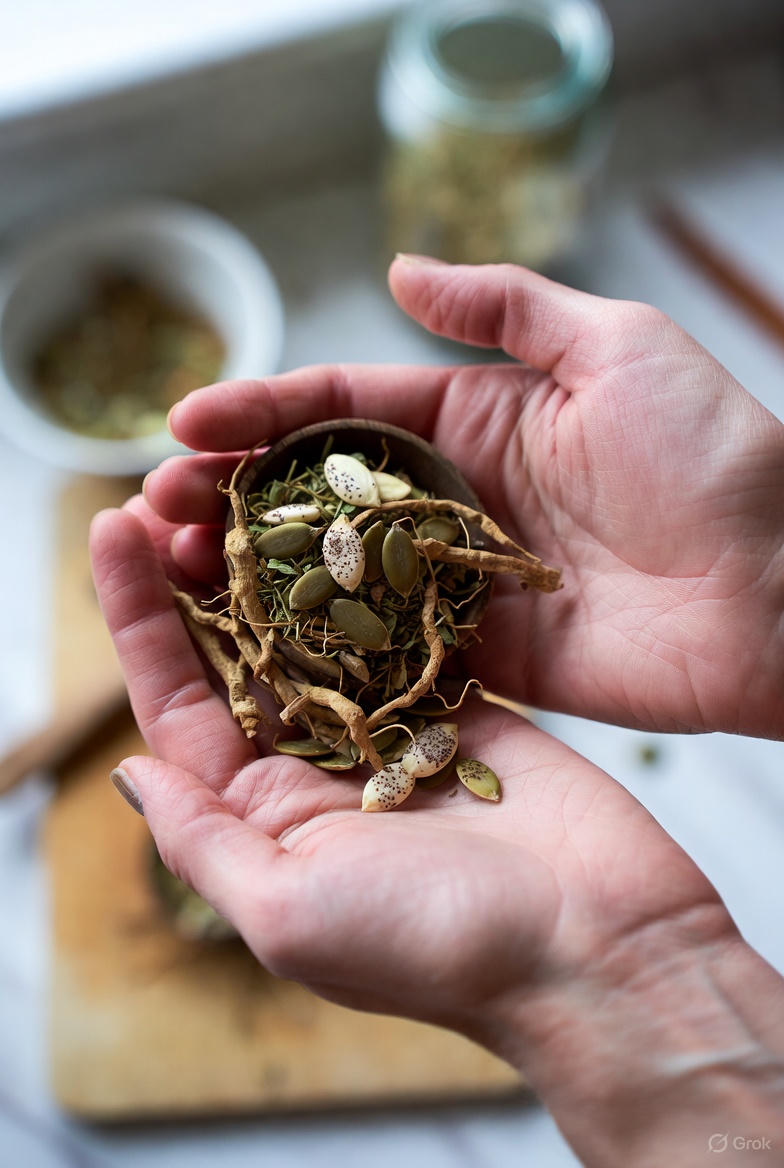
- Pumpkin Seeds: Rich in zinc and phytosterols, pumpkin seeds are another favorite. A one-year placebo-controlled trial with over 1,400 men found that pumpkin seed consumption led to noticeable improvements in International Prostate Symptom Scores (IPSS).
- Saw Palmetto: Often combined with other herbs, saw palmetto extracts show promise in supporting urinary health, according to reviews from sources like Medical News Today.
- Green Tea: Packed with catechins, green tea’s antioxidants may help reduce inflammation. Some studies link regular consumption to better prostate support.
These aren’t miracle fixes, but incorporating them thoughtfully could make a difference over time.
The Benefits of Herbal Teas for Daily Prostate Support
One of the easiest ways to include these supportive ingredients is through a warm evening tea. Sipping a soothing herbal blend before bed may promote relaxation while delivering plant compounds directly.
Research highlights teas made from stinging nettle root or pumpkin seeds as particularly helpful. For instance:
- Nettle tea provides anti-inflammatory effects that target prostate tissue.
- Pumpkin seed infusions offer zinc, essential for prostate function.
Men in studies who added these teas to their routine often reported fewer nighttime trips and better daytime comfort.
Here’s a quick comparison of common herbal teas for prostate support:
| Herbal Tea | Key Compounds | Potential Benefits Supported by Studies | Best Time to Drink |
|---|---|---|---|
| Stinging Nettle Root Tea | Lignans, polysaccharides | May improve urine flow and reduce frequency | Evening |
| Pumpkin Seed Tea | Phytosterols, zinc | Supports bladder emptying and symptom relief | Morning or evening |
| Green Tea | Catechins (EGCG) | Antioxidant effects for overall prostate wellness | Afternoon |
| Saw Palmetto Tea | Fatty acids | Helps with urinary hesitation | Evening |
This variety lets you choose based on taste and needs.
Actionable Tips: How to Incorporate Herbal Teas into Your Routine
Ready to try? Here are step-by-step guides for simple, at-home preparations:
Simple Stinging Nettle Root Tea
- Use 1-2 teaspoons of dried nettle root (available at health stores or online).
- Add to 8-10 ounces of boiling water.
- Steep covered for 10-15 minutes.
- Strain and enjoy plain or with a touch of honey.
- Drink one cup in the evening, up to twice daily.
Pumpkin Seed Herbal Blend
- Lightly roast 2 tablespoons of raw pumpkin seeds for better flavor.
- Grind coarsely or use whole.
- Simmer in 2 cups of water for 15 minutes.
- Strain and sip warm.
- Add a pinch of cinnamon for taste—aim for one serving nightly.
Start slowly to see how your body responds. Combine with habits like pelvic floor exercises (Kegels) or walking 30 minutes daily for added support.
But here’s the interesting part: many men find that consistency with one specific tea yields the most noticeable comfort. Which one? Keep reading.
Lifestyle Habits That Complement Herbal Support
Beyond teas, small changes can enhance results:
- Stay hydrated during the day but taper fluids after dinner.
- Include anti-inflammatory foods like tomatoes (lycopene-rich) and berries.
- Maintain a healthy weight—studies link excess belly fat to worse symptoms.
- Limit caffeine and alcohol, which can irritate the bladder.
These habits, paired with herbal teas, create a holistic approach.
The Evening Ritual Many Men Swear By
That simple ritual we mentioned? It’s enjoying a warm cup of stinging nettle root tea about an hour before bed. Why this one?
Clinical evidence, including double-blind studies, points to its ability to support better bladder emptying and fewer interruptions at night. Combined with pumpkin seeds or green tea earlier in the day, it forms a gentle, natural routine.
Thousands of men incorporate this without drastic changes—and report feeling more rested and in control.
Frequently Asked Questions
1. How long before I notice any difference from herbal teas?
Most studies show improvements in 4-12 weeks with daily use, though some feel benefits sooner. Consistency is key.
2. Are there any side effects with these herbs?
Generally well-tolerated, but mild stomach upset can occur. Nettle may interact with blood thinners or diabetes meds—check labels.
3. Can women drink these teas too?
Yes, stinging nettle and pumpkin seed teas support general urinary and anti-inflammatory health for anyone.
In summary, while prostate changes are common with age, supportive habits like herbal teas offer a natural way to promote comfort. From stinging nettle’s proven track record to pumpkin seeds’ nutrient boost, these options empower you to take gentle steps toward better days—and nights.
Important Disclaimer: This article is for informational purposes only and not medical advice. Herbal remedies may support wellness but do not diagnose, treat, cure, or prevent any disease. Always consult your healthcare provider before starting new routines, especially if you have health conditions or take medications. Individual results vary.