As we enter our 50s and beyond, many of us notice subtle changes in our skin, hair, joints, and overall energy levels that can make everyday life feel a bit more challenging. These shifts often stem from natural aging processes, like drier skin or occasional discomfort in movement, leaving us searching for simple ways to support our well-being without overcomplicating things. Incorporating natural options like castor oil into a routine might offer some gentle support, drawing from its long history in traditional practices. But what exactly makes this age-old remedy worth considering? Stick around to uncover a surprising historical fact about castor oil that might change how you view it.

What Is Castor Oil and Why Consider It After 50?
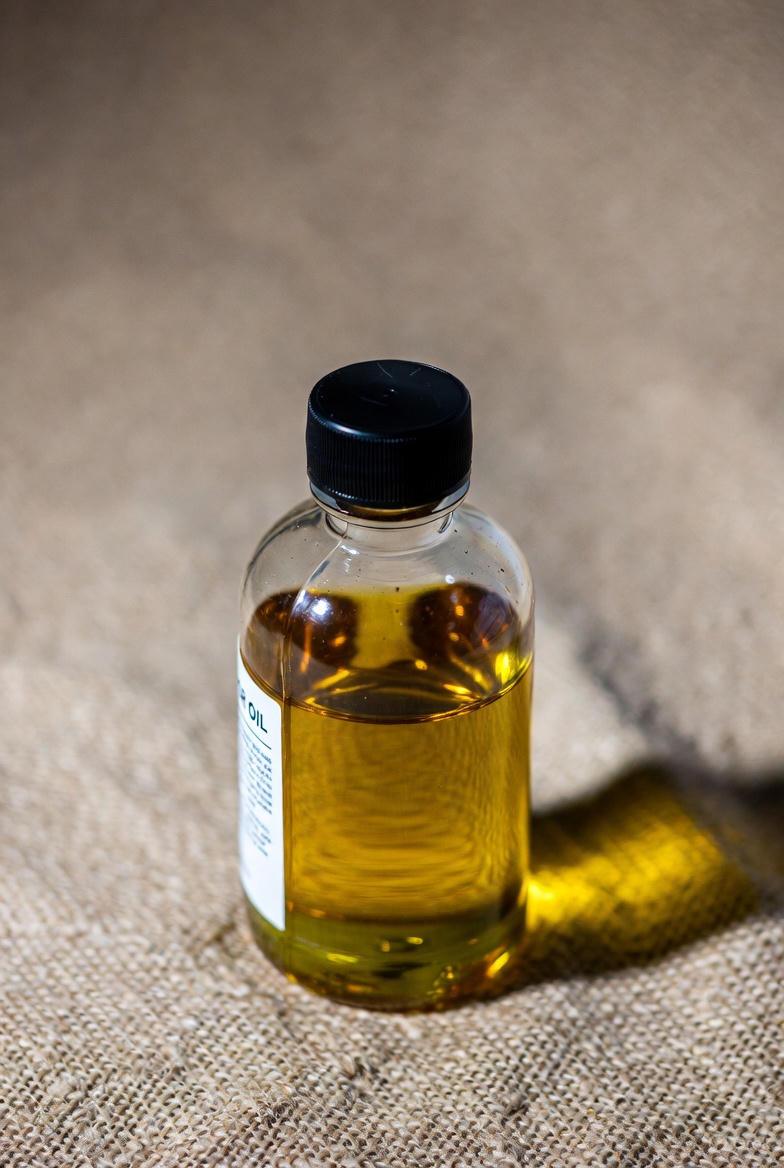
Castor oil comes from the seeds of the Ricinus communis plant, a thick, pale yellow liquid known for its versatility. It’s been used for centuries in various cultures for skin care, hair maintenance, and digestive support. After age 50, when our bodies might experience more dryness or minor aches, exploring natural oils like this one can be a gentle addition to self-care.
But that’s not all. Research from sources like the National Institutes of Health suggests castor oil contains ricinoleic acid, a fatty acid that may contribute to its moisturizing properties. This component is what sets it apart from other oils.
A Brief History of Castor Oil
Dating back to ancient Egypt, castor oil was used in lamps, as a base for perfumes, and even in mummification processes. Fast forward to modern times, and it’s commonly found in cosmetics and over-the-counter products. Interestingly, during World War I, it was used as a lubricant for aircraft engines due to its high viscosity.
Potential Ways Castor Oil Supports Skin Health After 50
Skin often becomes drier and less elastic with age, leading to concerns like fine lines or rough patches. Castor oil’s emollient nature might help by providing hydration when applied topically.
Here’s how you can try it:
- Cleanse your face: Start with a gentle wash to remove dirt.
- Apply a small amount: Use a few drops on damp skin.
- Massage gently: Focus on areas prone to dryness.
- Leave overnight: For deeper absorption, apply before bed.
Studies, such as those published in the Journal of Cosmetic Dermatology, indicate that oils rich in fatty acids can support skin barrier function. However, individual results vary.
And here’s something to note: Always patch test first to avoid irritation.
Exploring Castor Oil for Hair and Scalp Care in Later Years
Hair thinning or dryness can be common after 50, influenced by hormonal changes or environmental factors. Castor oil is often praised for its potential to nourish the scalp due to its nutrient profile.
The truth is, its antimicrobial properties, as noted in research from the International Journal of Trichology, might help maintain a healthy scalp environment.
Step-by-Step Hair Application Guide
- Warm a tablespoon of castor oil slightly for better absorption.
- Part your hair and apply to the scalp using your fingertips.
- Massage for 5 minutes to stimulate circulation.
- Cover with a shower cap and leave for 30 minutes.
- Shampoo thoroughly to remove residue.
This routine can be done once a week. Many users report softer hair, but consistency is key.
How Castor Oil Might Aid Joint Comfort and Mobility
As we age, joints may feel stiffer from daily wear and tear. Traditional uses of castor oil include applying it as a pack for targeted areas.
But wait, there’s more. A study in the journal Phytotherapy Research explored ricinoleic acid’s potential role in supporting comfort through its interaction with the skin.
Creating a Simple Castor Oil Pack
- Soak a cloth in castor oil.
- Place it on the joint area.
- Cover with plastic wrap and a heating pad.
- Relax for 20-30 minutes.
- Repeat 3-4 times a week.
This method draws from Ayurvedic practices and is easy to do at home.
Digestive Wellness Considerations with Castor Oil
Occasional constipation can become more frequent after 50 due to slower metabolism or dietary changes. Castor oil has a long-standing reputation as a natural laxative when taken orally.
Sự thật là, the FDA recognizes it as safe for this purpose in small doses. However, it’s crucial to use it sparingly.
Safe Usage Tips for Digestion
- Consult a healthcare provider before internal use.
- Start with 1 teaspoon mixed in juice.
- Take on an empty stomach.
- Avoid if you have certain health conditions.
Research from the World Journal of Gastroenterology supports its laxative effects, but moderation is essential.
Comparing Castor Oil to Other Natural Oils
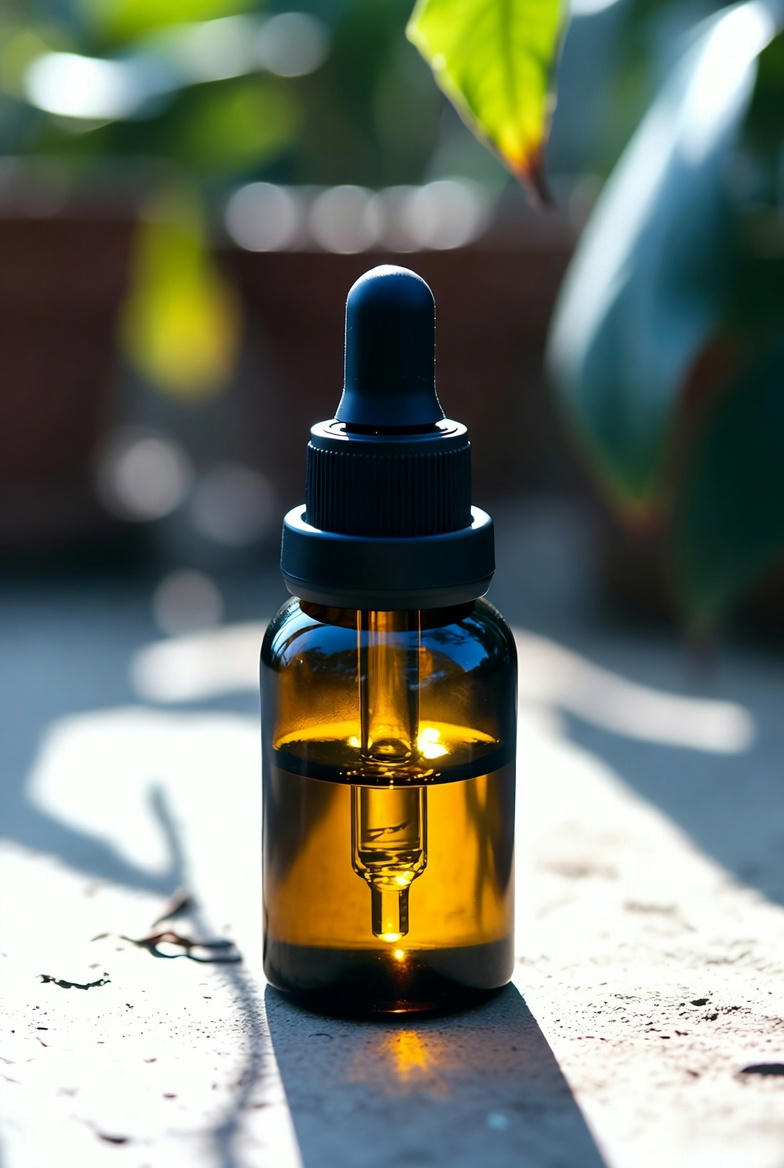
To help you decide if castor oil fits your routine, here’s a simple comparison table:
| Oil Type | Key Component | Common Uses After 50 | Texture |
|---|---|---|---|
| Castor Oil | Ricinoleic Acid | Skin, Hair, Joints | Thick, Viscous |
| Coconut Oil | Lauric Acid | Moisturizing, Cooking | Semi-Solid |
| Olive Oil | Oleic Acid | Skin, Heart Health | Light, Fluid |
| Argan Oil | Vitamin E | Hair, Anti-Aging | Lightweight |
This overview shows castor oil’s unique thickness makes it ideal for targeted applications.
Incorporating Castor Oil into Your Daily Routine Safely
Starting small is the best approach. Begin with topical uses to see how your body responds.
Here’s a beginner’s checklist:
- Purchase cold-pressed, hexane-free castor oil for purity.
- Store in a cool, dark place.
- Combine with carrier oils like jojoba for easier application.
- Track any changes in a journal.
Studies from Harvard Health Publishing emphasize listening to your body when trying new routines.
And the interesting part? Many people over 50 find it becomes a relaxing ritual.
Potential Side Effects and Precautions
While generally safe, castor oil can cause skin irritation or digestive upset if overused.
The key is awareness. Pregnant individuals or those with allergies should avoid it.
Research indicates rare allergic reactions, so starting slow helps.
Conclusion
Exploring castor oil after 50 can be a simple way to support various aspects of wellness, from skin hydration to occasional digestive needs. By understanding its properties and using it mindfully, you might find it a valuable addition to your routine. Remember that natural options complement, not replace, professional advice.
Frequently Asked Questions (FAQ)
- Can I use castor oil every day after 50?
It depends on the application. For skin or hair, daily topical use in small amounts is often fine, but for internal use, limit to occasional needs and consult a doctor. - Where can I buy quality castor oil?
Look for organic, cold-pressed varieties at health stores or online retailers. Check labels for purity to ensure no additives. - Is castor oil suitable for all skin types over 50?
It’s generally good for dry skin, but those with oily or sensitive skin should patch test. Adjust based on your skin’s response.
Disclaimer: This article is for informational purposes only and not intended as medical advice. Always consult a healthcare professional before starting any new routine, especially if you have underlying health conditions.
(Word count: 1,248)