As we age, many of us notice our skin starting to look a bit duller, with fine lines becoming more visible and an uneven tone creeping in. It can feel frustrating—those changes happen gradually, yet they impact how fresh and radiant we feel each morning. You’ve likely tried various creams or routines hoping for that glowing, smoother appearance, only to wonder if there’s a gentler, more natural approach.
But that’s not the end of the story. Some people turn to everyday kitchen ingredients for simple at-home ideas that might support brighter-looking skin. And here’s where things get interesting: one common pantry staple often comes up in these conversations, leading to all sorts of creative mixtures. Keep reading to discover what the buzz is about and how you might explore it safely.
What Is Baking Soda, and Why Do People Use It on Skin?
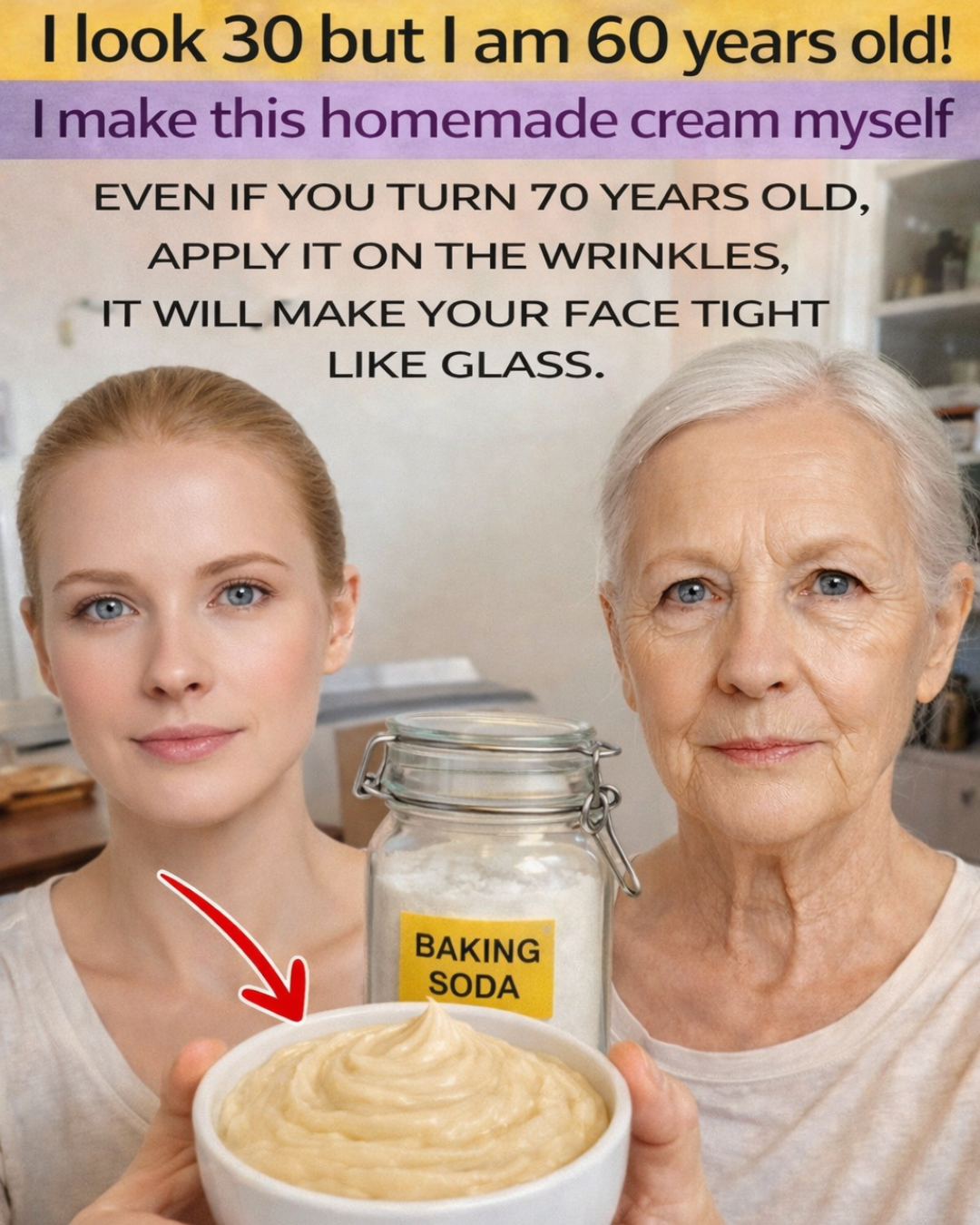
Baking soda, or sodium bicarbonate, is a mild alkaline powder you’ve probably used for baking or cleaning. In skincare discussions, it’s popular because it can act as a gentle physical exfoliant, helping remove dead skin cells that build up on the surface.
Research shows that mild exfoliation in general can contribute to a smoother texture and brighter appearance over time, as it encourages cell turnover. For example, studies on exfoliants note they may help reveal fresher skin underneath. However, baking soda’s higher pH (around 9) differs from the skin’s natural slightly acidic barrier (about 4.5–5.5), so experts emphasize caution.
Dermatologists often point out that while some find it helpful for occasional use, it’s not suitable for everyone or daily routines.
Potential Benefits of Trying Baking Soda in Homemade Skin Mixtures
Many share anecdotal experiences of using baking soda mixtures for a refreshed look. Here’s what people commonly report:
- Smoother texture: The gentle abrasiveness can buff away dull flakes, leaving skin feeling softer temporarily.
- Brighter appearance: By removing surface buildup, it might help skin reflect light better for a more radiant glow.
- Oil balance: Its absorbent nature can mattify oily areas, which some find useful.
But remember, these are personal stories—scientific evidence specifically for baking soda on facial skin is limited, and it’s not a replacement for proven skincare habits like moisturizing or sun protection.
Here’s a quick comparison of common uses:
| Use | How It Might Help | Frequency Suggested by Users |
|---|---|---|
| Gentle exfoliation | Removes dead cells for smoother feel | 1–2 times per week |
| Spot treatment | Absorbs excess oil | Occasionally |
| In baths | Soothes itchiness (backed by some studies for conditions like eczema) | As needed |
Understanding the Risks and Why Caution Matters
While baking soda is generally safe in small amounts, applying it to the face can disrupt the skin’s protective barrier. Dermatologists frequently warn about potential side effects:
- Dryness or irritation
- Redness and sensitivity
- Increased vulnerability to breakouts if the barrier is compromised
Sources like Healthline and dermatologist opinions stress that it’s too harsh for regular facial use, especially for sensitive or dry skin types. Always patch test first.
The truth is, overuse can lead to more problems than it solves. That’s why gentler alternatives often get recommended instead.
How to Safely Try a Simple Baking Soda Mixture at Home
If you’re curious and have normal to oily skin (not sensitive), here’s a basic way some people prepare an overnight “cream” idea—though most experts suggest shorter contact times.
Basic Exfoliating Paste (Not for Overnight)
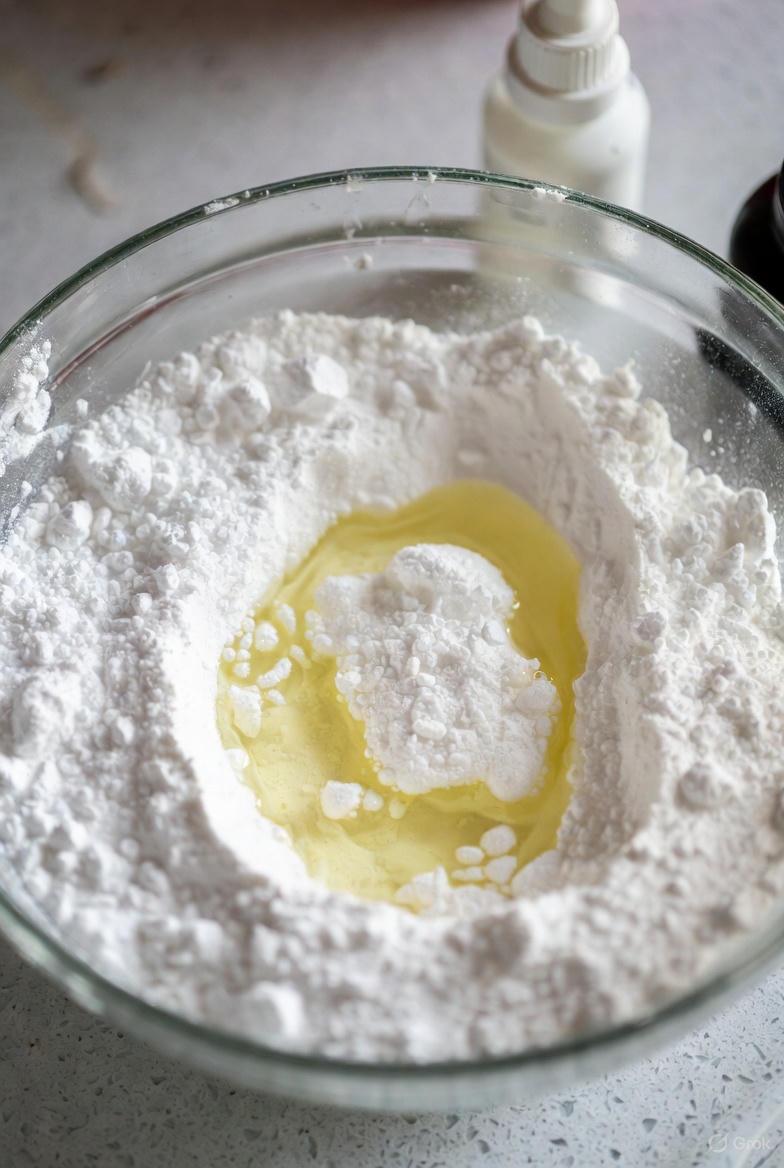
- Mix 1 teaspoon baking soda with enough water or a soothing ingredient like honey to form a paste.
- Gently massage onto damp skin for 30–60 seconds.
- Rinse thoroughly with lukewarm water.
- Follow with a moisturizer immediately.
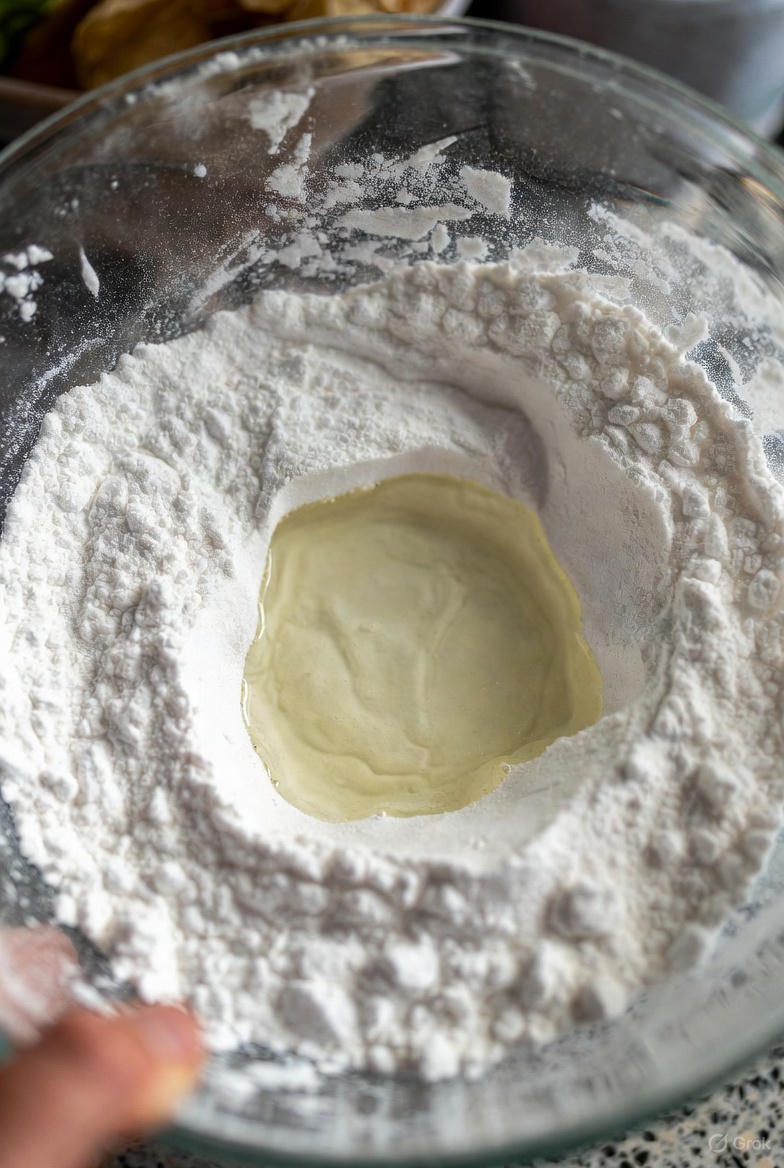
For a creamier feel, some add coconut oil:
- 1 teaspoon baking soda
- 1–2 teaspoons coconut oil
Apply as a thin layer, leave for 5–10 minutes max, then rinse. Do not leave overnight.
Step-by-Step Tips for Safe Use
- Start with clean, damp skin.
- Use very light pressure—no scrubbing hard.
- Limit to 1–2 times weekly.
- Always moisturize after.
- Stop immediately if you feel stinging or see redness.
This is the part that’s key: listen to your skin and prioritize gentle care.
Better Alternatives for Brighter, Smoother Skin
If baking soda feels too risky, consider these evidence-backed options:
- Chemical exfoliants: Like lactic or glycolic acid for gentle cell turnover.
- Niacinamide: Helps even tone and brighten.
- Vitamin C serums: Support radiance with antioxidant protection.
- Daily sunscreen: Prevents dullness and lines—studies show it’s the top anti-aging habit.
Many dermatologists recommend these over abrasive DIYs.
Wrapping It Up: Focus on What Works Best for You
Exploring natural ingredients like baking soda can be fun, but the goal is healthy, happy skin—not quick fixes that might backfire. Consistent gentle care, hydration, and protection yield the most noticeable, lasting glow.
Start small, observe how your skin responds, and consider chatting with a dermatologist for personalized advice.
Frequently Asked Questions
Is baking soda safe to use on the face every day?
No, most experts advise against daily use due to potential irritation and pH disruption. Limit to occasional if trying at all.
Can baking soda mixtures really brighten skin overnight?
Temporary smoothness or brightness is possible from exfoliation, but lasting changes come from ongoing habits, not one-night applications.
What should I do if my skin reacts badly?
Rinse immediately, soothe with a plain moisturizer, and avoid further use. Consult a professional if irritation persists.
Disclaimer: This article is for informational purposes only and not medical advice. Homemade remedies are not proven treatments. Always consult a healthcare professional or dermatologist before trying new skincare ingredients, especially if you have sensitive skin or conditions. Results vary, and some practices may cause irritation.