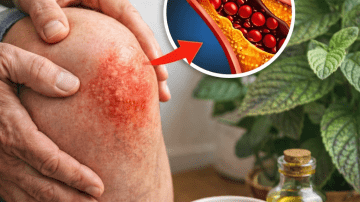
Many people feel self-conscious about darkened skin on knees, elbows, inner thighs and underarms — areas that often appear noticeably darker than the rest of the body even when overall skin tone is fairly even. The contrast becomes more visible in shorts, sleeveless tops or swimwear, leading to reduced confidence and constant covering up. While this hyperpigmentation is extremely common and almost always harmless, it can still feel frustrating when regular body lotion doesn’t seem to make any difference.
The good news? Some of the most effective-looking improvements people report come from very simple, low-cost kitchen combinations used consistently. In this article you’ll find the most popular gentle approach that has been circulating in home-care communities for years — plus practical tips to use it safely and realistically.
Why Do Knees, Elbows and Inner Thighs Get Darker?
The skin in these areas is naturally thicker and experiences more friction, pressure and rubbing every day. Over time this chronic mechanical stress causes the skin to produce extra melanin (the pigment that gives skin its color) as a protective response — a process dermatologists call post-inflammatory hyperpigmentation or simply frictional darkening.
Other common contributing factors include:
- Accumulation of dead skin cells (because thicker skin sheds more slowly)
- Natural hormonal influences (especially during/after pregnancy or with certain birth control)
- Dryness and lack of exfoliation
- Residual product buildup (deodorant, creams, sweat residue)
Understanding that most cases are a normal skin response rather than a medical disorder helps set realistic expectations about how much lighter the skin can become with home care alone.
The Most Talked-About Kitchen Combination Right Now
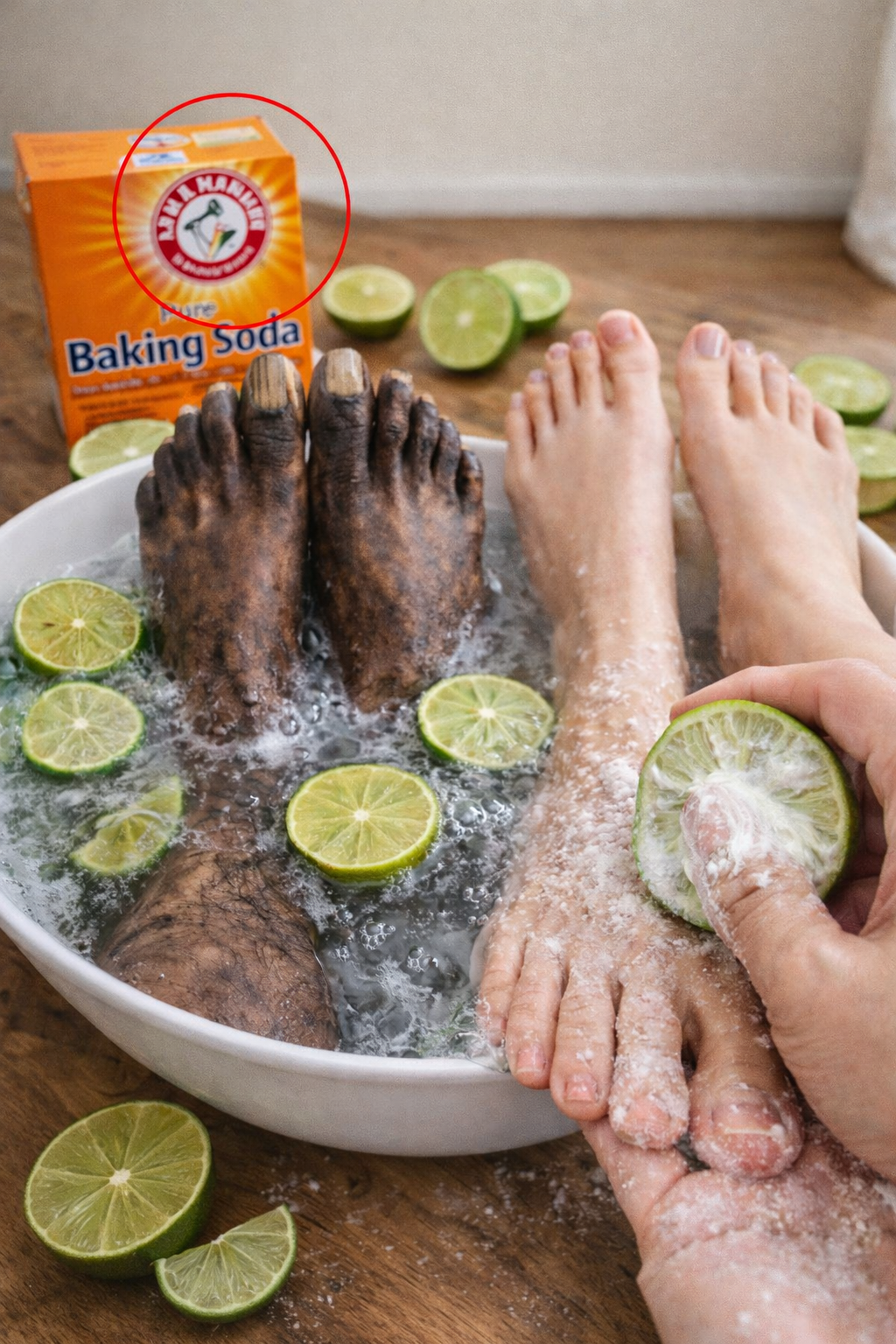
The method you’ve probably seen in viral photos involves baking soda + fresh citrus juice (most commonly lemon or lime). People usually combine the two into a short-contact mask or gentle scrub.
Why do so many people report it helps them look brighter?
- Mild chemical exfoliation — Citric acid (AHA) in fresh lemon/lime juice helps loosen dead surface cells.
- Physical exfoliation — Baking soda provides gentle abrasion when massaged briefly.
- Temporary pH shift and surface cleansing — The combination can remove surface debris and give a smoother-looking texture right after use.
Important Safety Guidelines Before You Start
Never ignore these key safety points — they determine whether the routine helps or irritates:
- Always patch test 24–48 hours on your inner forearm before applying to larger areas
- Never leave the mixture on for more than 5–10 minutes (longer contact dramatically increases irritation risk)
- Do NOT use on broken, freshly shaved, waxed, lasered or sunburned skin
- Avoid daily use — most people get best results with 2–3 times per week maximum
- Always follow with a good moisturizer (barrier repair is essential after any acid + abrasive combination)
- Use real fresh citrus — bottled lemon/lime juice often contains preservatives that can irritate more
How People Are Actually Using the Baking Soda + Citrus Method (Step-by-Step)
Version 1 – Quick 3–5 minute mask (most popular for beginners)
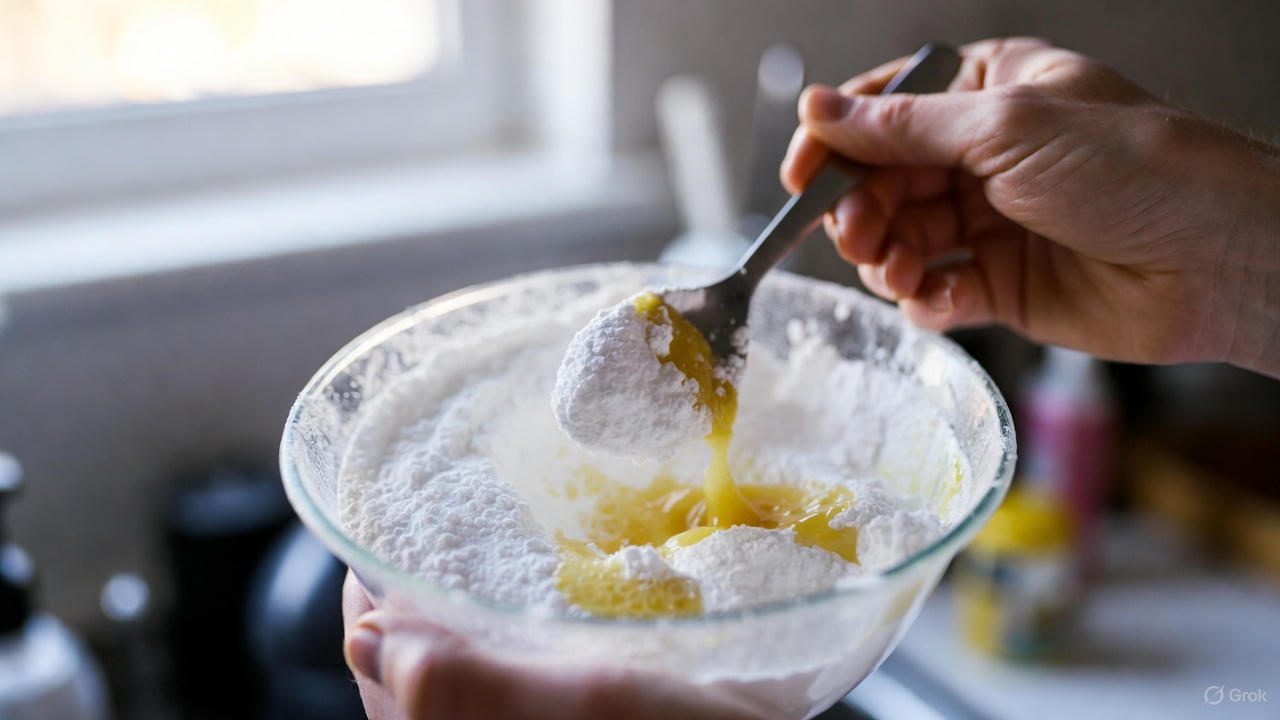
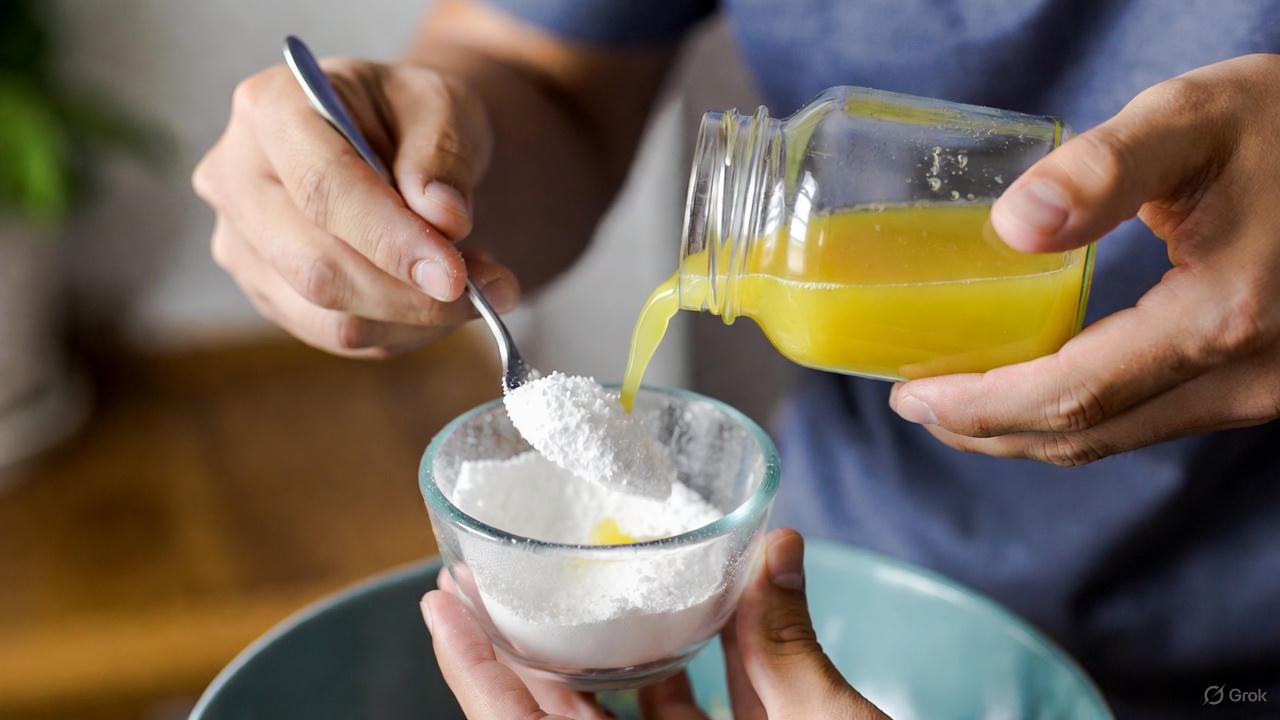
- In a small bowl mix 1–1½ tsp baking soda with just enough fresh lemon or lime juice to form a soft, spreadable paste (not watery).
- Apply a thin layer to clean, dry knees, elbows and/or darkened areas.
- Leave on for 3–5 minutes maximum (set a timer!).
- Gently massage in circular motions with wet fingers for 20–30 seconds, then rinse thoroughly with lukewarm water.
- Immediately apply a thick moisturizer or body oil while skin is still damp.
Version 2 – Slightly stronger weekly scrub (for tougher, very dry areas)
- Mix 2 tsp baking soda + 1 tsp fresh citrus juice + 1 tsp any carrier oil (coconut, sweet almond, jojoba).
- Massage gently for 30–60 seconds then leave on another 2–3 minutes.
- Rinse well and follow with heavy moisturizer.
Realistic Expectations: What Most People Actually See
| Time Frame | Most Commonly Reported Changes |
|---|---|
| After 1–2 uses | Smoother texture, less ashy look, brighter “glow” right after rinsing |
| 3–6 weeks | Gradual lightening of surface-level darkness, more even tone |
| 2–4 months | Noticeable overall improvement when combined with daily moisturizing + friction reduction |
Important: Very stubborn, deep, long-standing darkening often lightens only partially with home methods. Professional options (chemical peels, laser, prescription brighteners) usually give more dramatic results for those cases.
Habits That Make the Biggest Difference Long-Term
The routines that seem to give the most lasting improvement almost always include these supporting habits:
- Daily moisturizing — Use creams containing ceramides, hyaluronic acid, glycerin or urea
- Gentle physical exfoliation — Soft washcloth or konjac sponge 3–4×/week (avoid harsh scrubs)
- Friction reduction — Wear loose cotton clothing, use anti-chafing sticks on inner thighs
- Sun protection — Exposed knees/elbows benefit from SPF 30+ year-round
- Shaving upgrade — Switch to single-blade razors or electric trimmers to reduce post-shave darkening
Bonus: Other Gentle Kitchen Ingredients People Combine
- Plain yogurt or fresh milk + turmeric (very mild lactic acid)
- Oatmeal + honey + small amount of citrus (soothing + mild exfoliation)
- Mashed ripe papaya (natural papain enzyme) used as 5–8 minute mask
- Aloe vera gel as a calming chaser after any exfoliating treatment
Frequently Asked Questions
Q: Is baking soda + lemon safe for dark skin tones? Most dermatologists say it can be used cautiously on all skin tones when contact time is very short (under 5–10 min) and frequency is limited. Darker skin tones are actually more prone to irritation and post-inflammatory hyperpigmentation from overuse, so patch testing and moderation are extra important.
Q: How long until I see lighter skin? Surface brightness and smoother texture often appear within a few uses. Visibly lighter tone usually takes consistent use for 6–12 weeks combined with daily moisturizing and friction reduction.
Q: Can I use this every day? No. Most skin experts recommend 1–3 times per week maximum to avoid barrier damage, rebound darkening and sensitivity.
Bottom Line
The combination of fresh citrus juice and baking soda has become one of the most talked-about DIY approaches for brighter-looking knees, elbows and inner thighs because it’s inexpensive, uses pantry staples and often gives a satisfyingly smoother, more radiant appearance after just a few uses. When done carefully and paired with consistent moisturizing and friction-reducing habits, many people feel more comfortable showing these areas.
Always listen to your skin. If you experience persistent redness, burning, stinging or increased darkness, stop immediately and consult a dermatologist.
This article is for informational purposes only and is not intended to diagnose, treat, cure or prevent any disease. Individual results vary. Please consult a healthcare professional before starting any new skincare routine, especially if you have sensitive skin or chronic skin conditions.