Many people experience occasional back discomfort, neck stiffness, or tension in their shoulders that seems to come out of nowhere, making everyday activities feel more challenging. These sensations can build up over time, affecting how you move, sleep, or even breathe deeply, leaving you searching for ways to feel more at ease in your body. The encouraging part is that simple, consistent practices focused on posture and movement can help promote better spinal alignment and greater overall comfort.
But here’s what often surprises people: the spine’s role in connecting different parts of the body means that supporting its health can have wider benefits than you might expect. Keep reading to explore practical steps you can start today—and why small changes add up over time.

Understanding the Spine’s Important Role in Daily Comfort
Your spine is more than just a structural support—it’s a central pathway for nerves that carry signals between your brain and the rest of your body. These nerves branch out at different levels, influencing sensation and movement in various areas.
Research in neurology shows that nerve pathways from the spine can sometimes lead to sensations of discomfort in distant body parts, a phenomenon known as referred sensations. For example, issues in the upper spine might contribute to feelings of tension in the shoulders or neck.
The truth is, while the spine plays a key role in mobility and posture, maintaining its flexibility and strength through gentle habits is what makes the biggest difference.
How Posture and Movement Influence Spinal Comfort
Daily habits like sitting for long periods or slouching can lead to muscle imbalances around the spine. Over time, this may cause areas of tension or reduced mobility.
Studies from sources like Harvard Health note that poor posture can contribute to back discomfort, headaches, and even breathing challenges by putting extra strain on supporting muscles.
Here’s the interesting part: improving posture doesn’t require drastic changes. Simple awareness and gentle exercises can help realign your body naturally.
Exploring Referred Sensations and Spinal Nerve Pathways
Nerves exiting the spine at different levels connect to various regions. This segmental organization means that tension in one area might influence comfort elsewhere.
Common examples from medical literature include:
- Cervical (neck) region: Often linked to sensations in the head, shoulders, or arms
- Thoracic (mid-back) region: May relate to feelings in the chest, upper back, or abdomen
- Lumbar (lower back) region: Commonly associated with discomfort in the hips, legs, or lower abdomen
Research on referred pain, such as studies in Physiopedia and the Journal of Clinical and Aesthetic Dermatology, explains this through nerve convergence—where signals from different areas meet at the same spinal level.
But that’s not all. Supporting spinal health can help reduce these interconnected sensations over time.
Simple Daily Habits to Promote Better Posture
Good posture starts with small adjustments. Here are evidence-based tips to try:
- Sit with feet flat on the floor and knees at hip level
- Keep screens at eye level to avoid forward head position
- Stand evenly on both feet, with shoulders relaxed
- Take short movement breaks every 30–60 minutes
- Use supportive chairs or cushions when needed
Studies show that consistent posture awareness can improve muscle balance and reduce daily discomfort.
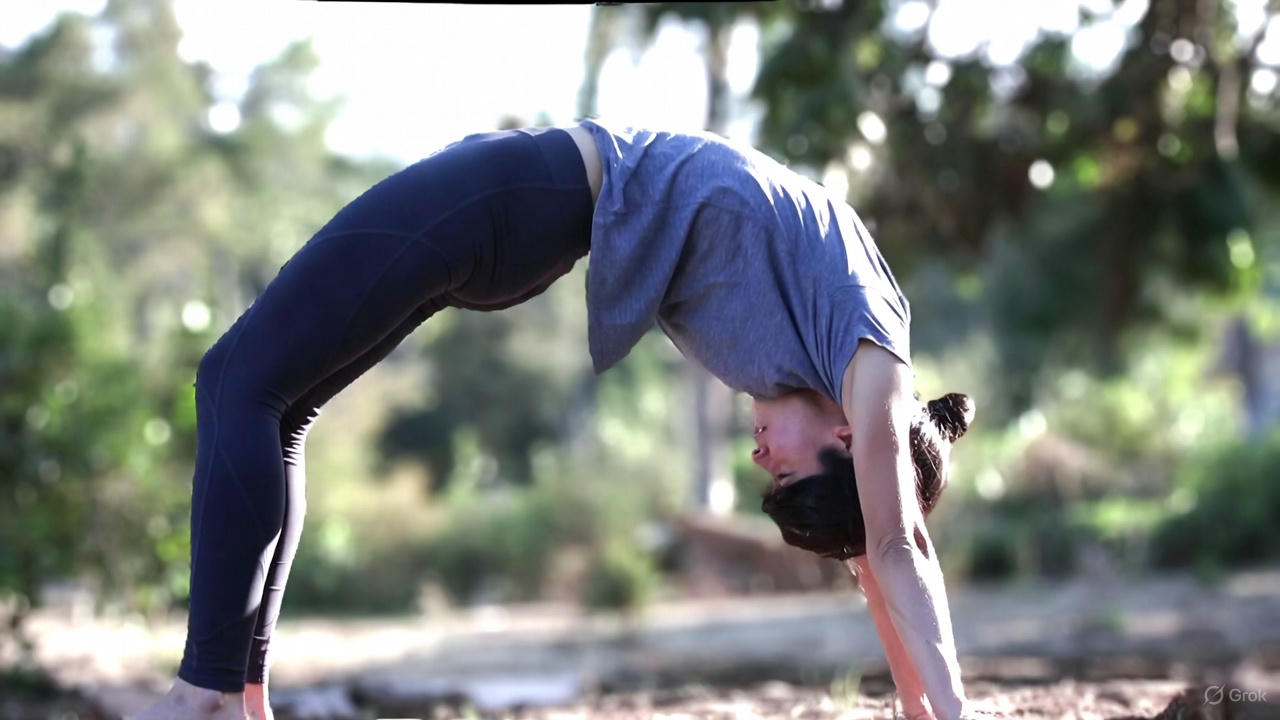
Gentle Exercises and Yoga Poses for Spinal Mobility
Movement is one of the most effective ways to support your spine. Yoga, in particular, has been studied extensively for its benefits.
Research published in journals like Spine and from Johns Hopkins Medicine highlights that regular gentle yoga can:
- Enhance flexibility in the spine and surrounding muscles
- Strengthen core stabilizers for better support
- Promote relaxation and stress reduction
- Improve overall posture and balance
Here’s a simple beginner routine to try at home:
- Cat-Cow Pose: On all fours, alternate arching and rounding your back for 5–10 breaths.
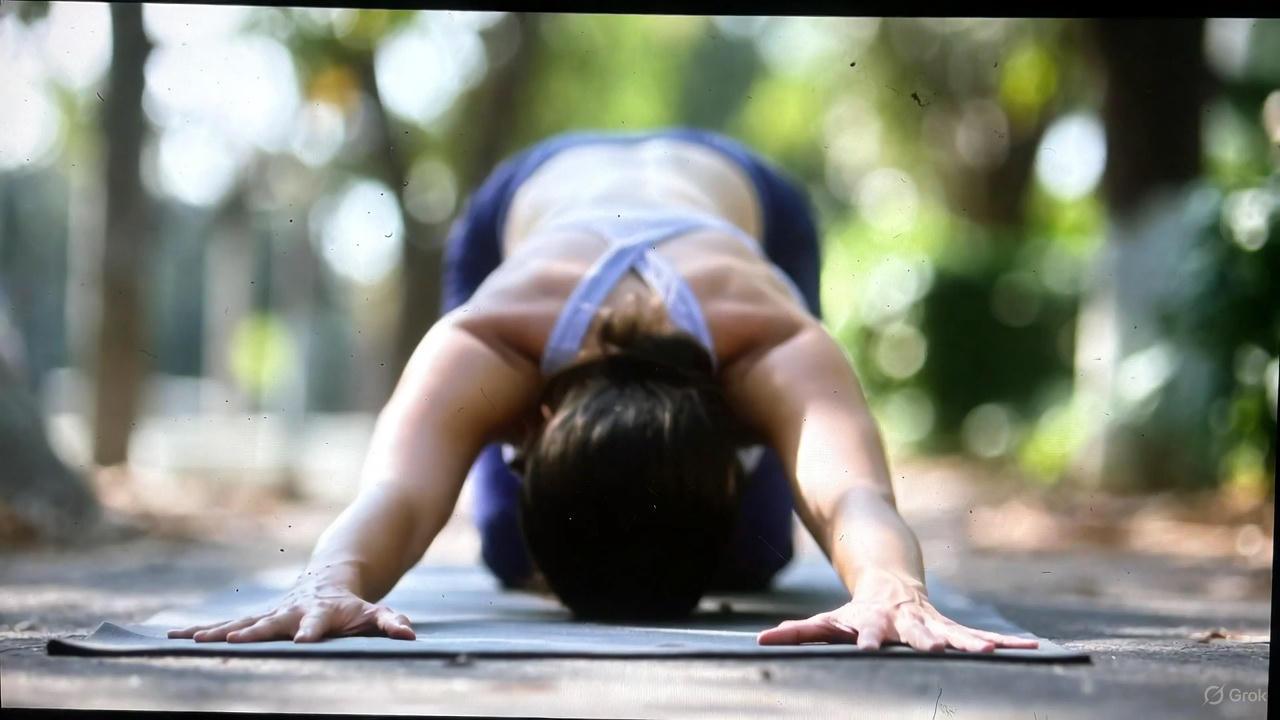
- Child’s Pose: Kneel and fold forward, stretching the lower back gently.
- Downward Dog: Form an inverted V shape to lengthen the spine.
- Seated Twist: Sit tall and gently rotate side to side.
- Corpse Pose: Lie flat for relaxation at the end.
Start with 10–15 minutes daily, listening to your body.
This approach works best when combined with other healthy habits.
Additional Ways to Support Overall Well-Being
Spinal comfort ties into broader lifestyle factors:
- Stay hydrated to keep spinal discs healthy
- Include anti-inflammatory foods like fruits, vegetables, and omega-3s
- Practice deep breathing to reduce tension
- Get regular moderate exercise, like walking
- Prioritize quality sleep on a supportive mattress
Evidence from the American Academy of Dermatology and similar sources emphasizes that these habits contribute to better mobility as we age.
Common Questions About Spinal Health
Many people wonder about the same things. Here are a few:
- Myth: Bad posture directly causes organ problems Reality: While posture affects muscle and joint comfort, organ health involves many factors.
- Myth: Spinal discomfort always means serious issues Reality: Most cases improve with gentle movement and habits.
- Myth: You need intense workouts for benefits Reality: Consistent gentle practices often yield the best results.
The most sustainable path is one that feels manageable and enjoyable.
How Long Before Noticing Improvements?
Many report feeling more comfortable within a few weeks of daily gentle movement. Greater mobility and reduced tension often build over 4–8 weeks.
Everyone’s body responds differently—patience and consistency are key.
The part that encourages most people? Starting small leads to meaningful, lasting changes.
Final Thoughts
Supporting your spine through mindful posture, gentle movement like yoga, and healthy daily habits can enhance comfort, mobility, and overall well-being. These practices empower you to feel more at ease in your body without complicated routines.
Begin with one or two tips today, build gradually, and celebrate the progress along the way.
Frequently Asked Questions
Can gentle yoga help with everyday back stiffness? Yes—many find it promotes flexibility and reduces tension when practiced regularly.
How often should I focus on posture improvements? Daily awareness works best; even short check-ins throughout the day make a difference.
Is walking good for spinal health? Absolutely—it’s a low-impact way to support mobility and core strength.
Disclaimer: This article is for informational purposes only and is not medical advice. Individual experiences vary. Always consult a healthcare professional or qualified instructor for personalized guidance on movement or health concerns.