Many people worried about blood sugar levels hesitate to enjoy fruit, fearing it might cause unwanted spikes despite its natural sweetness and nutrients. This concern feels especially real when juggling daily routines and health goals, as even small choices can seem overwhelming. The good news is that certain fruits, thanks to their fiber and nutrient profile, can fit comfortably into a balanced eating pattern – and there’s a simple way to make smarter selections that we’ll uncover as we go along.

Why Some Fruits Raise Concerns for Blood Sugar Management
Fruit often gets overlooked because it contains natural sugars that can affect glucose levels. For anyone monitoring blood sugar, this can lead to frustration, especially when trying to include healthier foods.
Research shows that the glycemic index (GI) – a measure of how quickly foods raise blood sugar – plays a key role here. Fruits with a lower GI tend to release sugars more gradually, thanks to fiber and other compounds.
But that’s not the whole story. Portion size, ripeness, and how you eat them matter too. The exciting part? Choosing wisely can let you enjoy fruit’s flavors and benefits without unnecessary worry.
The Top 6 Low-Glycemic Fruits to Consider Adding to Your Routine
These options stand out for their lower GI values and nutrient density. Studies, including those published in journals like Diabetes Care, suggest that low-GI fruits may support steadier energy levels when eaten in moderation.
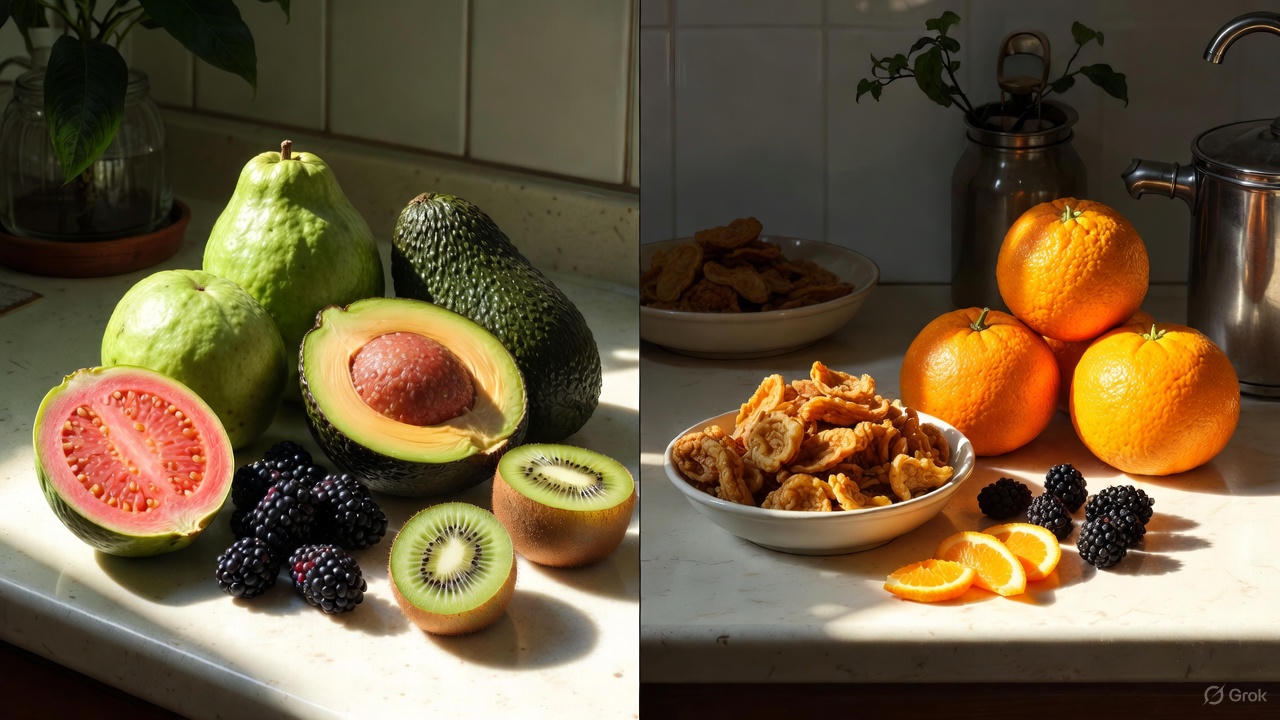
1. Guava – A Fiber-Rich Tropical Favorite
Guava has a very low GI, typically around 12-24, making it one of the gentlest options on blood sugar.
Its high fiber content helps slow digestion, while vitamin C and antioxidants add extra nutritional value.
Try eating it fresh with the skin for maximum benefits – just one medium guava makes a satisfying snack.

2. Avocado – Packed with Healthy Fats
Technically a fruit, avocado has an extremely low GI (around 15 or less) due to its minimal carb content and high healthy fats.
These monounsaturated fats, along with fiber, can help promote feelings of fullness.
Research from sources like Healthline notes avocados may support overall metabolic health.
Add slices to salads or spreads – a quarter to half an avocado is a good starting point.
3. Blackberries – Bursting with Antioxidants
With a GI around 25, blackberries offer a low-impact way to enjoy berries’ bold flavor.
They’re loaded with fiber and anthocyanins, compounds studied for their potential role in insulin sensitivity.
A half-cup serving provides plenty of taste without overload.
4. Kiwi – A Vitamin-Packed Choice
Kiwi’s GI hovers around 50, moderated by its fiber and vitamin C content.
Studies indicate it may contribute to heart health, an important consideration for overall wellness.
One medium kiwi, peeled and sliced, adds refreshing variety.
5. Mulberries – A Lesser-Known Gem
Mulberries have a low GI of about 25 and contain unique compounds that research suggests may help moderate glucose response.
Available fresh or dried (in small amounts), they’re worth seeking out.
A quarter to half-cup portion works well in yogurt or on their own.
6. Oranges – Classic Citrus with Balance
Oranges have a GI of 40-45, thanks to fiber that helps temper sugar release.
Rich in vitamin C and potassium, they’re a familiar option backed by general nutrition guidelines.
One medium orange delivers natural refreshment.
Here’s a quick comparison table for reference:
| Fruit | Approximate GI Range | Key Nutrients | Suggested Portion |
|---|---|---|---|
| Guava | 12-24 | Fiber, vitamin C | 1 medium |
| Avocado | ~15 | Healthy fats, fiber | 1/4 to 1/2 |
| Blackberries | 25 | Antioxidants, fiber | 1/2 cup |
| Kiwi | ~50 | Vitamin C, fiber | 1 medium |
| Mulberries | 25 | Unique compounds, fiber | 1/4 to 1/2 cup |
| Oranges | 40-45 | Vitamin C, potassium | 1 medium |
Practical Tips to Enjoy These Fruits Every Day
Start small to see what works best for you.
- Pair fruit with a source of protein or fat, like nuts or Greek yogurt, to further slow digestion.
- Always choose whole fruits over juices – the fiber makes a big difference.
- Opt for less-ripe versions when possible, as they often have slightly lower sugar impact.
But wait, there’s more to making this sustainable…
Fruits to Enjoy in Moderation and Smart Swaps
Some popular fruits, like pineapple (GI ~66), ripe bananas (~60), mangoes, and grapes, have higher GI values.
That doesn’t mean avoiding them entirely – just keep portions smaller and pair thoughtfully.
For example:
- A few chunks of pineapple with cottage cheese.
- Half a less-ripe banana with almond butter.
This approach lets you include variety without overdoing it.
A Simple Timeline to Build Better Habits
Week 1: Add one or two of these low-GI fruits as daily snacks. Notice how you feel.
Weeks 2-4: Experiment with pairings and track portions.
Month 1 and beyond: Rotate options for sustained enjoyment and nutrient diversity.
Consistency often brings the most noticeable differences.
You’re already ahead by exploring these ideas – many find this shift rewarding over time.
Conclusion: Small Choices Add Up to Meaningful Variety
Incorporating low-GI fruits like these can bring natural sweetness back into your days while aligning with mindful eating.
Focus on whole foods, balanced portions, and listening to your body.
Start with one favorite from the list today – variety keeps things interesting.
Frequently Asked Questions
1. Can I eat these fruits every day if I monitor blood sugar?
Yes, in moderate portions as part of a balanced diet. Individual responses vary, so tracking helps personalize choices.
2. Is dried fruit okay as a substitute?
Fresh is ideal due to higher water and fiber content. If using dried, stick to very small amounts and check for no added sugars.
3. What about combining fruits in a smoothie?
Smoothies can work well – include protein or fat and limit to one serving of fruit to keep impact gentle.
This article is for informational purposes only and is not a substitute for professional medical advice. Always consult your healthcare provider for personalized recommendations regarding diet and blood sugar management.