Over 37 million adults in the United States live with diabetes, and many don’t realize it until symptoms become hard to ignore. Night after night, disrupted sleep leaves people feeling exhausted, even after a full night in bed. These interruptions often stem from blood sugar fluctuations that become more noticeable when the body is at rest. Keep reading to discover seven common nighttime experiences that research links to blood sugar imbalances—and simple steps you can take starting tonight.
Ready to understand what your body might be trying to tell you? Let’s dive in.
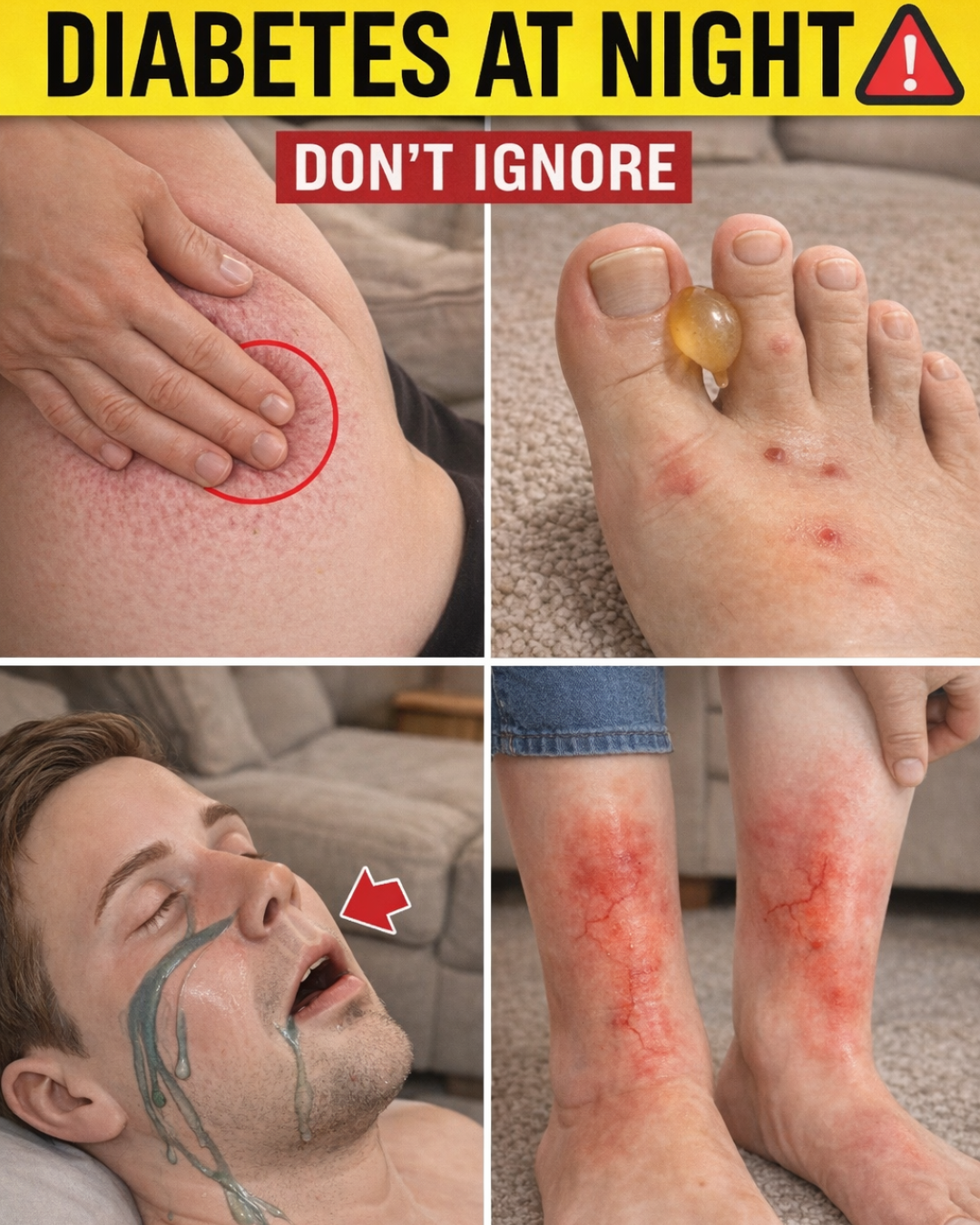
Why Nighttime Matters for Blood Sugar Balance
When you sleep, your body continues to regulate glucose levels. Fluctuations during these hours can affect how you feel the next day. Studies show that poor sleep quality is associated with greater insulin resistance and higher average blood sugar readings over time.
Many people notice patterns at night first. Addressing them early can make a real difference in daily energy and overall well-being.
1. Waking Up Drenched in Sweat
Night sweats can soak sheets even in a cool room. This often happens when blood sugar drops too low overnight, triggering the release of stress hormones.
Research indicates that nocturnal low blood sugar episodes increase adrenaline and can strain the cardiovascular system.
What you can do tonight:
- Check your blood sugar before bed if you monitor it.
- Keep a small snack with protein and complex carbs nearby.
- Talk to your doctor about patterns you notice.
2. Frequent Trips to the Bathroom (Nocturia)
Waking multiple times to urinate disrupts deep sleep cycles. When blood sugar stays elevated, the kidneys work harder to remove excess glucose, pulling more fluid into urine.
Studies link frequent nighttime urination to persistently higher blood sugar levels.
Simple adjustments to try:
- Limit fluids in the evening after 7 PM.
- Focus on steady blood sugar management during the day.
- Track how many times you get up for a few nights.
3. Restless Legs or Uncomfortable Tingling
That irresistible urge to move your legs can keep you awake for hours. High blood sugar over time may affect peripheral nerves, leading to these sensations.
Research connects peripheral neuropathy in diabetes to restless legs symptoms.
Helpful evening habits:
- Gentle calf stretches before bed.
- Warm bath or shower to relax muscles.
- Reduce caffeine intake after lunchtime.
4. Sudden Leg Cramps
Sharp, painful cramps in the calves or feet often strike without warning. Electrolyte shifts and circulation changes related to blood sugar levels can contribute.
Maintaining hydration and balanced minerals helps many people reduce frequency.
Quick relief ideas:
- Stay well-hydrated throughout the day.
- Include foods rich in potassium and magnesium.
- Stretch gently when a cramp starts—pull toes toward your shin.

5. Intense Thirst at Night
Waking up parched and reaching for water repeatedly can signal the body is trying to dilute high blood sugar.
This pattern often pairs with nocturia, creating a frustrating cycle.
Practical steps:
- Monitor daytime fluid and food choices.
- Discuss persistent thirst with your healthcare provider.
- Keep water bedside but sip slowly.
6. Feeling Shaky or Confused Upon Waking
Nocturnal hypoglycemia can cause shakiness, confusion, or vivid dreams. These episodes sometimes go unnoticed until morning fatigue sets in.
Continuous glucose monitors can alert you to drops before symptoms worsen.
Safety tips:
- Consider a balanced bedtime snack if levels tend to run low.
- Keep fast-acting glucose sources within reach.
- Share your monitoring data with your doctor.
7. Loud Snoring or Pauses in Breathing
Sleep apnea is more common among people with blood sugar concerns. Interrupted breathing reduces oxygen and stresses the body further.
Studies show treating sleep apnea often improves insulin sensitivity.
Starting points:
- Try sleeping on your side instead of your back.
- Maintain a healthy weight through gradual changes.
- Ask your partner if they notice breathing pauses.
But that’s not all—small daily habits can make a bigger difference than you might expect.
Easy 4-Week Plan to Support Better Nights
| Week | Focus Area | Daily Action | Expected Change |
|---|---|---|---|
| 1 | Bedtime routine | Check blood sugar + balanced snack | Fewer low episodes |
| 2 | Evening habits | Light stretching + limit fluids | Reduced bathroom trips |
| 3 | Daytime consistency | Balanced meals + movement | Steadier overnight levels |
| 4 | Tracking & review | Log sleep patterns and levels | Clearer picture for your doctor |
Common Misconceptions and Better Approaches
- Night sweats → Often blamed on hormones or room temperature → Checking glucose patterns reveals more.
- Frequent urination → Thought to be “just aging” → Daytime blood sugar control often reduces trips.
- Restless legs → Dismissed as stress → Nerve health support through steady glucose helps.
- Leg cramps → Attributed to exercise → Electrolyte balance and circulation matter too.
The truth is, noticing these patterns early gives you more options.
Next Steps You Can Take Today
- Start a simple sleep journal—note wake-ups and how you feel.
- Review your evening routine for caffeine, fluids, and meal timing.
- Schedule a check-up if you experience several of these signs regularly.
- Share your observations with your healthcare provider—they can guide testing.
Small, consistent changes often lead to deeper, more refreshing sleep.

Frequently Asked Questions
Can improving sleep really affect blood sugar levels?
Yes—research shows better sleep quality is linked to improved insulin sensitivity and more stable glucose readings.
How many nighttime bathroom trips are considered normal?
Most adults get up zero or one time. Two or more regularly warrants discussion with a doctor.
Should I check my blood sugar in the middle of the night?
Only if advised by your healthcare provider or if you use a continuous monitor that alerts you.
This information is for educational purposes only and is not a substitute for professional medical advice. Always consult your healthcare provider for personalized guidance, especially if you have concerns about diabetes or blood sugar management.