Many adults find that daily stress and occasional digestive discomfort can make even simple routines feel challenging. These common issues often build up quietly, affecting energy levels and overall comfort in everyday life. Yet there’s a straightforward, natural option that people have turned to for generations: a warm cup of herbal tea made from everyday spices.
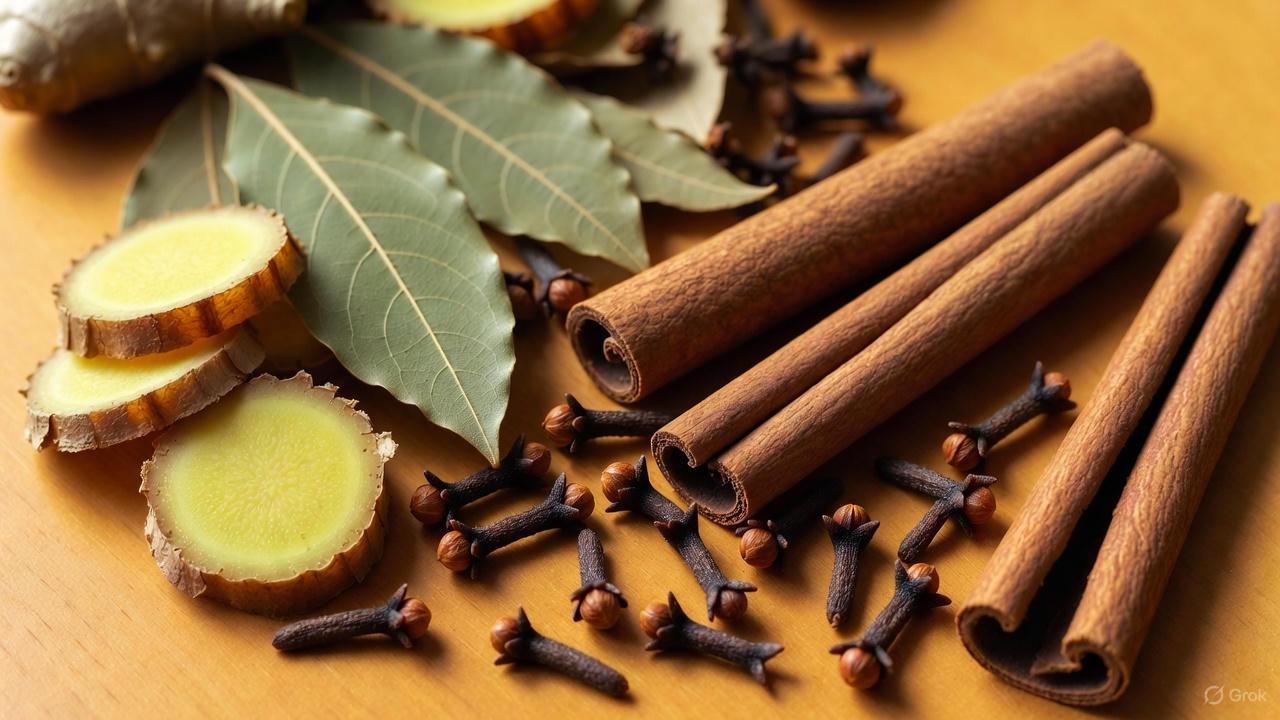
This blend of ginger, bay leaf, cinnamon, and clove offers a soothing ritual with potential supportive benefits backed by traditional use and emerging research. But the real appeal might surprise you—keep reading to discover why this combination stands out and how it could fit seamlessly into your day.

Why This Spice Blend Has Stood the Test of Time
Ginger, bay leaf, cinnamon, and clove have been used in kitchens and home remedies around the world for centuries. Each brings its own unique compounds that contribute to the tea’s warm, aromatic profile.
Research suggests these spices contain antioxidants and anti-inflammatory properties that may support overall wellness. For instance, studies on ginger highlight its role in promoting healthy digestion, while cinnamon is often studied for its effects on blood sugar stability. Clove’s key compound, eugenol, shows promise in lab research for reducing inflammation, and bay leaf adds subtle support for digestive comfort.
When combined in a tea, these spices create a synergistic effect that’s greater than any one alone. But that’s not all—let’s explore the specific ways this blend may help.

Potential Benefits of Drinking This Herbal Tea Regularly
People who enjoy this tea often report feeling more comfortable throughout the day. Here’s what research points to:
- Supports Digestive Comfort: Ginger has been shown in clinical reviews to help with gastric motility and ease occasional nausea. Bay leaf compounds like cineole may relax gut muscles, potentially reducing bloating.
- Promotes Relaxation and Better Rest: The warming nature of these spices can create a calming evening ritual. Some studies link cinnamon compounds to improved sleep quality by supporting stable energy levels.
- Provides Antioxidant Support: All four spices are rich in antioxidants. Cloves rank especially high, helping combat oxidative stress that contributes to daily wear and tear.
- May Help Maintain Healthy Inflammation Levels: Multiple studies on ginger, cinnamon, and clove’s eugenol indicate they can influence inflammatory markers positively.
- Supports Stable Blood Sugar: Cinnamon is well-researched for its potential to improve insulin sensitivity and slow carbohydrate absorption, leading to steadier energy.
Here’s a quick comparison of how each spice contributes:
| Spice | Key Compound | Potential Support Area |
|---|---|---|
| Ginger | Gingerol | Digestion, nausea relief, anti-inflammatory |
| Bay Leaf | Cineole | Gut relaxation, digestive comfort |
| Cinnamon | Cinnamaldehyde | Blood sugar stability, antioxidants |
| Clove | Eugenol | Inflammation reduction, antioxidant power |
Research from sources like PubMed and Healthline supports these individual effects, though more studies on the exact blend are needed.
How to Prepare Ginger, Bay Leaf, Cinnamon, and Clove Tea at Home
Making this tea is simple and takes just a few minutes. Here’s an easy step-by-step guide:
- Gather your ingredients: 1-inch fresh ginger (sliced), 2-3 bay leaves, 1 cinnamon stick (or ½ teaspoon ground), 4-5 whole cloves, and 2-3 cups of water.
- Bring the water to a boil in a small pot.
- Add the ginger slices, bay leaves, cinnamon, and cloves.
- Reduce heat and simmer for 10-15 minutes to extract the flavors fully.
- Strain into a cup. Add honey or lemon if desired for extra taste.
- Enjoy warm, once or twice a day.
Pro tip: Steep longer for a stronger brew, but start mild to see what suits you best.
For variety:
- Add a slice of lemon for brightness.
- Include a pinch of black pepper to enhance absorption.
- Try it iced in warmer weather.
This ritual not only tastes comforting but also gives you a moment of pause in a busy day.
What to Expect and Tips for Best Results
Many people notice a sense of warmth and comfort after the first few cups. Over time, with consistent use alongside a balanced diet, you might find improved daily ease.
Combine the tea with healthy habits like regular movement, plenty of water, and whole foods for even better support. Research shows herbal blends like this work best as part of an overall wellness routine.
Here’s a simple timeline many follow:
| Week | Suggested Routine | Possible Noticeable Changes |
|---|---|---|
| Week 1-2 | 1-2 cups daily | Warmer digestion, subtle relaxation |
| Week 3-4 | Continue + light walks | Steadier energy, less occasional bloating |
| Ongoing | As part of daily habits | Overall sense of supported wellness |
Frequently Asked Questions
1. Is this tea safe to drink every day?
Yes, in moderation (1-2 cups). These spices are commonly used in food amounts and generally well-tolerated, but listen to your body.
2. Can I drink it if I’m on medication?
Cinnamon and clove may interact with blood sugar or blood-thinning medications. Always check with your healthcare provider first.
3. What’s the best time to drink it?
Morning for an energizing start, or evening for winding down. Avoid right before bed if caffeine-sensitive (though this blend is naturally caffeine-free).
In summary, ginger, bay leaf, cinnamon, and clove tea offers a delicious way to incorporate time-tested spices into your routine. With potential support for digestion, relaxation, and daily comfort, it’s worth trying as a gentle addition to healthy living.
Disclaimer: This information is for educational purposes only and is not intended to diagnose, treat, cure, or prevent any disease. Always consult your healthcare professional before adding new herbs or teas to your routine, especially if you have health conditions or take medications.