Many adults today deal with the effects of busy lifestyles, including processed foods, stress, and environmental factors that can challenge liver function over time. This often leads to feelings of low energy, occasional digestive discomfort, or general sluggishness that lingers despite efforts to eat better or stay active. It’s common to wonder if there’s a natural way to provide extra support for your body’s main detoxification organ—and that’s where milk thistle comes in, with emerging insights that might surprise you as we explore further.
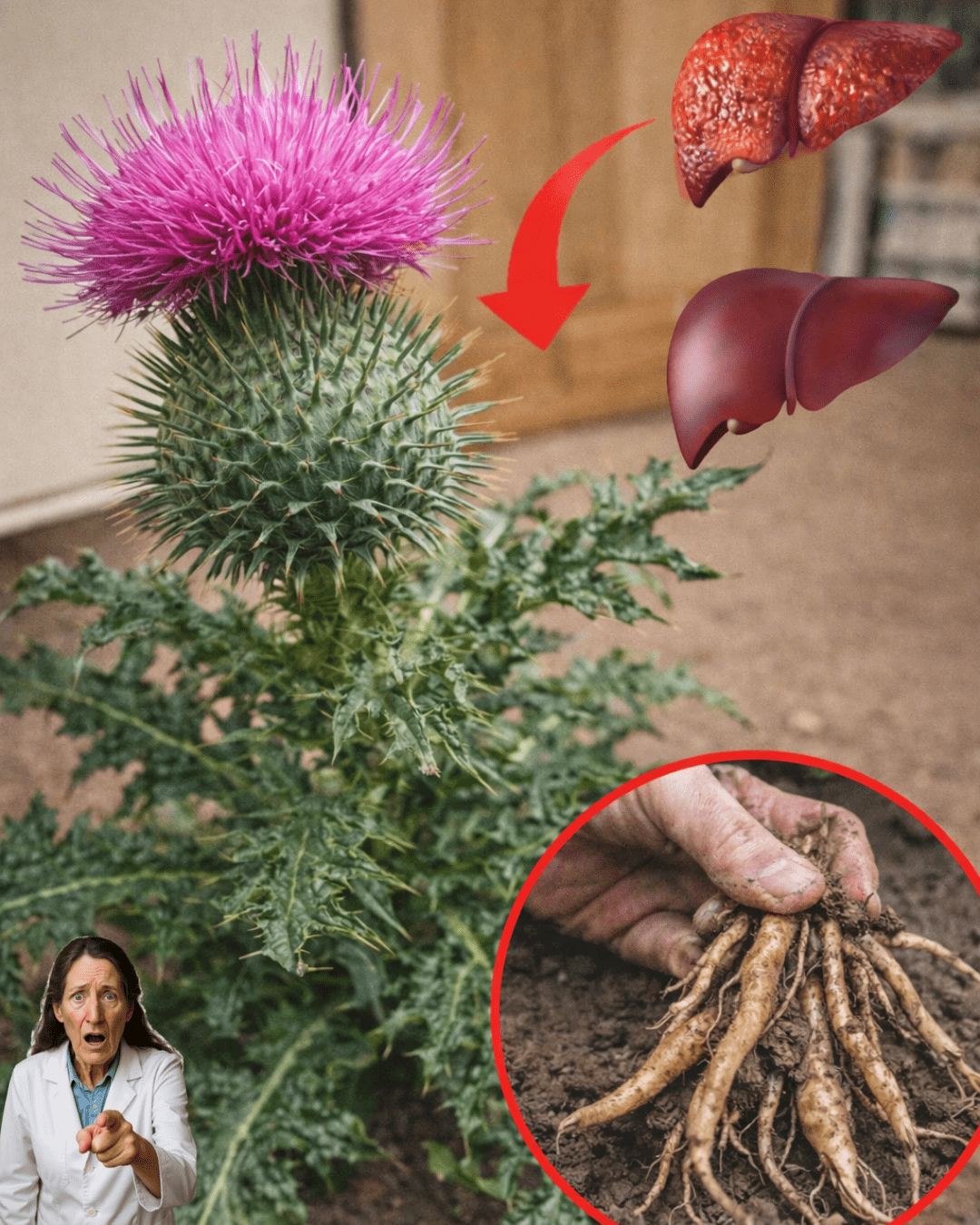
Understanding Modern Liver Challenges
Your liver works tirelessly to filter toxins, process nutrients, and maintain overall balance. As we age, especially past 40, factors like diet, medications, and daily stressors can add up.
Research indicates that non-alcoholic fatty liver disease (NAFLD) affects around 30-32% of adults globally, often without obvious symptoms at first. Many people experience unexplained fatigue or bloating as a result.
But here’s the good news: certain natural compounds have been studied for their potential to support healthy liver function.
Milk thistle (Silybum marianum), a plant used traditionally for centuries, contains a compound called silymarin that’s drawn attention in modern research.
Curious how it might fit into your routine? Let’s dive deeper.
What Is Milk Thistle and How Does It Work?
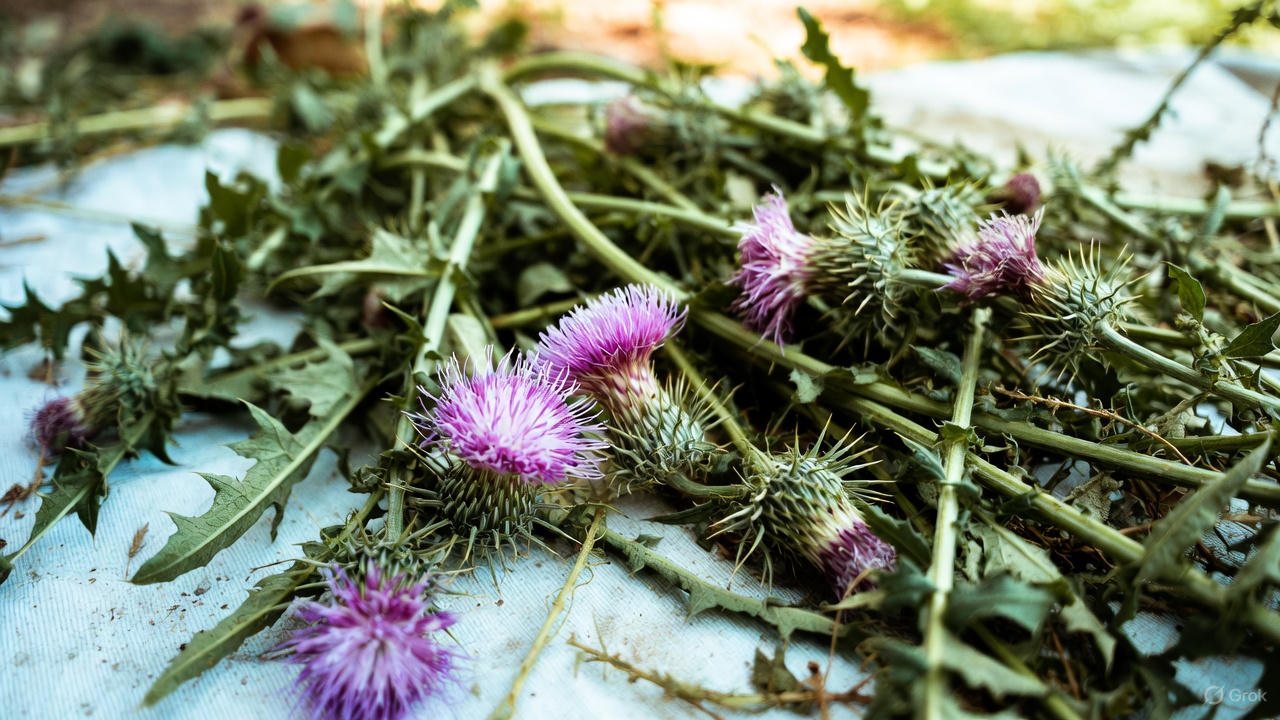
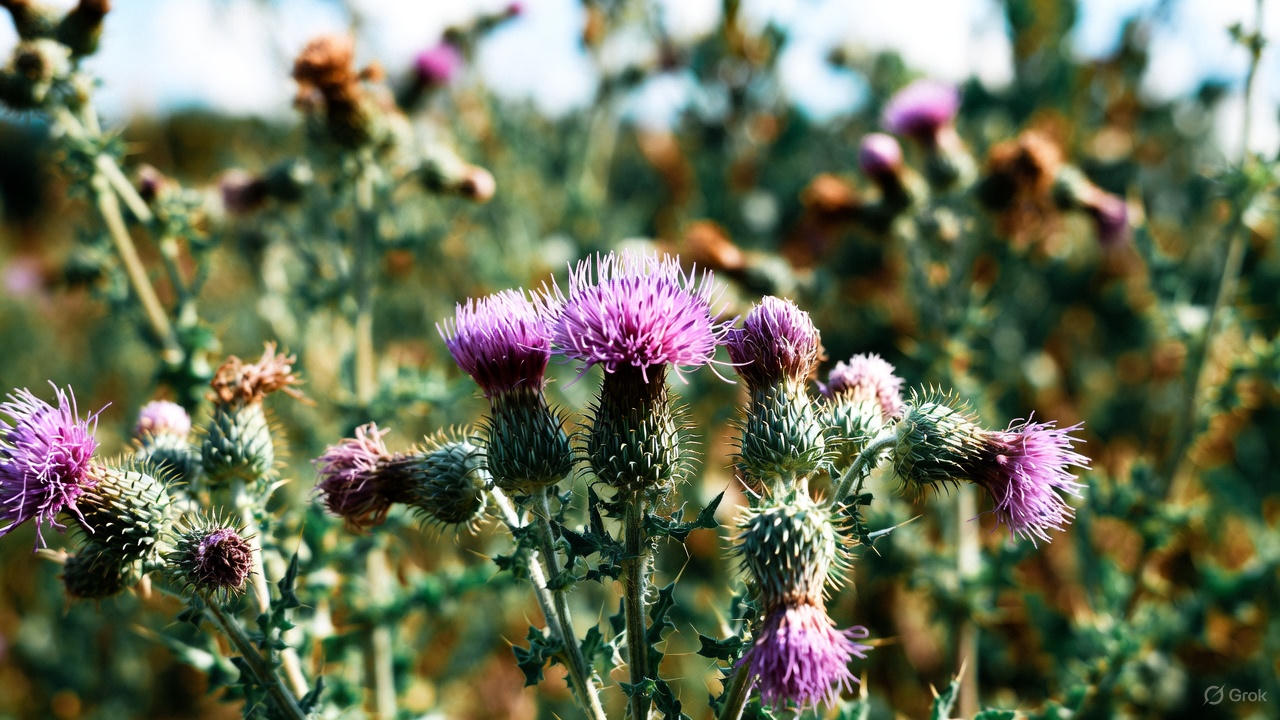
Milk thistle is a flowering herb from the daisy family, known for its purple blooms and spiky leaves.
Its seeds are the primary source of silymarin, a group of flavonoids with antioxidant properties.
Studies suggest silymarin may help protect liver cells from oxidative stress, a key factor in daily cellular wear.
One review of clinical trials noted promising hepatoprotective effects, though more research is always welcome.
This isn’t just about the liver—silymarin’s actions could extend to broader wellness.
But that’s not all…
Key Ways Milk Thistle May Support Your Health
Research points to several areas where milk thistle shows potential. Here’s a breakdown:
- Antioxidant Support: Silymarin acts as a free radical scavenger, potentially reducing oxidative damage. Preclinical studies highlight its ability to boost natural antioxidant enzymes.
- Liver Function Assistance: Multiple reviews indicate silymarin may help maintain healthy liver enzyme levels and support detoxification processes.
- Anti-Inflammatory Properties: By modulating pathways like NF-κB, it could help calm everyday inflammation, as seen in various models.
- Digestive Comfort: Traditionally used for gut health, it may promote bile flow and ease occasional bloating.
These insights come from sources like PMC reviews and systematic analyses.
Potential Benefits for Blood Sugar Balance
Managing steady energy throughout the day is a common goal.
Some studies suggest milk thistle extracts may help improve insulin sensitivity and support healthy glucose levels in people with type 2 diabetes.
A few clinical trials showed reductions in fasting blood sugar when taken daily.
Of course, this is complementary—always monitor levels closely if you have diabetes.
The evidence is encouraging, but individual results vary.
How Milk Thistle Might Contribute to Skin Wellness
Healthy skin often starts from within.
Antioxidants in milk thistle could help combat oxidative stress that affects skin appearance.
Some users report a brighter complexion with consistent use, possibly due to reduced inflammation.
Emerging research explores its role in protecting against environmental damage.
Pair it with a good skincare routine for best results.
Here’s the interesting part…
Comparing Milk Thistle to Other Natural Options
Not all liver-support herbs are the same. Here’s a quick comparison:
| Option | Key Focus Areas | What Stands Out for Milk Thistle |
|---|---|---|
| Dandelion Root | Diuretic and digestive support | More studied for direct liver cell protection |
| Turmeric | General anti-inflammatory | Specific silymarin research for liver enzymes |
| Artichoke Leaf | Bile production | Broader antioxidant profile |
| NAC | Glutathione precursor | Plant-based with centuries of traditional use |
Research suggests milk thistle’s silymarin offers unique hepatoprotective potential.
Simple Tips to Get Started with Milk Thistle
Ready to explore? Here’s an actionable 8-week guide:
- Weeks 1-2: Start with 200-300 mg of standardized extract daily, taken with a meal.
- Weeks 3-4: Increase to 400 mg if tolerated well.
- Weeks 5-8: Maintain 400-600 mg, alongside plenty of water and balanced meals.
Tips for better absorption:
- Take with food containing healthy fats.
- Stay hydrated to support detox pathways.
- Combine with habits like walking or veggie-rich meals.
Consistency is key—many notice subtle shifts in energy over time.
But wait, there’s more to consider…
Additional Areas of Interest
Preliminary studies explore milk thistle’s role in:
- Immune modulation through antioxidant effects.
- Cholesterol balance indirectly via liver support.
- Overall vitality for busy adults.
While promising, these need further confirmation.
Frequently Asked Questions
1. How long does it take to notice any differences?
Many report subtle energy or digestive improvements in 4-8 weeks with daily use.
2. Is milk thistle safe for everyday routines?
Generally well-tolerated, but start low and watch for mild digestive effects.
3. Can I take it with medications?
It may interact with certain drugs—always check with your healthcare provider first.
In summary, milk thistle offers a natural option backed by centuries of use and growing research for supporting liver health, antioxidant defense, and more. Incorporating it thoughtfully, alongside healthy habits, could be a gentle step toward feeling your best.
This article is for informational purposes only and is not intended as medical advice. Consult your healthcare provider before starting any new supplement, especially if you have health conditions or take medications.