Many women notice subtle changes in their breasts and brush them off as normal hormonal shifts, stress, or something temporary. It’s easy to think it’ll resolve on its own amid a busy life. But ignoring these changes can sometimes allow a condition that’s highly manageable when caught early to become more challenging. The encouraging part? Paying attention to your body and acting promptly can make a real difference in outcomes.
And here’s something important to keep in mind as you read on: one simple habit could help you spot changes sooner than you might expect.
Why Paying Attention to Breast Changes Matters
Breast cancer often starts without obvious symptoms. When detected early—before it has spread beyond the breast—the 5-year relative survival rate is nearly 99%, according to the American Cancer Society.
Research consistently shows that regular screenings and awareness of body changes lead to earlier detection. In 2025 alone, an estimated 316,950 new cases of invasive breast cancer are expected in women in the U.S., along with about 2,800 in men.
But that’s not all—early awareness has contributed to declining death rates over the years.
Knowing what to watch for empowers you to seek advice quickly if something feels off.
10 Common Early Warning Signs to Watch For
These signs don’t always mean cancer—many are caused by benign conditions—but persistent or unexplained changes warrant a check with your healthcare provider.
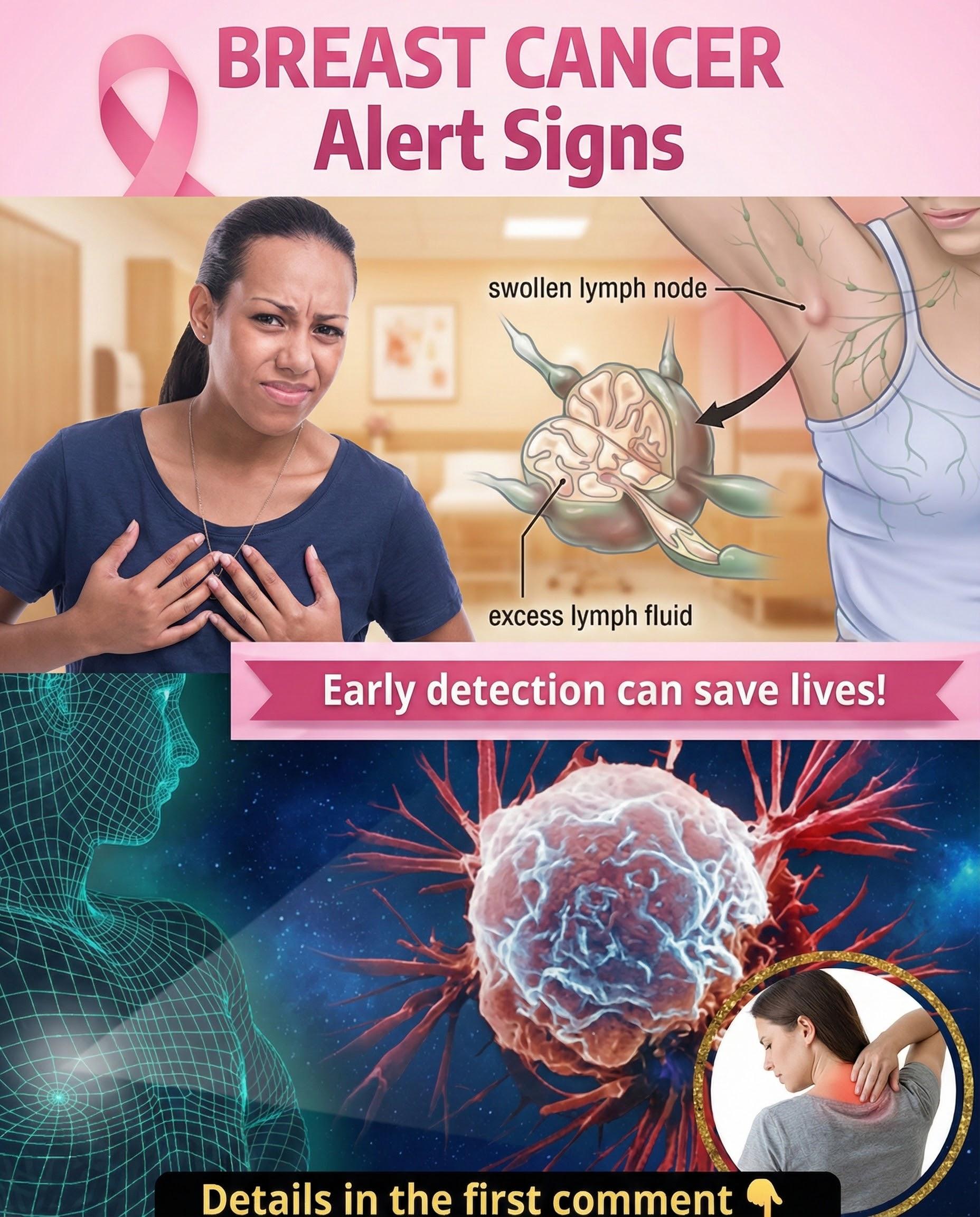
1. Swollen Lymph Nodes in the Armpit or Near the Collarbone
Hard or enlarged lymph nodes under the armpit or above the collarbone can sometimes signal that changes are occurring beyond the breast itself.
This might feel like a tender or firm bump that doesn’t go away.
2. Unusual Nipple Discharge
Any discharge from the nipple that’s not related to breastfeeding, especially if it’s spontaneous, clear, or bloody, should be evaluated.
It may happen in one breast only and without squeezing.
3. Redness, Flaking, or Thickening of the Nipple or Areola Skin
Persistent redness, scaling, or crusting around the nipple area could point to underlying changes.
This is sometimes linked to a rare form called Paget’s disease of the breast.
4. Sudden Nipple Inversion or Retraction
If a nipple that was previously outward-turning suddenly pulls inward, it’s worth noting.
This can happen without pain and affect one side.
5. Unexplained Swelling of the Breast or Armpit
Even without a distinct lump, overall swelling or enlargement in one breast or the underarm area can be a sign.
It might feel like diffuse fullness rather than a specific spot.
6. Persistent Breast or Nipple Pain
While most breast pain is harmless and tied to cycles, ongoing pain in one specific area—not linked to your period—deserves attention.
It’s often localized and doesn’t come and go.
7. Hard Lumps or Thickened Areas
A new lump that’s firm, irregular, and doesn’t move easily is a classic reason to seek evaluation.
Unlike benign cysts, these often feel hard and painless.
But remember, most lumps turn out to be non-cancerous.

8. Persistent Itching, Redness, or Irritation
Itching that lasts weeks, especially with redness or warmth, isn’t always just dry skin.
In rare cases, it can relate to inflammatory breast cancer, a faster-growing type.
9. Skin Dimpling or Texture Changes
Skin that looks dimpled—like an orange peel—or suddenly puckered can occur when underlying changes pull on the tissue.
Check by raising your arms or pressing hands on hips to tense the chest muscles.
10. Unexplained Changes in Breast Size or Shape
A sudden shift in one breast’s size, contour, or heaviness—without weight changes or pregnancy—can be subtle but significant.
It often affects just one side and persists.
Here’s a quick way to track changes over time:
- Take monthly photos of your breasts in the same lighting and poses.
- Stand straight, then with arms raised.
- Note any asymmetry that develops.
This simple step helps spot gradual shifts.
How to Perform a Breast Self-Exam Step by Step
Doing this monthly—about a week after your period—can help you become familiar with what’s normal for you.
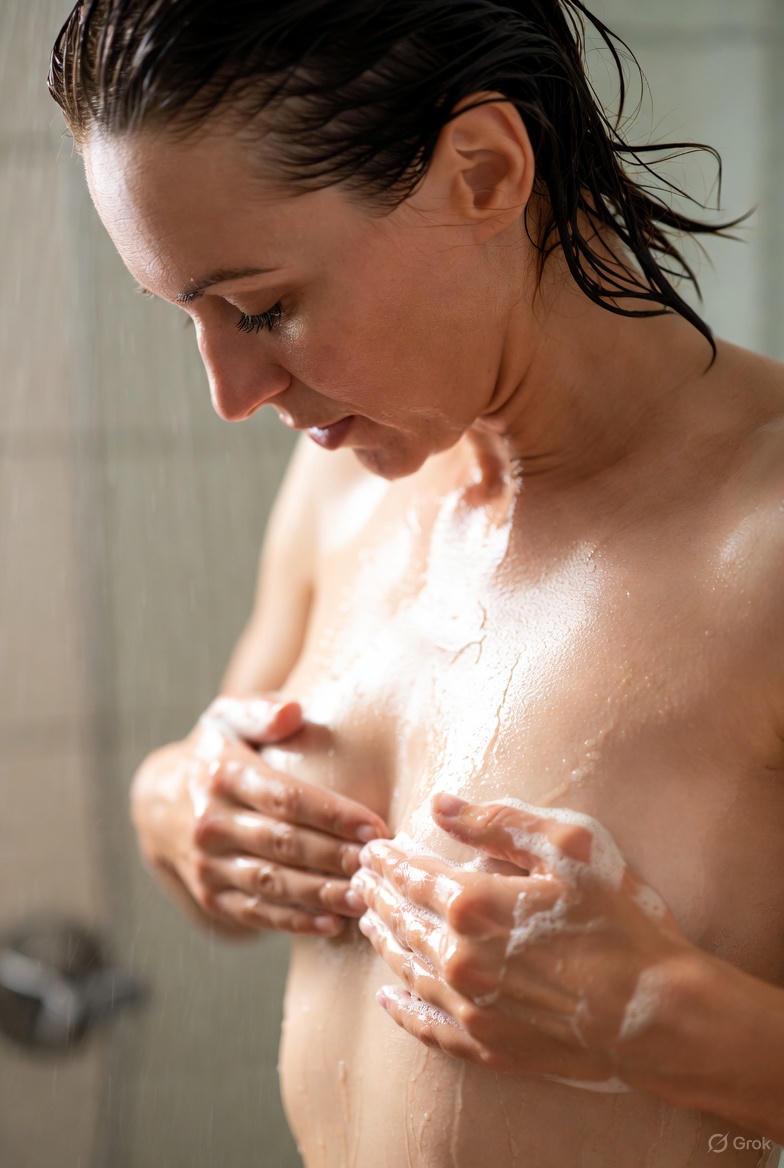
- In the shower: Use soapy hands to feel for lumps in circular motions.
- In front of a mirror: Look for visual changes with arms at sides, raised, and hands on hips.
- Lying down: Place a pillow under one shoulder, feel the breast with the opposite hand in small circles.
Research shows self-exams, combined with professional screenings, support early awareness.
When to See a Healthcare Provider Promptly
Don’t wait if you notice:
- Bloody or spontaneous nipple discharge with a lump.
- Rapid redness, swelling, and warmth in the breast.
- A fixed lump with armpit swelling.
These combinations often need quicker evaluation.
Building Healthy Breast Awareness Habits
Here are actionable steps you can start today:
- Schedule annual clinical breast exams.
- Discuss your family history and risks with your provider.
- Stay active, maintain a balanced diet, and limit alcohol—lifestyle factors that support overall health.
- Know common risk factors like age over 40, family history, or dense breasts.
Guidelines from organizations like the American Cancer Society suggest women at average risk can start annual mammograms from age 40-44 optionally, and annually from 45-54.
Talk to your doctor about what’s best for you.
The truth is, most changes aren’t cancer—but checking them brings peace of mind.
Conclusion: Empower Yourself with Knowledge
Being aware of these signs puts you in control. Listening to your body and seeking timely advice can turn potential worry into proactive care.
Share this information with loved ones, prioritize your screenings, and remember: early attention often leads to the best outcomes.
Frequently Asked Questions
When should I start getting mammograms?
Many guidelines recommend discussing options starting at age 40, with annual screenings common from then on for average-risk women. Those with higher risks may start earlier.
Can men get breast cancer?
Yes, though less common—about 2,800 cases expected in U.S. men in 2025. The same awareness of changes applies.
Are all breast lumps cancerous?
No, the majority are benign, like cysts or fibroadenomas. But any new or persistent lump should be checked by a professional.
Disclaimer: This article is for informational purposes only and is not a substitute for professional medical advice. Always consult a qualified healthcare provider if you notice any breast changes or have concerns about your health. Regular screenings are key for early detection.
(Word count: approximately 1,350)