Many men notice changes in urinary habits as they age, like getting up multiple times at night or feeling that urgent need to go more often. These discomforts can disrupt sleep, daily routines, and overall well-being, leaving you searching for simple ways to feel more comfortable. The good news is that everyday foods like onions might offer some natural support—thanks to compounds that have shown promise in studies for their antioxidant and anti-inflammatory properties.
But here’s the intriguing part: while most people toss away the peels, they actually contain higher levels of beneficial compounds than the bulb itself. Keep reading to discover easy, practical ways to use both the onion and its peel that you can try at home.

Why Onions Are Worth Paying Attention To
Onions have been part of traditional diets for centuries, and modern research is starting to explain why they might help with urinary comfort.
The key player is quercetin, a flavonoid found in high amounts in onions—especially red or purple varieties and their peels. Studies suggest quercetin has antioxidant effects that help combat oxidative stress, which plays a role in inflammation.
- Research shows that men who eat more onions and garlic tend to have lower odds of benign prostatic hyperplasia (BPH), a common cause of urinary issues.
- Animal studies indicate onion extracts may support prostate tissue health by reducing markers of inflammation.
- Quercetin itself has been linked in lab studies to potential benefits for prostate cell health and reducing inflammatory responses.
But that’s not all—onions also have mild diuretic properties, which means they may encourage healthy urine flow without overstimulating the bladder.
Nutritional Highlights of Onions and Peels
Here’s a quick breakdown of what makes onions stand out:
| Component | Found In | Potential Support Area |
|---|---|---|
| Quercetin | High in peels and red onions | Antioxidant, anti-inflammatory |
| Sulfur compounds | Throughout the bulb | General immune and cellular support |
| Fiber and vitamins | Bulb | Overall digestive and urinary health |
| Flavonoids | Concentrated in peels | Higher antioxidant activity |
Research notes that onion peels often have even more concentrated flavonoids than the flesh, making them a smart addition to infusions.
Simple Ways to Use Onion Peel for Daily Comfort
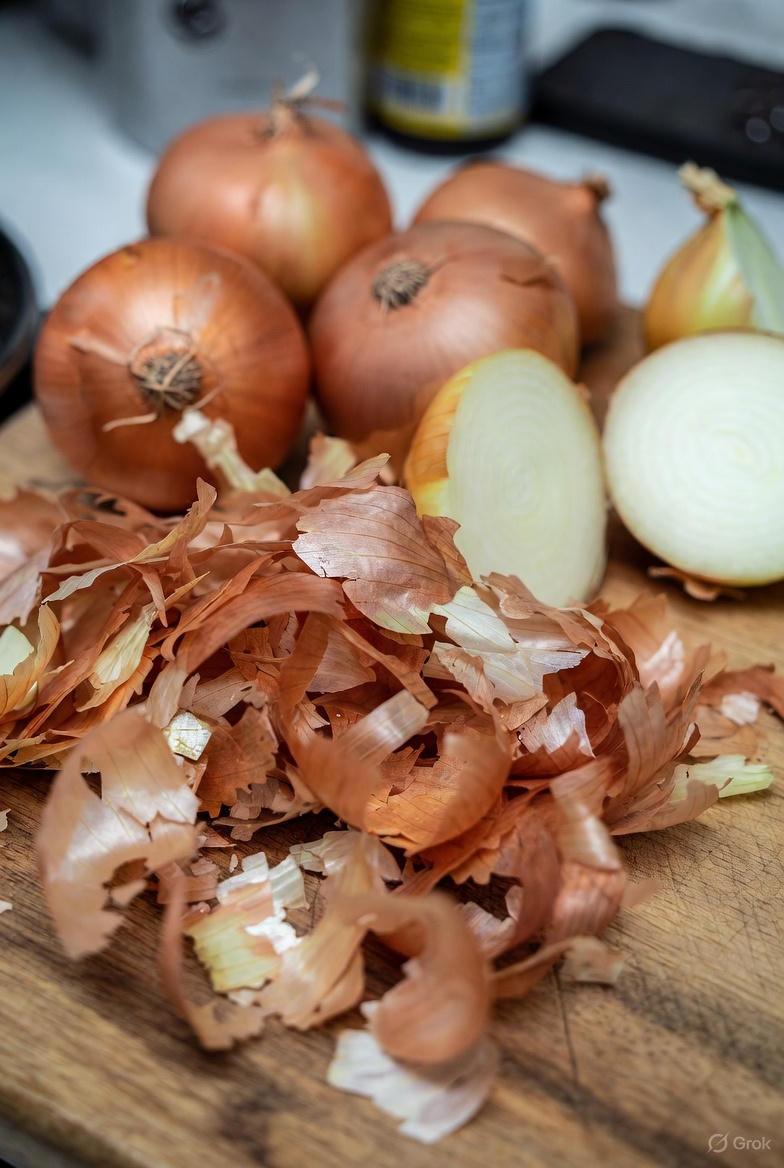
One of the easiest methods is a gentle onion peel infusion. It’s straightforward and uses something you’d normally discard.
Step-by-Step Guide to Onion Peel Infusion
- Start with 2 medium organic onions (red or purple if possible for higher quercetin).
- Wash them thoroughly, then carefully peel off the dry outer layers.
- Boil 1 liter of water, add the clean peels, and simmer for 10 minutes.
- Remove from heat, cover, and let steep for another 10 minutes.
- Strain into a glass container and store in the fridge.
How to enjoy it: Drink one cup in the morning on an empty stomach and one in the evening. Add a teaspoon of honey if the taste is too strong.
Many people follow this for 2-3 weeks, then take a break. It’s a gentle habit that fits easily into routines.
Other Practical Onion-Based Ideas
Looking for variety? Here are a few more approachable options:
- Fresh Onion Juice Blend: Chop half a red onion, blend with a glass of water, strain, and mix in a splash of lemon. Sip once daily for a quick boost.
- Warm Onion Compress: Roast an onion, mash it with a bit of olive oil, and apply warmly (wrapped in cloth) to the lower abdomen for 15-20 minutes a couple times a week.
- Add to Meals: Simply increase raw or lightly cooked onions in salads, soups, or stir-fries—aim for a few servings weekly.
These methods draw from traditional uses while aligning with what studies show about onions’ natural compounds.
What Research Says About Potential Benefits
Studies provide some encouraging insights:
- A large European study found that regular onion and garlic intake was associated with better urinary flow and comfort in men with BPH.
- Lab and animal research highlights quercetin’s role in supporting healthy inflammation responses in prostate tissue.
- Onions’ diuretic nature may help maintain normal urine production, indirectly supporting bladder function.
The reality is… while these findings are promising, results vary from person to person. Onions can be a supportive addition to a healthy lifestyle, but they’re not a standalone solution.
Tips for Getting the Most Out of Onions
- Choose organic when possible to minimize pesticide exposure on peels.
- Start slowly to see how your body responds.
- Pair with other habits like staying hydrated, eating plenty of vegetables, and gentle exercise.
- Red onions generally pack more beneficial compounds than white varieties.
Frequently Asked Questions
1. How long should I try onion-based habits before noticing any difference? Many people report feeling more comfortable after 2-4 weeks of consistent use, but individual experiences differ. Listen to your body.
2. Are there any side effects to watch for? Onions are generally safe in food amounts, but large quantities might cause digestive upset or bad breath. Those on blood-thinning medications should check with a doctor due to natural blood-thinning effects.
3. Can women use these onion ideas too? Absolutely—onions’ diuretic and antioxidant properties may support general urinary comfort for anyone.
Final Thoughts
Incorporating onions and their peels into your routine is a simple, affordable way to explore natural support for prostate and bladder comfort. Backed by compounds like quercetin and supported by observational studies, it’s a habit worth considering alongside a balanced diet and active lifestyle.
Important Note: This information is for educational purposes only and is not medical advice. Onions do not diagnose, treat, cure, or prevent any disease. Always consult your healthcare provider for personalized guidance, especially if you have urinary symptoms or existing health conditions. Professional medical evaluation is essential for proper care.