If you or someone you love has ever searched online for natural ways to support health during cancer, you’ve probably come across bold claims about soursop. It’s heartbreaking to see posts promising miraculous results when you’re already feeling vulnerable and desperate for hope. The frustration builds when information feels confusing—one source says it’s amazing, another warns against it—and you just want clear, honest facts. In this article, we’ll gently sort through the noise together, looking at what research actually shows, so you can make informed choices without added worry. And by the end, there’s one important perspective shift that many people find surprisingly helpful.
What Exactly Is Soursop?
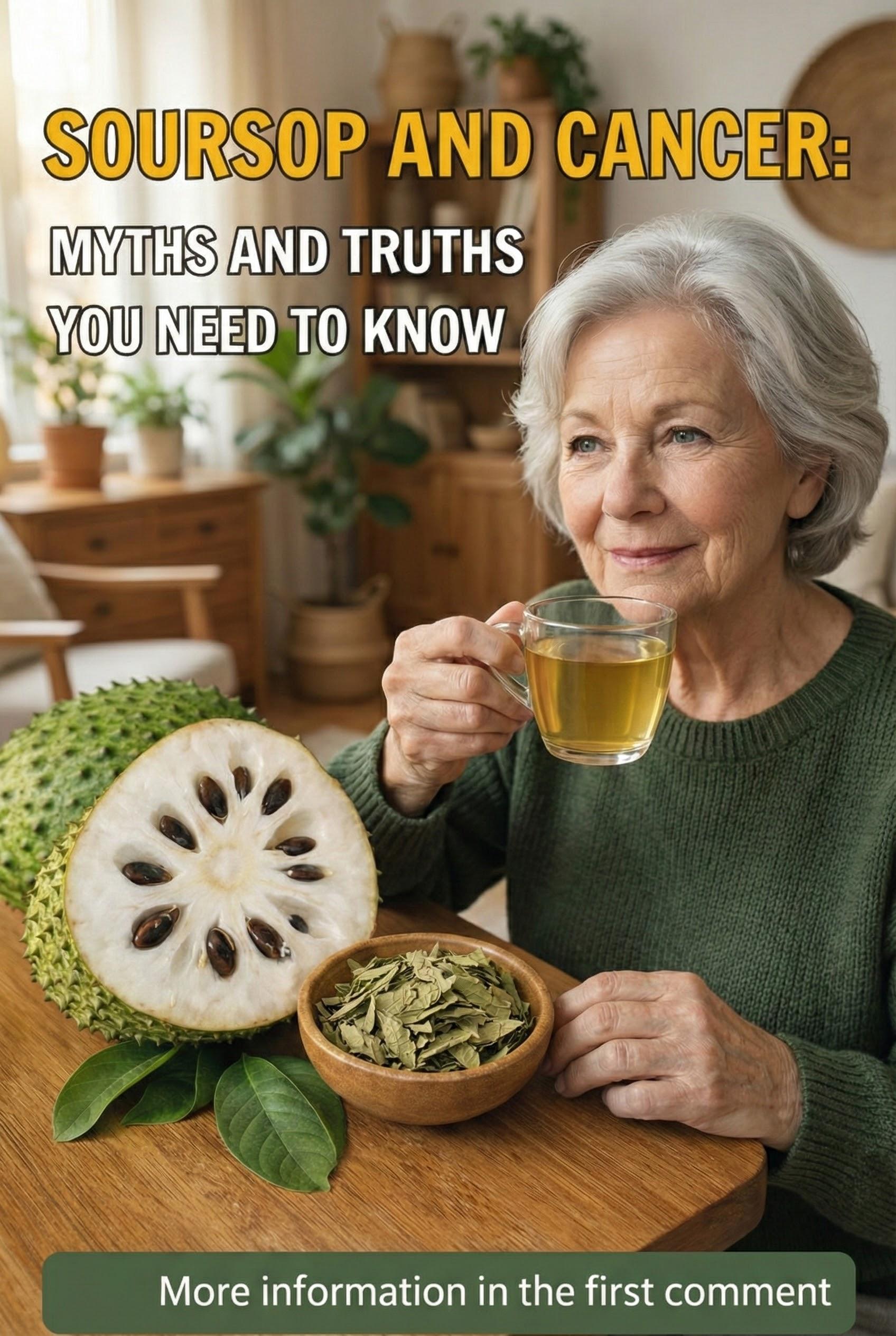
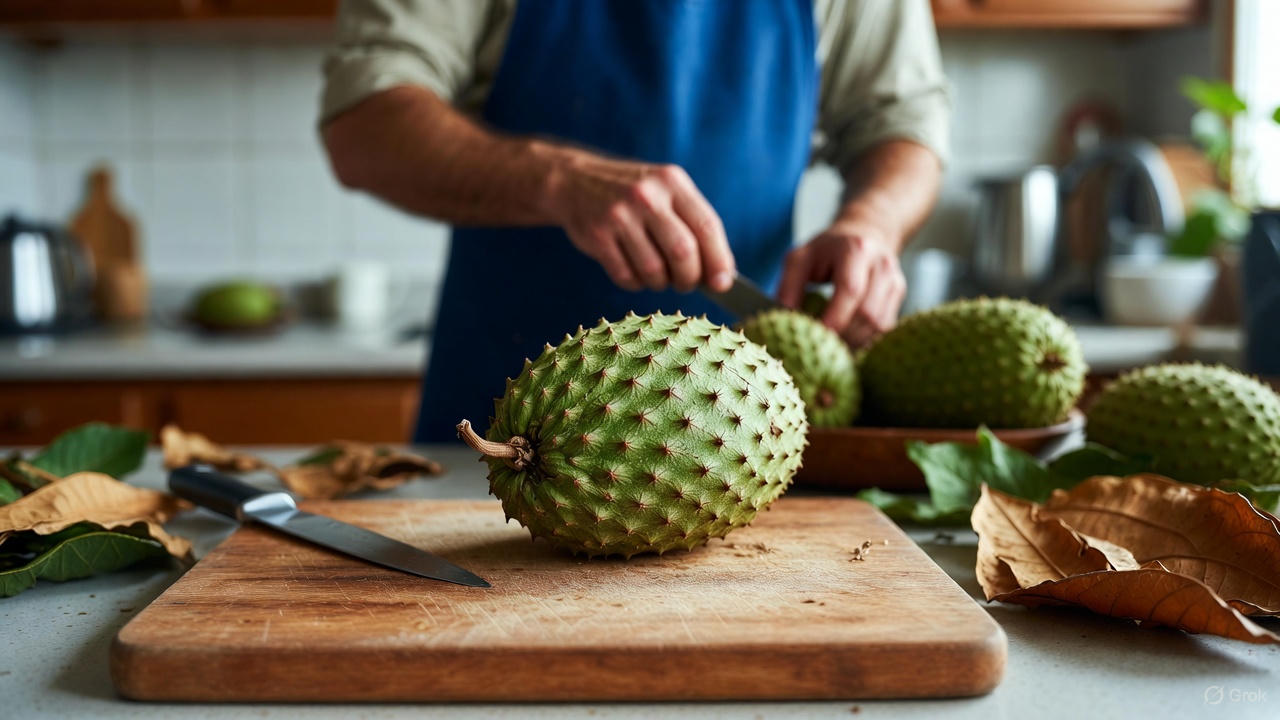
Soursop, also known as graviola or guanabana (scientific name: Annona muricata), is a tropical fruit with a spiky green exterior and creamy white flesh inside. It tastes like a mix of strawberry and pineapple with a tangy twist.
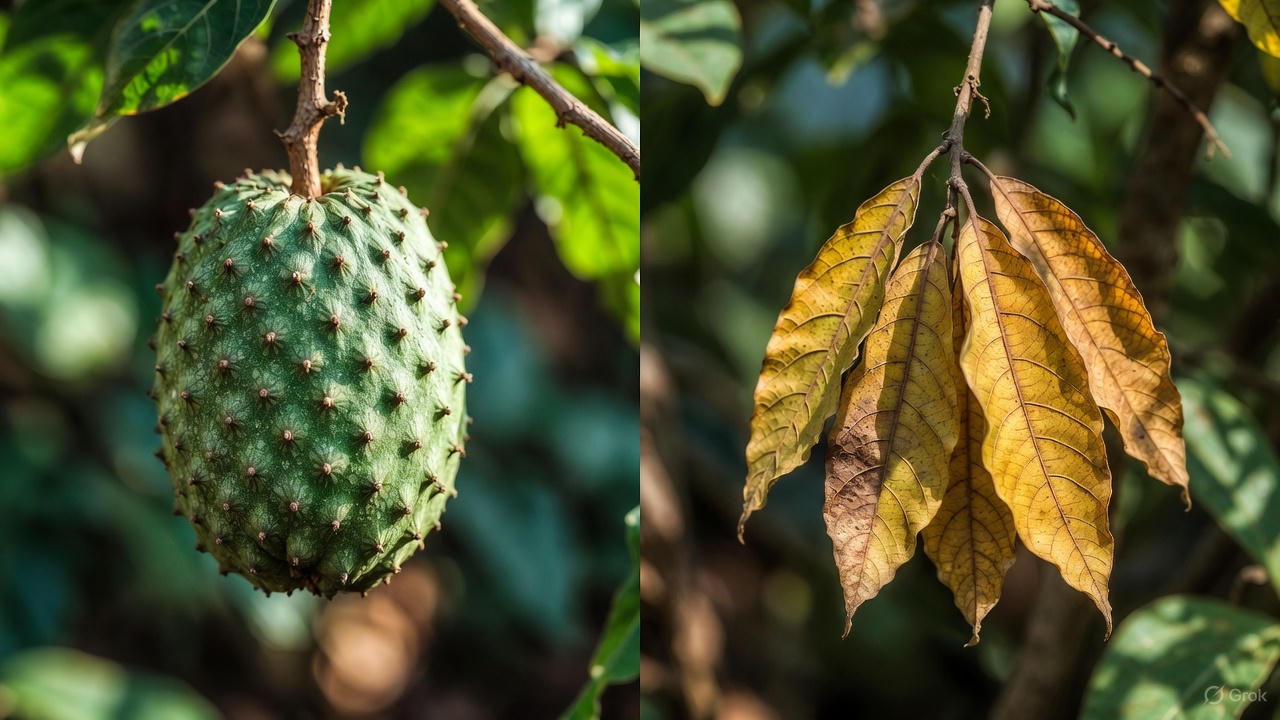
In many cultures, especially in Latin America, the Caribbean, and Southeast Asia, people enjoy the fruit fresh, in juices, smoothies, or ice cream. Traditionally, the leaves, stems, and seeds have also been used to make herbal teas for relaxation or digestive comfort.
The interest in cancer comes from certain compounds in the plant—mainly annonaceous acetogenins—found mostly in the leaves and seeds.
Why Do So Many Online Posts Link Soursop to Cancer?
It started with early laboratory research. Studies dating back to the 1970s showed that some compounds from soursop could affect cancer cells grown in petri dishes (called in vitro studies).
These findings were exciting to scientists because the compounds appeared selective—they impacted certain fast-growing cells more than normal ones.
But here’s where things get misunderstood: lab results on cells don’t automatically translate to real-life benefits in the human body. Many promising lab discoveries never make it to proven everyday use.
This gap between early research and human evidence is why major health organizations remain cautious.
Different Types of Research: Why Levels Matter
Not all studies carry the same weight. Here’s a simple breakdown:
- In vitro studies (test tubes or petri dishes): Quick way to screen thousands of plants. Great for ideas, but far from real life.
- Animal studies: Help understand possible mechanisms and safety. Still not the same as humans.
- Human clinical trials: The gold standard. These carefully track real people, dosages, side effects, and outcomes.
Most of the buzz around soursop comes from the first two types. High-quality human trials specifically testing soursop for cancer support are limited, according to reviews from organizations like Memorial Sloan Kettering Cancer Center and Cancer Research UK.
But that hasn’t stopped the information from spreading rapidly online.
Common Claims vs. Current Scientific Understanding
Let’s look at some frequent statements you might have seen:
- Claim: “Soursop can destroy cancer cells 10,000 times stronger than chemotherapy.” Reality: This often traces back to a misquoted or outdated in vitro study. No head-to-head human trials exist to support this comparison.
- Claim: “Drinking soursop leaf tea daily shrinks tumors.” Reality: While lab studies show activity, there’s no strong clinical evidence in humans showing consistent tumor reduction from tea alone.
- Claim: “It’s completely safe because it’s natural.” Reality: Natural doesn’t always mean risk-free. More on safety concerns below.
The truth is, researchers find the plant interesting enough to keep studying, but we’re not at the point of recommending it as a reliable option for cancer support.
What Does the Research Actually Show?
Several reviews have summarized available studies:
- Lab and animal research suggest anti-inflammatory, antioxidant, and cell-growth-inhibiting properties.
- A few small human studies have explored soursop extracts, mostly looking at safety and possible complementary use, but results are preliminary and mixed.
- No large, well-designed trials have shown clear benefits for preventing or managing cancer in people.
Experts agree: more rigorous research is needed before drawing firm conclusions.
Safety Considerations Many Posts Don’t Mention
This is one of the most important parts often left out.
One compound in soursop—annonacin—is neurotoxic in high doses in lab and animal studies. Population observations in places with very high long-term consumption of soursop tea have noted higher rates of atypical parkinsonian symptoms.
That doesn’t mean occasional fruit is dangerous, but it does highlight caution with:
- Concentrated leaf extracts or capsules
- Daily high-dose tea over many months
- Products from unknown sources (quality varies widely)
Always tell your doctor about any herbal supplements, as they can interact with medications.
How to Enjoy Soursop Safely in Everyday Life
The good news? As a food, soursop fruit can absolutely be part of a balanced diet.
Here are practical ways to include it moderately:
- Add fresh pulp to smoothies with other fruits
- Enjoy it as a refreshing juice (diluted)
- Try it in yogurt or oatmeal for natural sweetness
- Freeze the pulp for homemade treats
Focus on variety—pair it with berries, citrus, leafy greens, and other nutrient-rich foods.
Actionable Steps If You’re Curious About Soursop
If you’re thinking about trying soursop:
- Start with the fruit itself, not supplements.
- Choose fresh or frozen pulp from reputable sources.
- Limit portions—treat it like any tropical fruit.
- Talk openly with your oncology team before adding leaf tea or extracts.
- Keep following your prescribed plan—nothing should replace proven care.
Your doctors want the best outcome for you and can help navigate complementary options safely.
The Perspective Shift That Helps Many People
Here’s the part that often brings relief: instead of searching for one “miracle” food, the strongest evidence points to overall lifestyle patterns—balanced eating, movement, sleep, stress management, and strong medical care.
Soursop can be a delicious occasional addition, but it’s not a shortcut or substitute.
Feeling empowered comes from understanding the facts and making choices aligned with reliable guidance.
Frequently Asked Questions
Can I drink soursop leaf tea while undergoing cancer treatment? It’s best to discuss this directly with your oncologist. Some compounds may interact with treatments, and long-term safety data is limited.
Is eating soursop fruit safe during cancer? In normal food amounts, yes—it’s generally considered safe as part of a varied diet. Just avoid excessive amounts.
Where can I find reliable updates on soursop research? Check trusted sites like Memorial Sloan Kettering Cancer Center, Cancer Research UK, or PubMed for the latest reviews.
Disclaimer: This article is for informational purposes only and is not medical advice. Always consult your healthcare provider before making changes to your diet or supplement routine, especially during cancer care. No food or herb can replace professional medical treatment.