Unwanted facial hair can feel frustrating and impact your daily confidence. Many people spend time searching for quick, at-home ways to manage it, only to feel disappointed when results fall short or skin reacts poorly. You’ve likely seen those viral videos promising fast solutions with everyday items, leaving you wondering if they’re helpful or just hype. The good news? There are gentle, evidence-based approaches to explore—but let’s separate fact from fiction first, because your skin deserves care that truly supports it. Stick around, as we’ll uncover some practical insights that could change how you approach this common concern.
Why Do Some People Experience Unwanted Facial Hair?
Facial hair growth is completely normal and varies from person to person. Fine, light hairs (often called peach fuzz) are common on the upper lip, chin, and cheeks for many individuals.
In some cases, coarser or more noticeable hair can appear due to factors like:
- Genetics and family history
- Hormonal fluctuations, such as during puberty, pregnancy, or menopause
- Certain medications or health conditions
Research shows that conditions like polycystic ovary syndrome (PCOS) can influence androgen levels, contributing to increased hair growth in some women. Understanding these roots helps shift focus from quick fixes to sustainable management.
But here’s the key: No at-home method permanently stops hair growth without professional input. Temporary options exist, and we’ll cover safer ones shortly.
The Viral Toothpaste and Lemon Hack: What Does the Evidence Say?
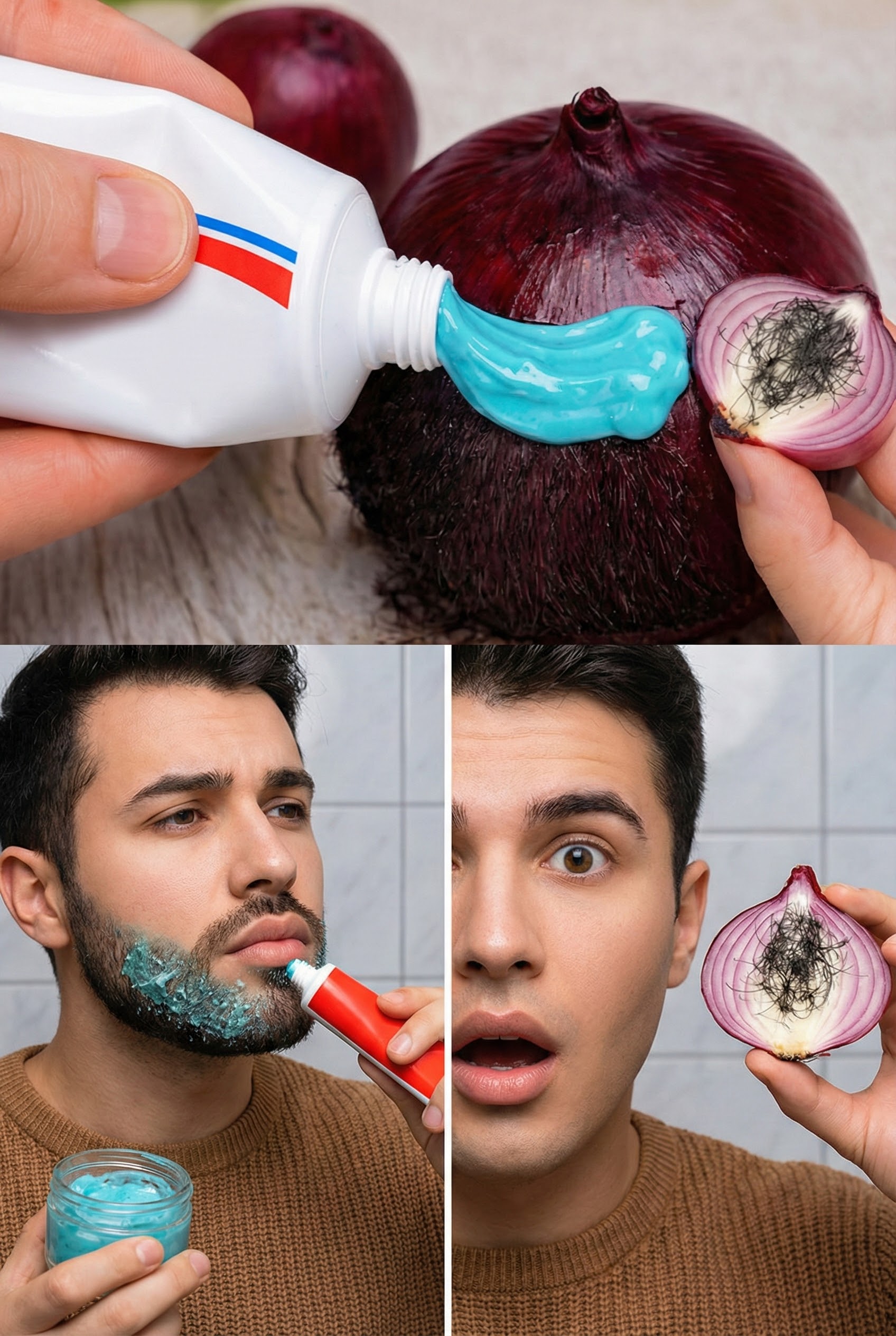
You’ve probably come across videos showing a mix of toothpaste (often Colgate) and lemon juice applied to the face or underarms, with claims of hair vanishing quickly—sometimes even “permanently.”
Dermatologists and fact-checking sources consistently highlight that this combination lacks scientific support for hair removal. Toothpaste is designed for teeth, containing abrasives, fluoride, and detergents that can irritate delicate facial skin.
Lemon juice, while rich in vitamin C, is highly acidic and may increase sun sensitivity, leading to redness or discomfort outdoors.
Studies and expert opinions note that these ingredients might temporarily lighten hair or cause breakage due to dryness, but they don’t target hair follicles—the root of growth. More importantly, applying them can disrupt the skin’s natural barrier, causing dryness, redness, or allergic reactions.
The truth is, this trend is more myth than magic. Many who try it report no lasting change, and some experience unnecessary irritation.
Potential Risks of Trying Unproven DIY Mixtures
Experimenting with household items on your face sounds convenient, but skin reactions aren’t worth the risk.
Common issues from abrasive or acidic combos include:
- Redness and inflammation
- Dryness or peeling
- Increased sensitivity to sunlight
- Allergic responses in sensitive skin types
Dermatologists emphasize that products not formulated for skin can alter pH balance or clog pores. If you have sensitive skin, eczema, or open areas, these effects can worsen.
Always prioritize gentle care—your skin works hard to protect you.

Safer At-Home Methods to Manage Facial Hair Temporarily
While no home remedy offers permanent results, several gentle options can help manage appearance between professional treatments. These are supported by traditional use and general skincare principles.
Traditional Masks for Gentle Exfoliation
Many cultures use natural pastes for smoothing skin and reducing fine hair visibility over time.
- Turmeric and Milk Paste: Mix turmeric powder with milk to form a thick mask. Apply, let dry, then gently rub off. Turmeric has anti-inflammatory properties, and some small studies suggest related herbs may slow hair regrowth with consistent use.
- Gram Flour (Besan) and Rose Water: Combine into a paste, apply, and scrub lightly when dry. This exfoliates gently and has been a go-to in traditional routines.
Sugaring: A Natural Wax Alternative
Sugaring uses a sticky paste of sugar, lemon, and water—similar to waxing but often gentler.
Here’s a simple step-by-step:
- Heat 2 cups sugar, ¼ cup lemon juice, and ¼ cup water until it forms a caramel-like consistency.
- Cool slightly until warm (not hot).
- Apply against hair growth direction.
- Pull off quickly in the direction of growth using a cloth strip or fingers.
It removes hair from the root for smoother results lasting 2-4 weeks. Patch test first, as lemon can sensitize skin.
Other Everyday Options
- Tweezing or Threading: Precise for small areas like brows or chin.
- Shaving with Care: Use a clean razor and soothing gel— it doesn’t make hair grow thicker (that’s a myth backed by research).
- Depilatory Creams: Choose face-specific formulas and follow instructions closely.
| Method | Duration of Results | Gentleness Level | Best For |
|---|---|---|---|
| Sugaring | 2-4 weeks | Medium | Larger areas |
| Tweezing | 3-6 weeks | High (small areas) | Stray hairs |
| Shaving | 1-3 days | High | Quick touch-ups |
| Exfoliating Masks | Temporary smoothing | Very High | Fine peach fuzz |

Evidence-Based Ways to Support Hair Management
Some lifestyle habits show promise in research for balancing hormones that influence growth.
- Spearmint Tea: Small studies indicate drinking 2 cups daily may help lower androgen levels in some cases of hormonal hair growth.
- Balanced Diet: Foods rich in vitamin E (nuts, seeds) and anti-inflammatory options support overall skin health.
Consistency matters more than intensity.
But that’s not all—professional options like laser or electrolysis target follicles more effectively for longer-lasting smoothness.
Proven Professional Approaches for Longer Results
For those seeking reduced regrowth:
- Laser hair removal uses light to target dark pigments.
- Electrolysis destroys follicles individually.
These require multiple sessions and work best under expert guidance. Consult a dermatologist to discuss suitability.
Conclusion: Empower Yourself with Informed Choices
Managing unwanted facial hair starts with kindness—to your skin and yourself. Viral hacks like toothpaste and lemon often disappoint and risk irritation, while gentler traditions like sugaring or masks offer safer temporary help. Combine with healthy habits for the best support, and consider professional advice for lasting changes.
You’re not alone in this, and the right approach can boost your confidence naturally.
Frequently Asked Questions
1. Can home remedies permanently remove facial hair?
No method at home achieves permanent removal, as hair grows from follicles beneath the skin. Consistent use may slow visibility or thin fine hairs temporarily.
2. Is it safe to use lemon on the face for hair management?
Lemon is acidic and can increase sun sensitivity or cause irritation. Use sparingly, dilute well, and always apply sunscreen afterward.
3. How often should I try natural masks?
Start with 1-2 times weekly, monitoring for any reaction. Overuse can dry skin.
Disclaimer: This article provides general information and is not medical advice. Results vary by individual. Always perform a patch test for new ingredients and consult a dermatologist for personalized guidance, especially if you have skin conditions or concerns about underlying health factors.