Many people notice subtle changes as they enter their 40s, 50s, or beyond—perhaps a bit less energy in the mornings, occasional joint stiffness, or slower recovery after busy days. These shifts can feel frustrating, especially when everyday habits like diet seem hard to change amid a busy life. It’s common to wonder if this is just part of getting older, and if there’s anything practical that can make a difference.
Research shows that certain cellular processes play a key role in how our bodies age, and everyday food choices can influence them in positive ways. But that’s not the full story—keep reading to discover specific insights from three groundbreaking Nobel Prize discoveries and the accessible foods they highlight.
Understanding Key Cellular Processes in Aging
Our cells are constantly working to maintain health, but over time, factors like oxidative stress and inflammation can affect them. Three Nobel Prize-winning discoveries have shed light on important mechanisms: telomere maintenance, autophagy (cellular cleanup), and ribosome function (protein production).
These processes help cells protect DNA, recycle damaged parts, and build essential proteins. Studies suggest that nutrient-rich diets can support these mechanisms, contributing to overall vitality as we age.
Here’s the exciting part: Many supportive foods are simple, everyday items you can find at any grocery store.
How Certain Foods May Support Telomere Health (Inspired by Dr. Elizabeth Blackburn’s Work)
Dr. Elizabeth Blackburn shared the 2009 Nobel Prize in Physiology or Medicine for discovering telomerase, the enzyme that helps maintain telomeres—the protective caps at the ends of chromosomes.
Research, including studies published in journals like The Lancet Oncology, indicates that diets rich in antioxidants and healthy fats are associated with better telomere maintenance. Plant-based eating patterns, similar to those in long-lived populations, show promising links.
Key foods highlighted in telomere research:
- Berries (such as blueberries and strawberries): Packed with antioxidants like anthocyanins.
- Leafy greens (spinach, kale): Sources of folate and vitamins.
- Fatty fish (salmon, sardines): Provide omega-3 fatty acids.
- Nuts and seeds (walnuts, flaxseeds): Offer healthy fats and nutrients.
Studies on Mediterranean-style diets, which emphasize these foods, link them to positive telomere outcomes.
But that’s just one piece—there’s more to cellular health.
Supporting Autophagy: The Body’s Natural Cleanup Process (Dr. Yoshinori Ohsumi’s Discovery)
In 2016, Dr. Yoshinori Ohsumi received the Nobel Prize for elucidating autophagy, the process where cells recycle damaged components.
Autophagy is naturally enhanced during periods of calorie restriction or fasting, as seen in animal studies and human observations. Populations with longer healthspans often eat in a time-restricted way, like finishing dinner early.
Certain compounds in foods may also promote this process:
- Green tea: Contains EGCG, studied for its potential role.
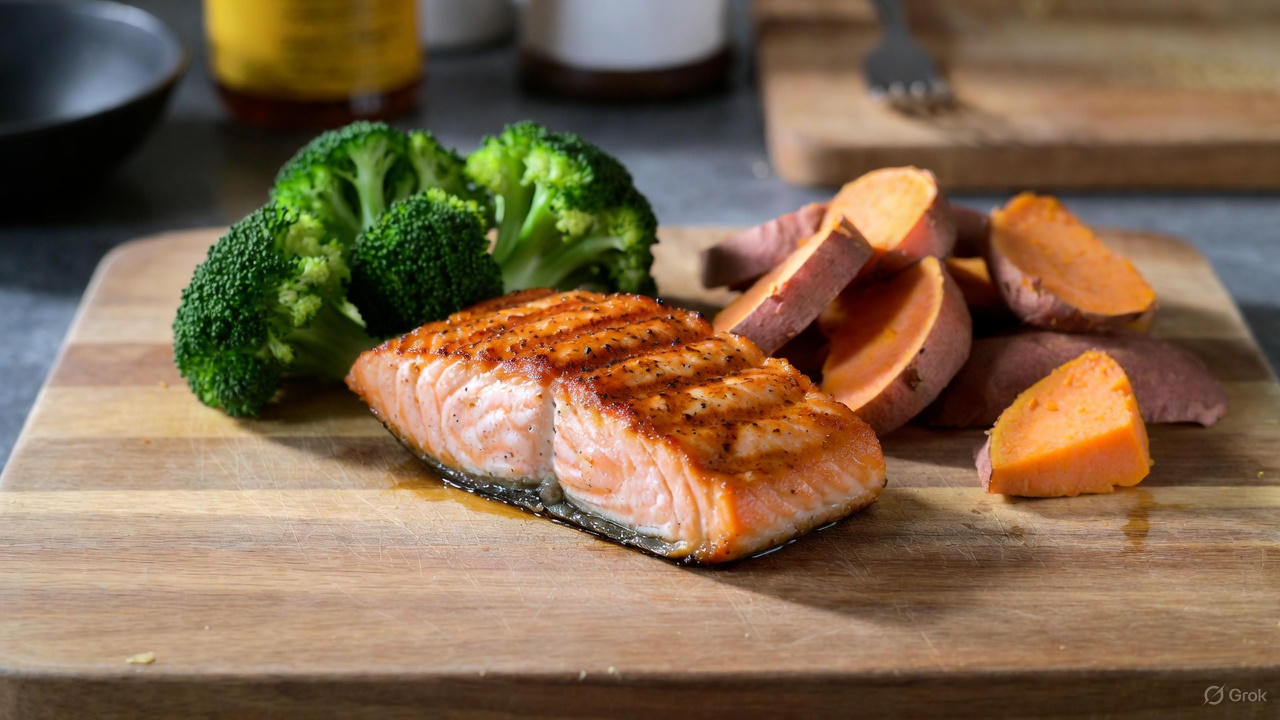
- Cruciferous vegetables (broccoli, Brussels sprouts): Rich in sulforaphane.
- Olive oil: A staple in longevity-associated diets.
- Turmeric: Provides curcumin, which research explores for cellular benefits.
Intermittent eating windows (like 12-14 hours without food overnight) align with how many long-lived groups naturally eat.
This ties into the next mechanism—let’s explore protein production.
Nutrients That Help Maintain Ribosome Efficiency (Dr. Venki Ramakrishnan’s Research)
Dr. Venki Ramakrishnan shared the 2009 Nobel Prize in Chemistry for mapping the ribosome’s structure, the cellular machinery that synthesizes proteins.
Efficient protein production supports tissue repair and immune function. Balanced nutrition, including moderate protein and key minerals, appears important based on biological studies.
Supportive foods include:
- Legumes (beans, lentils, chickpeas): Plant-based protein sources.
- Nuts (almonds, pumpkin seeds): Rich in magnesium.
- Eggs and fish: High-quality proteins.
- Avocados and dark chocolate (in moderation): Additional nutrient sources.
Calorie moderation without malnutrition—common in longevity studies—may also help by shifting resources toward maintenance.
Everyday Foods Commonly Found in Long-Lived Populations
Observations from “Blue Zones”—regions where people often reach 100 with good health—reveal overlapping patterns: mostly plant-based meals, beans as a staple, and limited processed foods.
Common daily choices:
- Beans or lentils (at least half a cup cooked).
- Plenty of vegetables and fruits.
- Whole grains like oats or quinoa.
- Nuts as snacks.
- Herbal teas or moderate wine with meals (in some regions).
These habits emphasize whole foods over supplements.
A Simple Daily Eating Guide Inspired by the Science
Here’s a practical way to incorporate these ideas—focus on consistency rather than perfection.
Breakfast ideas:
- Oatmeal with berries, nuts, and a splash of plant milk.
- Eggs with spinach and tomatoes, plus green tea.
Lunch examples:
- Large salad with leafy greens, chickpeas, olive oil dressing, and avocado.
- Quinoa bowl with colorful veggies and beans.
Dinner suggestions:
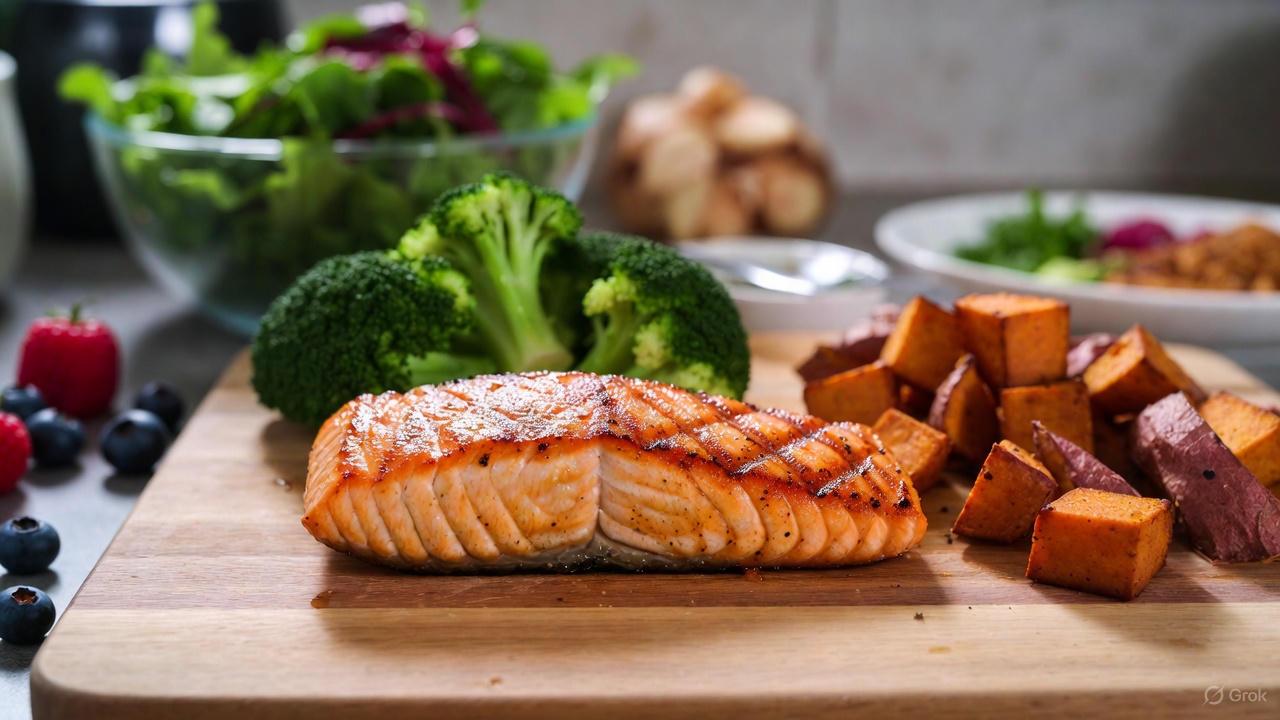
- Grilled salmon (a few times a week) with broccoli and sweet potatoes.
- Lentil stew with cruciferous veggies and turmeric.
Snacks:
- A handful of walnuts or dark chocolate (70%+ cocoa).
- Fresh berries or herbal tea.
Try eating within a 10-12 hour window to align with natural rhythms.
Research shows combining this with daily movement, good sleep, and stress management amplifies benefits.
Additional Habits That Complement Food Choices
Studies on long-lived groups highlight:
- Regular natural movement (walking, gardening).
- 7-9 hours of quality sleep.
- Strong social ties.
- Purposeful daily activities.
Start small—one new food or habit at a time.
Your Next Steps for Everyday Wellness
Pick one food from the lists above to add tomorrow, like berries to breakfast or green tea in the afternoon. Track how you feel over a few weeks. Share these ideas with friends or family for mutual encouragement.
Small, sustainable changes add up. The science points to accessible options that fit real life.
Frequently Asked Questions
1. How quickly might I notice changes from these foods?
Everyone is different, but studies suggest benefits to energy and well-being can appear in weeks to months with consistency.
2. Do I need to follow a strict diet?
No—focus on adding nutrient-rich whole foods gradually. Variety and enjoyment matter for long-term habits.
3. Are supplements necessary?
Whole foods provide a broad range of nutrients. Consult a healthcare provider before adding supplements.
This article is for informational purposes only and is not intended as medical advice. Always consult your healthcare provider before making dietary changes, especially if you have health conditions.
(Word count: approximately 1,350)