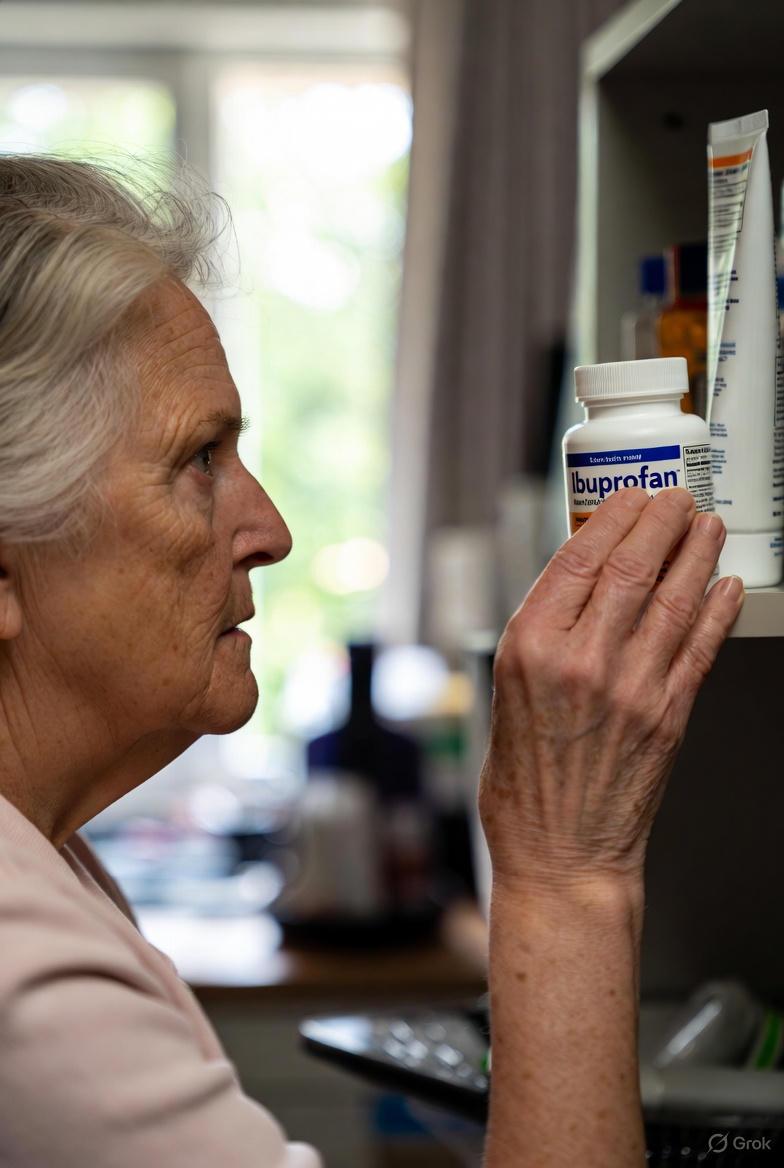
Many people over 60 reach for ibuprofen to ease joint stiffness, headaches, or chronic aches from conditions like arthritis. It provides quick relief by reducing inflammation, and it’s readily available over the counter. Yet this familiar choice can come with hidden concerns that build quietly over time, especially for heart health.
As we age, our bodies become more sensitive to certain medications. Frequent use of drugs like ibuprofen—part of a group called nonsteroidal anti-inflammatory drugs (NSAIDs)—has been linked in studies to higher chances of blood pressure changes, fluid retention, and strain on the heart. But here’s the good news: simple awareness and small adjustments can help maintain comfort while supporting overall well-being. Keep reading to uncover practical steps that many find surprisingly effective.

Understanding NSAIDs and Their Common Use in Older Adults
Ibuprofen is one of the most popular NSAIDs for managing pain in seniors. It works well for many because it targets inflammation directly.
Research shows that millions of older adults rely on these medications regularly. Studies indicate that while occasional use is generally low-risk for most, ongoing reliance can introduce challenges, particularly related to cardiovascular function.
But that’s not the whole story—let’s explore how these effects happen.
How NSAIDs Like Ibuprofen Can Affect Heart Health Over Time
NSAIDs help reduce pain and swelling, but they can also influence how the body handles sodium and fluids. This may lead to slight elevations in blood pressure or added stress on blood vessels.
In some cases, they might interact with medications commonly used for heart-related concerns. Research suggests these effects are often dose-dependent and more noticeable with regular use.
Here’s a quick comparison to illustrate key differences in potential impacts:
| Aspect | Occasional Use | Frequent Use | Considerations for Older Adults |
|---|---|---|---|
| Blood Pressure Changes | Usually minimal | May become more noticeable | Bodies can be more sensitive |
| Fluid Retention | Rare | More common | Can signal added heart effort |
| Interaction with Other Meds | Low likelihood | Higher possibility | Common in those with multiple prescriptions |
| Overall Heart Strain | Generally low | Potentially increased over time | Studies highlight caution with long-term use |
The surprise for many is how gradual these changes can be.

Key Concerns Highlighted by Research for Those Over 60
Studies have pointed to several areas where frequent NSAID use might contribute to heart-related challenges in older adults:
- Mild elevations in blood pressure that accumulate gradually.
- Possible reduced effectiveness of certain blood pressure medications.
- Indirect effects through kidney function changes.
- Increased swelling, which can be an early sign.
- Potential links to irregular heart rhythms in some observations.
- Worsening of symptoms in those with existing heart concerns.
- Interactions affecting blood clotting balance.
- Higher odds of vascular events like stroke.
- Dose-related increases in heart event risks—the primary focus of many expert reviews.
Guidelines often emphasize short-term use at the lowest effective dose. But there are often overlooked options that provide relief without these concerns.
Real Stories from Older Adults Who Made Adjustments
Consider someone like many we’ve heard from: a 70-year-old active individual who used ibuprofen daily for joint discomfort. They noticed gradual fatigue and puffiness, only realizing later it tied to fluid changes.
After discussing with their doctor and trying alternatives, energy levels improved significantly. Another person in their late 60s with mild heart history found that switching reduced unexpected doctor visits.
These experiences highlight how personalized approaches can make a difference. The truth is, pain relief doesn’t have to come at the expense of heart support.
Practical Daily Tips for Managing Pain More Gently
Many find success starting with these evidence-based steps:
- Begin with acetaminophen for mild to moderate discomfort—it’s often recommended first by experts.
- Use topical creams or gels for targeted areas to avoid widespread effects.
- Incorporate gentle movement, like walking or stretching.
- Apply heat or cold packs as needed.
- Stay hydrated and monitor how your body responds.
Here’s a list of everyday habits that can help:
- Try acetaminophen at appropriate doses before reaching for NSAIDs.
- Limit any NSAID to short periods when truly needed.
- Consider topical options for joints or muscles.
- Track blood pressure at home if using pain relievers regularly.
- Include low-impact activities like swimming or yoga.
- Avoid NSAIDs if there’s a history of heart failure—discuss alternatives.
- Use heat therapy in the morning and cold in the evening.
- Plan chronic pain discussions with your healthcare provider.
- Read labels carefully to understand active ingredients.
These small changes often add up to meaningful comfort.
Safer Approaches to Everyday Comfort for Older Adults
Acetaminophen stands out as a frequent first-line suggestion because it doesn’t carry the same inflammation-related heart concerns as NSAIDs.
Topical applications deliver relief directly without entering the bloodstream as much. Lifestyle supports—like consistent gentle exercise and balanced hydration—complement these well.
Research supports exploring these before long-term NSAID reliance, especially over 60.
Frequently Asked Questions
Is occasional ibuprofen use safe for older adults with no heart issues?
Many studies suggest short-term, low-dose use is generally low-risk for most, but individual factors matter—always check with a provider.
What makes acetaminophen a common recommendation over NSAIDs?
It provides effective pain relief without the same potential impacts on blood pressure, fluid balance, or heart medications noted in NSAID research.
Can lifestyle changes really reduce the need for pain medication?
Yes—gentle activity, heat/cold therapy, and weight management often help manage discomfort, as supported by various health guidelines.
Final Thoughts on Informed Pain Management
Awareness of how common pain relievers interact with aging bodies empowers better daily choices. Many older adults find that prioritizing options like acetaminophen, topicals, and supportive habits leads to sustained comfort and vitality.
Discuss your routine with a healthcare professional—they can tailor guidance to your unique situation.
This article is for informational purposes only and is not a substitute for professional medical advice. Please consult your healthcare provider for personalized recommendations.