Many people notice their smiles looking a bit duller over time from everyday habits like enjoying coffee, tea, or red wine. This can make you feel self-conscious when smiling in photos or chatting with friends. The frustration builds when you want a simple way to freshen things up without spending a lot or visiting the dentist right away.
But what if there was an easy at-home approach using common household items that some find helpful for surface brightness? Keep reading to discover more about it and how to try it thoughtfully.
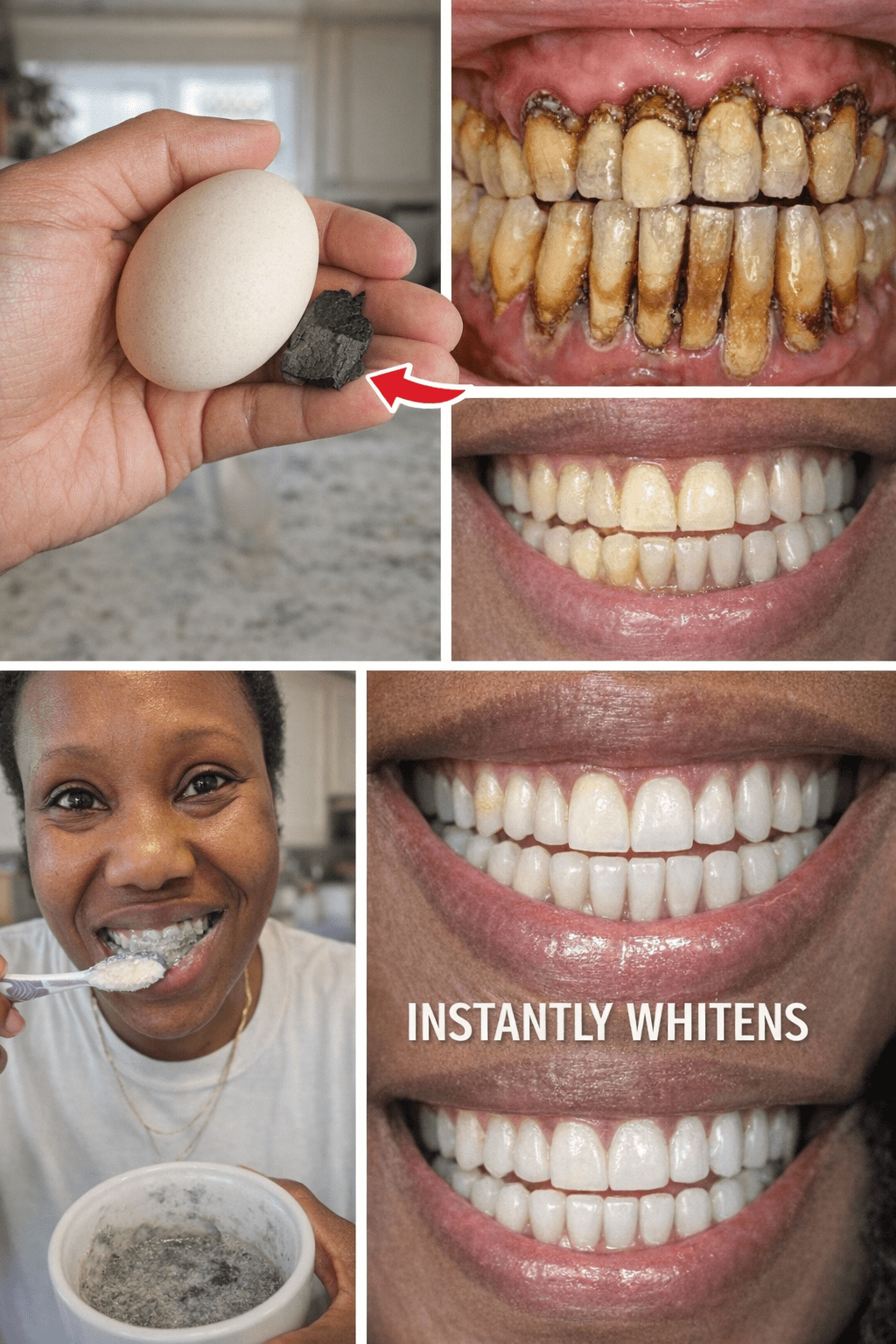
Why Do Teeth Lose Their Brightness?
As we get older, teeth can naturally appear less white due to surface stains from foods, drinks, and plaque buildup. These are called extrinsic stains, and they’re common.
Research shows that mild abrasives and certain agents can help polish away some of these surface marks. Many people look for gentle, natural options to support a fresher look.
But that’s not all—let’s dive into one popular combo that’s easy to find at home.
Understanding Baking Soda and Hydrogen Peroxide
Baking soda is a mild abrasive often used in toothpastes for its polishing effect. Hydrogen peroxide, in low concentrations, is found in many over-the-counter whitening products.
Some studies on commercial toothpastes containing these ingredients suggest they can help reduce surface stains over time. For example, clinical trials have shown gradual improvements in tooth shade with regular use of formulated products.
Here’s the interesting part: People often mix them at home for a quick paste.
Step-by-Step Guide to Trying the Paste at Home
If you’re curious about this method, here’s how some people prepare it safely:
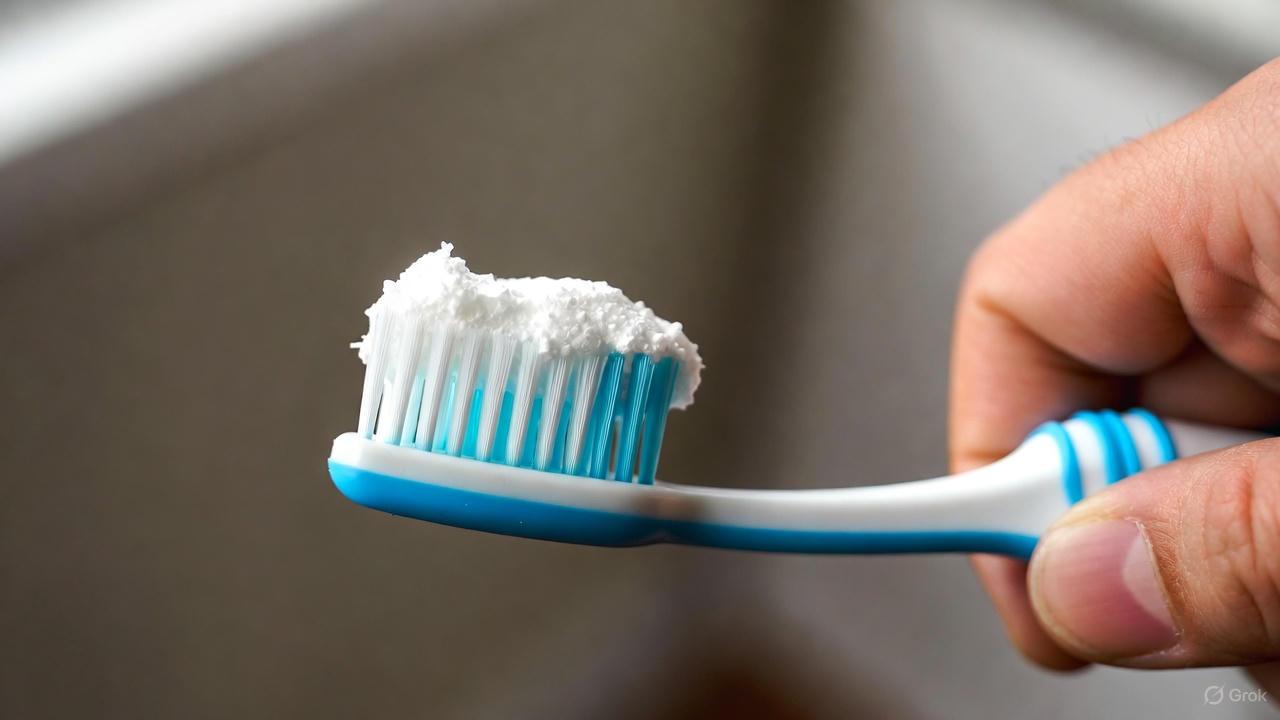
- Use 1-2 teaspoons of baking soda.
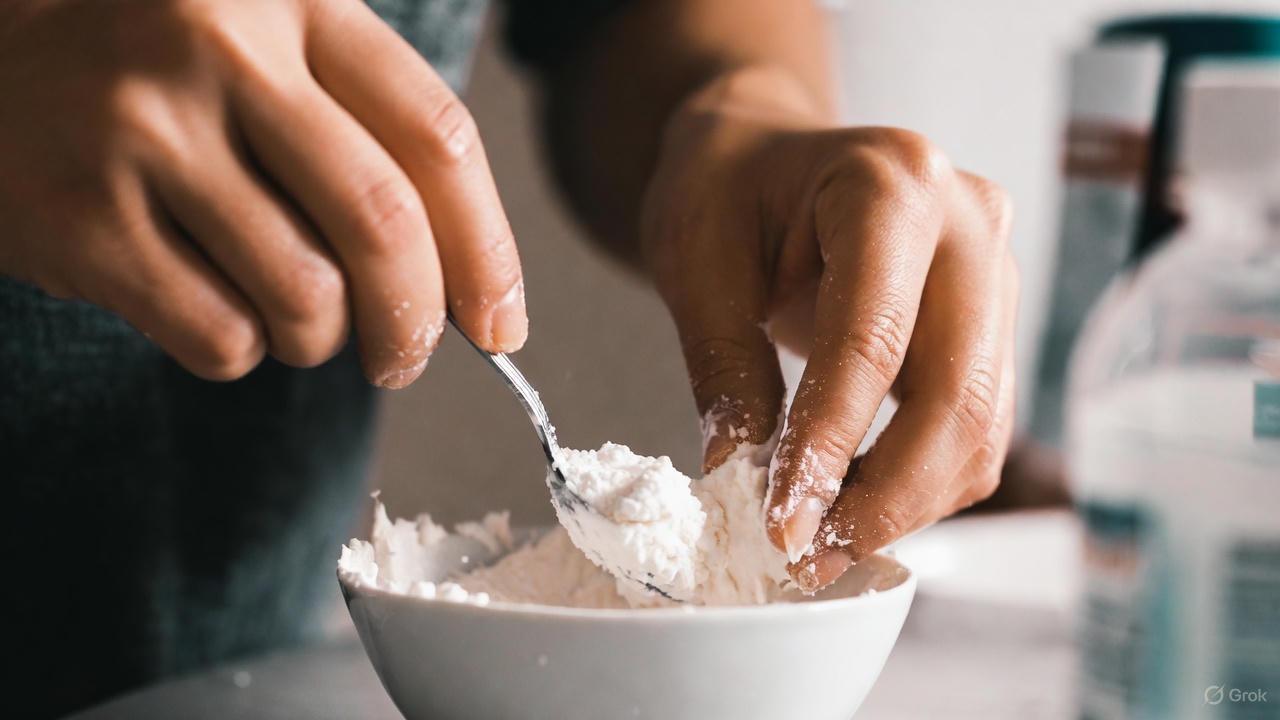
- Add a small amount of 3% hydrogen peroxide (available at pharmacies) to make a paste.
- Apply to a soft toothbrush.
- Brush gently for 1-2 minutes.
- Rinse thoroughly with water.
Always follow with your regular fluoride toothpaste to support enamel health.
But hold on—safety comes first. Let’s talk about that next.
Important Safety Tips to Keep in Mind
This approach isn’t for everyone, and it’s key to be cautious:
- Use only 3% hydrogen peroxide—higher concentrations can be too strong.
- Brush gently to avoid gum irritation.
- Limit to 2-3 times per week at most.
- Stop if you notice sensitivity or discomfort.
- Avoid swallowing the mixture.
Dental experts note that overuse of abrasives or peroxide can lead to enamel wear or gum issues. Research highlights potential side effects like temporary sensitivity.
The truth is, while some find it helpful for surface polish, it’s not as strong as professional options.
How Does This Compare to Other Methods?
Many wonder how home mixes stack up against store-bought or professional care. Here’s a simple comparison:
| Method | Time per Use | Cost | Frequency Suggestion | Notes |
|---|---|---|---|---|
| Baking Soda + Peroxide Paste | 1-3 minutes | Very low | 2-3 times/week | Home mix; gentle if used sparingly |
| Whitening Toothpaste | 2 minutes | Low | Daily | Often ADA-approved; includes fluoride |
| Over-the-Counter Strips | 30-60 minutes | Moderate | As directed | Convenient; follow instructions |
| Professional Treatment | 60-90 minutes | Higher | Occasional | Supervised; stronger results |
This table shows options vary in effort and results. Studies suggest commercial products with these ingredients can be effective when used as directed.
Here’s something surprising: Good daily habits often make the biggest difference long-term.
Daily Habits to Support a Brighter Smile
In addition to any remedies, these tips can help maintain freshness:
- Brush twice daily with fluoride toothpaste.
- Floss regularly to remove plaque.
- Drink staining beverages through a straw.
- Eat crunchy fruits and veggies like apples for natural cleaning.
- Rinse with water after meals.
Research links consistent oral care to less stain buildup. Imagine combining these with occasional polishing for better support.
But wait—there’s more to consider for best results.
Signs This Might Be Worth Exploring
You may notice:
- Slight yellowing from coffee or tea.
- Dullness in certain lighting.
- Uneven surface tone.
These common signs often respond to gentle polishing. Many report feeling their smile looks fresher after trying simple routines.
The exciting part? It’s all about finding what fits your routine safely.
Wrapping It Up: Supporting Your Smile Journey
Exploring home options like this paste can be a simple way to polish surface stains using everyday items. When done carefully and sparingly, some people notice a subtle brightening effect over time.
Pair it with strong daily habits for the best support. Your smile deserves attention—start small and see what works for you.
Frequently Asked Questions
How often can I try this baking soda and peroxide paste?
Most sources suggest limiting to 2-3 times per week to avoid irritation. Always monitor how your teeth and gums feel.
Will this method work on deep or intrinsic stains?
It’s mainly for surface stains. Deeper discoloration may need professional advice.
Is this safe for sensitive teeth?
It might increase sensitivity for some. Start slow and stop if discomfort occurs. Consult a dentist for personalized tips.
This article is for informational purposes only and is not a substitute for professional dental advice. Always consult your dentist before trying new oral care routines, especially if you have sensitive teeth, gums, or existing conditions.