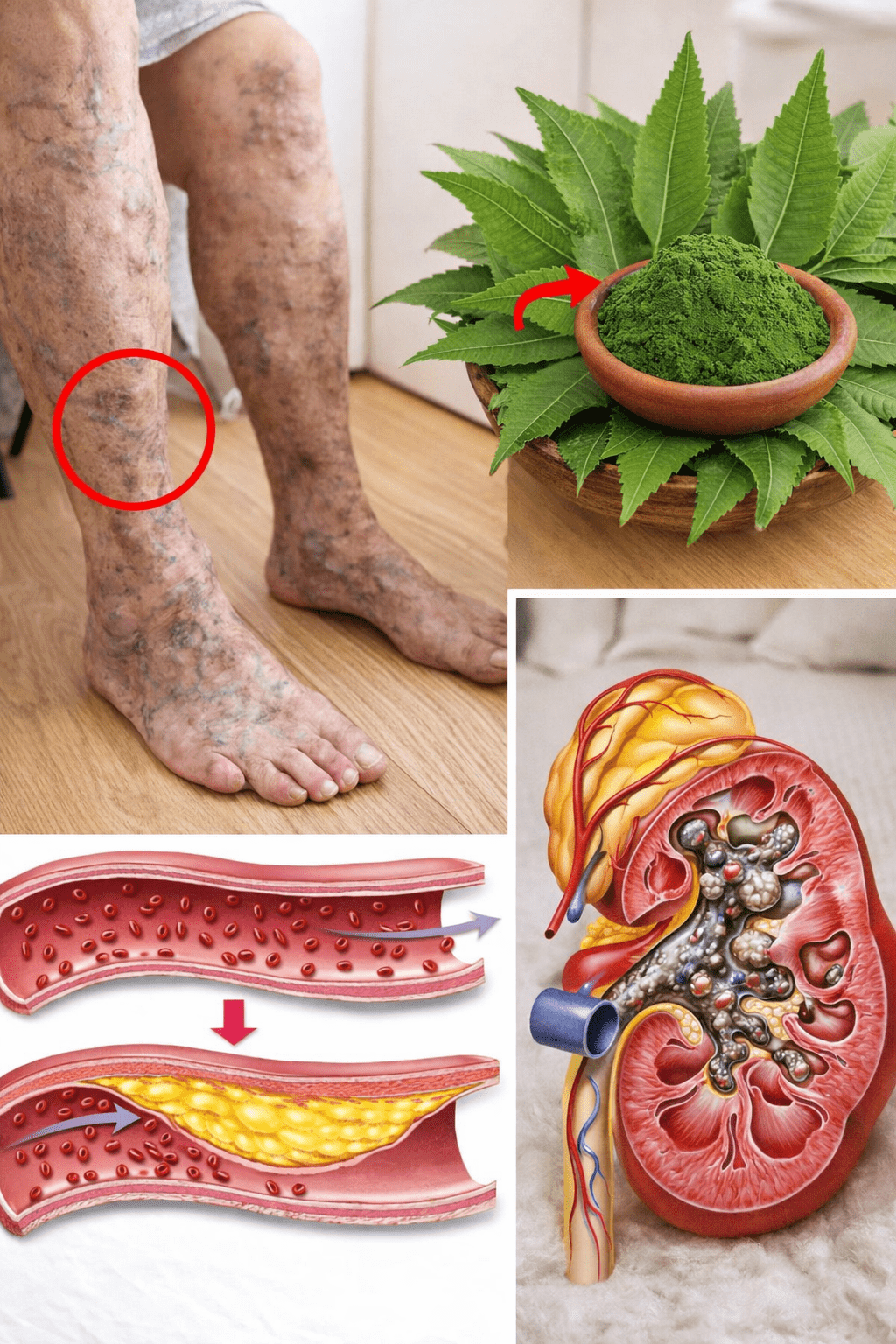
In today’s fast-paced world, many people deal with occasional skin irritations, digestive discomfort, or the need for natural ways to feel more balanced. These common issues can make everyday life feel a bit heavier, especially as we navigate stress and environmental factors. Yet, there’s a simple, natural option rooted in centuries-old traditions that more adults are turning to for gentle support.
What if a humble leaf could offer unexpected help in these areas? Keep reading to uncover the intriguing possibilities of neem leaves—and a surprising traditional use that might just become your new favorite habit.
What Are Neem Leaves and Why Are They Gaining Attention?
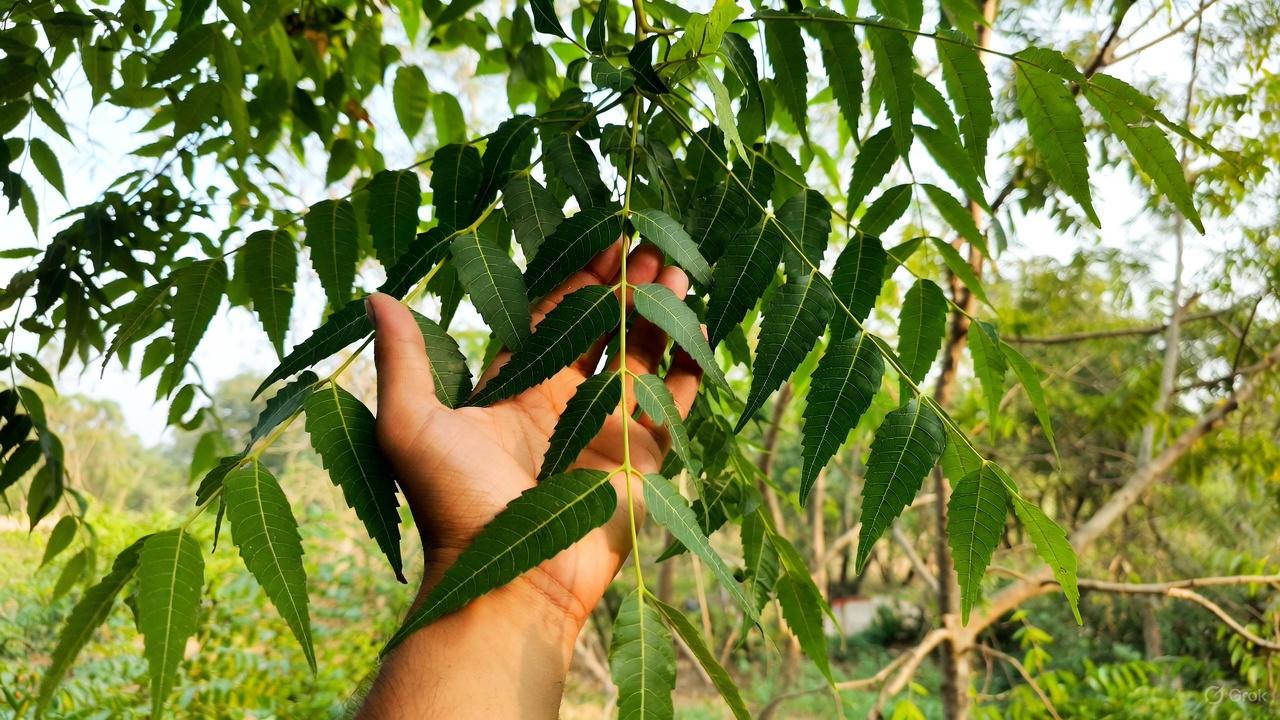
Neem, known scientifically as Azadirachta indica, is a tree native to tropical regions like India. For thousands of years, its leaves have been a staple in Ayurvedic practices.
People traditionally used them for everything from skin care to oral hygiene. Today, researchers are taking a closer look at the bioactive compounds—like nimbin and azadirachtin—that give neem its unique properties.
Studies suggest these compounds may have antioxidant and anti-inflammatory effects. But that’s just the beginning.
The Science Behind Neem’s Potential Benefits
Modern research is exploring how neem leaves might contribute to overall wellness. For instance, lab and animal studies indicate strong antioxidant activity thanks to polyphenols.
Other preliminary research points to possible support for healthy inflammatory responses. Human studies are still emerging, but the findings are encouraging enough to spark interest worldwide.
The bitterness of neem isn’t just a taste—it’s a sign of its potent plant compounds. And many who try it find the effort worthwhile.
Here’s a quick overview of common forms and how people use them:
| Form | Common Preparation | Everyday Use Example | Notes for Beginners |
|---|---|---|---|
| Fresh Leaves | Chew directly or make a paste | Oral freshness or topical | Start with just 1-2 leaves |
| Dried Powder | Mix into water or smoothies | Internal support | Convenient and long-lasting |
| Tea/Infusion | Steep dried leaves in hot water | Soothing drink | Mild taste when brewed lightly |
| Neem Oil | Dilute with a carrier oil | Skin or hair application | Always patch test first |

9 Ways Neem Leaves May Support Your Wellness Routine
Tradition and early research highlight several interesting areas where neem leaves could play a role. Here’s a closer look:
- Promoting Oral Freshness
Chewing neem twigs or leaves is an age-old practice for a clean feeling in the mouth. - Easing Occasional Digestive Comfort
A mild neem tea is sometimes used to soothe temporary tummy upset. - Supporting Hair and Scalp Health
Applying diluted neem oil may help calm an itchy scalp. - Comforting Minor Skin Irritations
A simple neem paste has been a go-to for generations when skin feels bothered. - Exploring Blood Sugar Balance
Some animal and early human studies suggest neem may influence glucose metabolism—worth discussing with a doctor if relevant. - Enhancing Skin Clarity
Topical use is popular for helping skin look clearer and calmer. - Boosting Antioxidant Intake
The rich polyphenol content offers natural cellular support. - Natural Insect Repellent
Neem oil is a gentle, plant-based way to deter bugs outdoors. - Supporting Immune Function
Perhaps the most researched area—preliminary studies show neem compounds may help modulate immune responses.
This last one is what surprises many people the most.
Real Experiences: What People Are Saying
Many adults have shared positive stories after adding neem to their routine.
Take Sarah, a 58-year-old teacher who struggled with dry, irritated skin. After using diluted neem oil regularly, she noticed her skin felt smoother and more comfortable.
Or Mike, 62, who started sipping mild neem tea. He reported feeling lighter after meals and more energized throughout the day.
Of course, everyone’s experience is different, but these anecdotes align with traditional use.
How to Safely Incorporate Neem Leaves into Your Day
Starting slowly is key. Here are practical, step-by-step tips:
- For Tea: Steep 4–5 dried leaves in hot water for 5–10 minutes. Start with one cup every other day.
- For Topical Use: Mix neem oil with coconut or jojoba oil (1:10 ratio). Apply a small amount to clean skin.
- Powder Option: Add ¼ teaspoon to a morning smoothie. Increase gradually if it feels right.
- Fresh Leaves: Chew one small leaf briefly, then spit out if the taste is too strong.
Always choose high-quality, organic sources for the best experience.
Safety reminders:
- Perform a patch test before using oil on larger areas.
- Limit intake if you’re new to neem.
- Avoid high doses over long periods.
Who Should Be Cautious with Neem?
While generally considered safe in moderate amounts, neem isn’t for everyone.
Pregnant or breastfeeding individuals should avoid it. The same goes for young children.
If you take medications—especially for blood sugar or immune conditions—talk to your healthcare provider first.
Listening to your body is always the smartest approach.
Final Thoughts: Is Neem Worth Trying?
Neem leaves offer a fascinating blend of ancient wisdom and modern curiosity. From skin comfort to antioxidant support, the potential benefits make it an intriguing natural option for daily wellness.
Starting small and staying consistent could reveal gentle improvements over time. And that overlooked traditional habit of using neem twigs for brushing? It’s a simple, zero-waste way many still swear by for fresh breath.
Give neem a thoughtful try—you might be pleasantly surprised by this bitter-yet-promising leaf.
Frequently Asked Questions
Are neem leaves safe for daily use?
In moderate amounts and proper forms, many people use them daily without issues. Start low and monitor how you feel.
How long does it take to notice any effects?
Experiences vary, but some report feeling differences within a few weeks of consistent, moderate use.
Can I grow my own neem tree?
Yes! Neem thrives in warm climates or as a potted plant indoors in cooler areas. Fresh leaves are a rewarding harvest.
This article is for informational purposes only and is not intended to diagnose, treat, cure, or prevent any disease. Always consult your healthcare professional before adding new herbs or supplements to your routine, especially if you have existing health conditions or take medications.