Many adults, especially those over 40, experience ongoing tiredness, mood changes, or unusual sensations that disrupt daily life. These issues can feel frustrating when rest, exercise, or diet tweaks don’t help much. Research shows that low or marginal vitamin B12 levels are fairly common in older adults, affecting up to 20% in some groups, often due to diet or absorption challenges. But here’s the encouraging part: simple steps like adding certain foods can make a real difference—and we’ll explore practical ways to do that ahead.
Why Vitamin B12 Matters for Energy and Overall Health
Vitamin B12 plays a key role in helping your body produce red blood cells, support nerve function, and maintain energy levels. Studies indicate that insufficient B12 can contribute to various everyday symptoms.
It’s more common than many realize, particularly as we age, because absorption from food can naturally decrease. Certain diets or medications may also play a role.
The good news? Paying attention to food sources and habits can help support healthy B12 levels.
But that’s not all—let’s look at some signs research has linked to low B12.
Sign 1: Ongoing Fatigue Despite Good Rest
Feeling drained day after day, even after a full night’s sleep, is something many people notice.
Research suggests this can relate to B12’s role in red blood cell production, which helps carry oxygen throughout the body.
When levels are low, it might lead to reduced energy delivery to cells.
Many find that focusing on B12-rich foods helps them feel more alert over time.
Sign 2: Mood Changes or Irritability
Unexpected shifts in mood or feeling more irritable than usual can be unsettling.
Studies have explored how B12 supports brain chemicals involved in mood regulation.
Low levels might influence these processes, according to some research.
Addressing nutrient intake through diet is a straightforward step many try.
Here’s a quick self-check: How often do you notice these changes on a scale of 1-5?
Sign 3: Pale or Unusually Tinged Skin
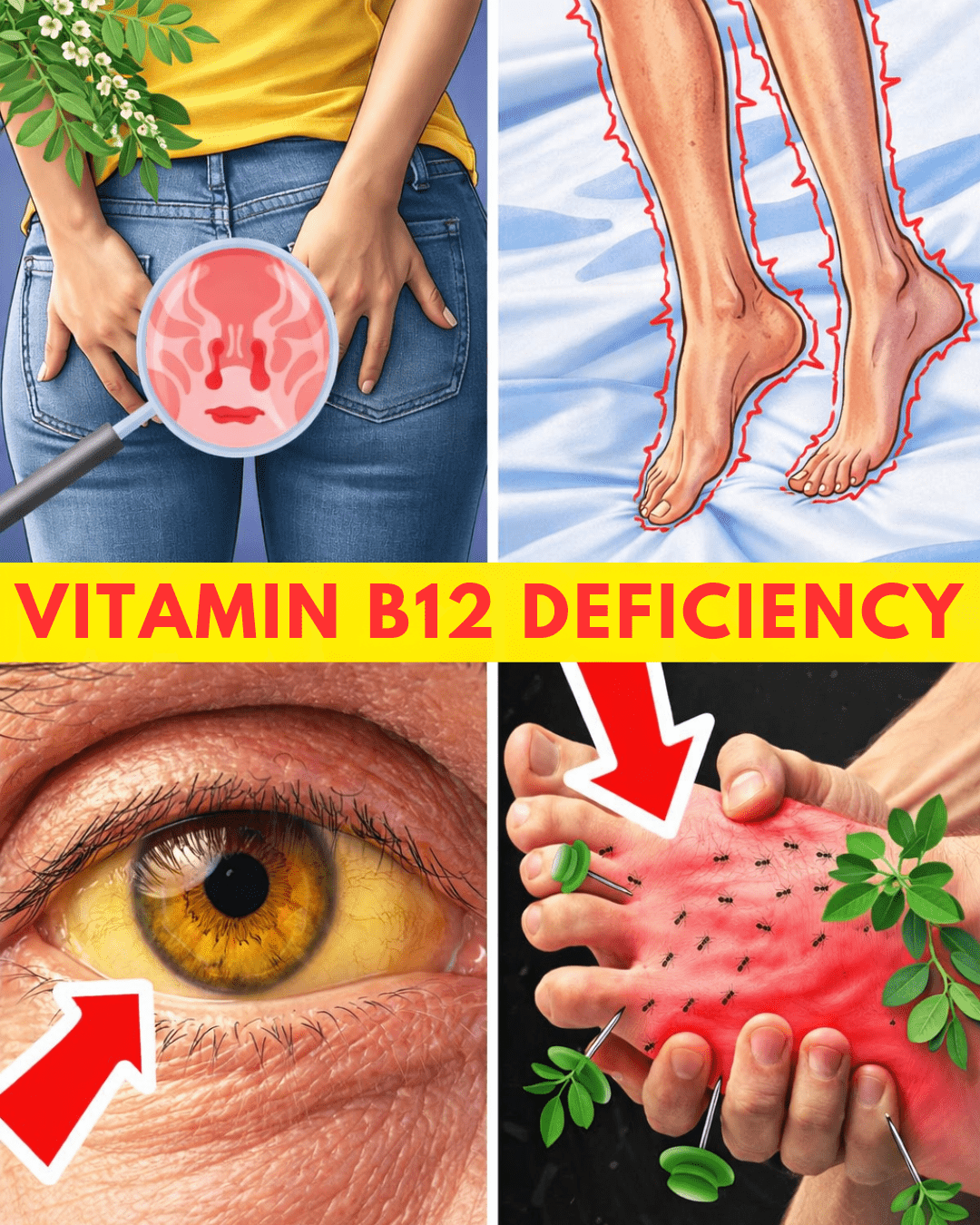
Noticing your skin looks paler or has a slight yellowish hue without a clear reason?
This can stem from how B12 affects red blood cell health and pigment release, per scientific observations.
It’s one of those subtle changes that might go unnoticed at first.
Sign 4: Soreness or Discomfort in the Tongue or Mouth
A swollen, red, or painful tongue, sometimes with sores, can make eating uncomfortable.
Research points to B12’s importance in maintaining healthy mouth tissues.
This symptom, known as glossitis in studies, often improves with better nutrient support.

Sign 5: Tingling or Numbness in Hands or Feet
That “pins and needles” feeling or numbness can be concerning.
B12 helps protect nerve coverings, and low levels may affect peripheral nerves, as noted in medical reviews.
Many report relief after incorporating more B12 sources.
Sign 6: Occasional Heart Palpitations
Feeling your heart race or flutter unexpectedly?
This might connect to how low B12 can strain oxygen delivery to the heart, based on research.
It’s worth monitoring and discussing with a professional.
Sign 7: Brain Fog or Memory Lapses
Struggling with focus, forgetting things more often, or feeling mentally sluggish?
Studies suggest B12 supports nerve signals and cognitive function.
Supporting levels through food is a common approach.
Sign 8: Weakness or Balance Issues
General weakness, trouble with coordination, or unsteady balance can impact daily activities.
Untreated low B12 may compound nerve-related effects over time, according to evidence.
Now that we’ve covered these 8 signs, let’s move to actionable steps.
Top Natural Food Sources of Vitamin B12
The best way to get B12 is from food. Here are some excellent options:
- Clams and shellfish: Among the highest sources.
- Liver and organ meats: Very rich in B12.
- Fish like salmon, trout, and tuna: Easy everyday choices.
- Beef and poultry: Reliable animal-based options.
- Eggs and dairy (milk, yogurt, cheese): Great for many diets.
- Fortified foods: Cereals, plant milks, or nutritional yeast for those needing alternatives.
| Food Source | Approximate B12 per Serving | Notes |
|---|---|---|
| Clams (3 oz) | High (over 100% daily needs) | Shellfish leader |
| Beef liver (3 oz) | Very high | Organ meat powerhouse |
| Salmon (3 oz) | Good amount | Fatty fish option |
| Eggs (2 large) | Moderate | Versatile and accessible |
| Fortified cereal (1 cup) | Varies, often 100%+ | Check labels for vegans |
Including a variety of these can help maintain steady levels.

Practical Tips to Support B12 Intake and Absorption
Here are step-by-step ideas you can start today:
- Add one B12-rich food to each meal, like eggs at breakfast or salmon for dinner.
- Choose fortified options if your diet limits animal products.
- Consider the methylcobalamin form in supplements if needed—some research suggests good bioavailability.
- Eat with meals for general nutrient support, though absorption varies.
- Get levels checked regularly, especially over 50, as absorption can change with age.
Research shows consistent intake from food or fortified sources works well for most.
But the real key? Making small, sustainable changes.
Frequently Asked Questions
How common is low vitamin B12 in adults?
Studies show marginal levels can affect up to 20-40% in older Western populations, often without obvious symptoms at first.
Can diet alone provide enough B12?
Yes, for many—animal foods are natural sources. Those with restricted diets may benefit from fortified foods.
When should I see a doctor?
If symptoms persist or concern you, a simple blood test can check levels. Always consult for personalized advice.
In summary, recognizing these signs and focusing on B12-rich foods offers a helpful starting point for better energy and well-being.
This article is for informational purposes only and is not a substitute for professional medical advice. Please consult your healthcare provider for any health concerns or before making changes to your diet or supplements.