You step out into your backyard for a relaxing evening on the patio furniture, only to spot small reddish-brown insects crawling on cushions or near potted plants. The frustration sets in quickly—those itchy spots from recent bites make you worry about pests disrupting your outdoor haven. Online suggestions point to simple household items like salt as a quick fix, promising easy relief. But rushing into unproven approaches can lead to more hassle, damaging your soil or plants without addressing the issue. Keep reading to uncover the facts behind these popular ideas and discover straightforward, garden-friendly ways to maintain a comfortable outdoor area.
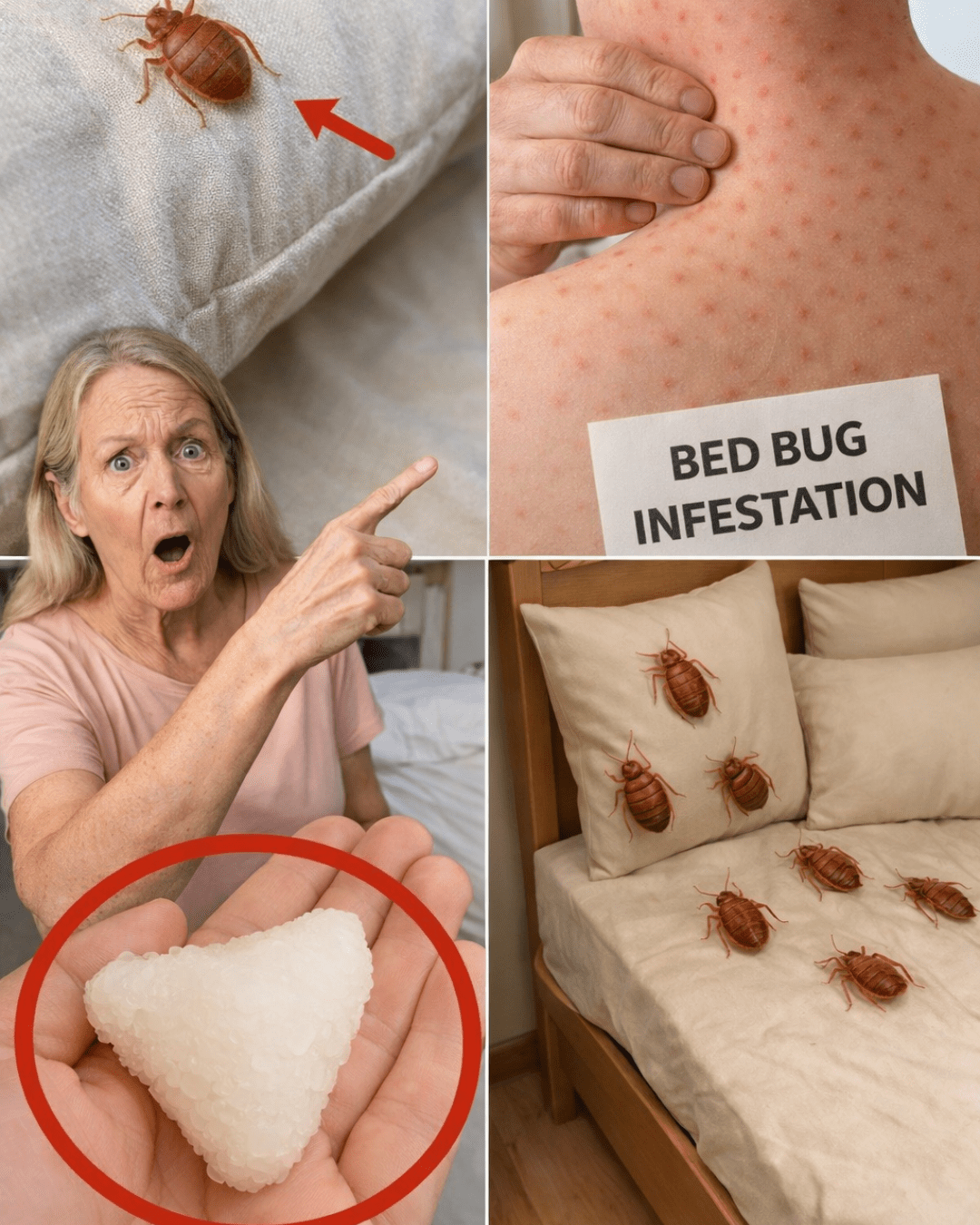
Are These Insects Commonly Found in Gardens and Outdoor Areas?
Many people notice small bugs outdoors and immediately think of well-known indoor pests. However, the typical indoor variety prefers sheltered, temperature-stable environments close to people.
Outdoor conditions pose challenges:
- Fluctuating temperatures
- Exposure to sunlight
- Limited access to preferred food sources
These factors make open gardens less ideal. Instead, sightings on patios, furniture, or pots often involve similar-looking insects like boxelder bugs or other outdoor species.
Research from entomology sources indicates that mistaken identification happens frequently. Taking a close-up photo or consulting local extension services can help clarify what you’re dealing with before any steps.
Why Salt Isn’t an Effective Option for Outdoor Bugs
Salt is sometimes recommended online for dehydrating soft-bodied pests like slugs. But for insects with protective outer layers, it doesn’t penetrate effectively.
Here’s why it falls short:
- The waxy exoskeleton blocks moisture loss
- These bugs don’t ingest salt or rely on it for survival
- Eggs in hidden spots remain unaffected
Studies and pest control experts note no significant impact from salt on hardy insects. More importantly, applying it to soil or plants can create issues:
- Disrupts nutrient balance
- Affects soil microbes
- Leads to root stress over time
In essence, it may harm your garden more than help with the bugs.
But that’s not all—there are reliable, non-disruptive methods that work better for outdoor spaces.

Practical Ways to Keep Outdoor Areas Comfortable
If you’ve confirmed bothersome insects on patio furniture or near plants, focus on mechanical and natural approaches that support your garden’s health.
1. Diatomaceous Earth: A Gentle Barrier Option
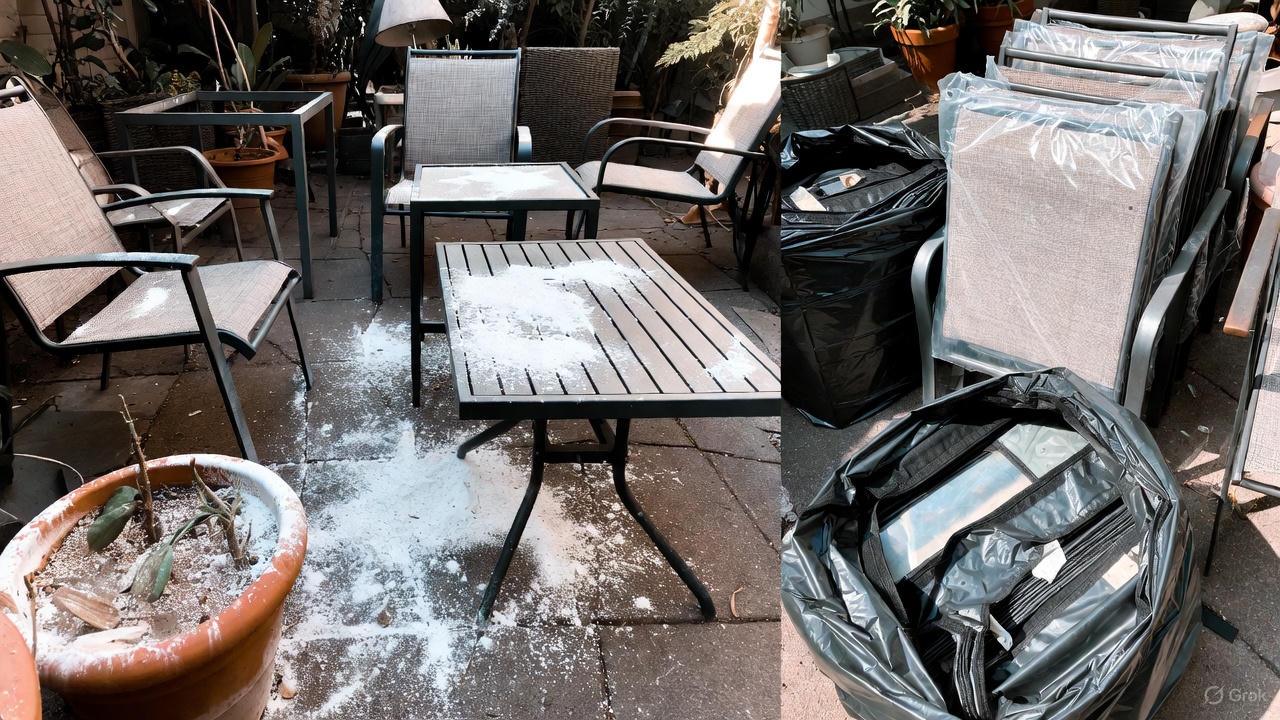
Food-grade diatomaceous earth (DE) consists of tiny fossilized particles with sharp edges. It works physically by abrading insect exteriors as they move.
How to apply it outdoors:
- Lightly dust around furniture bases, pot rims, and cracks
- Use a mask to avoid inhalation
- Reapply after rain, as it needs to stay dry
DE doesn’t alter soil chemistry and is safe for plants when used sparingly. Many gardeners report positive results with crawling insects.
2. Heat Exposure: A Simple Non-Chemical Method
High temperatures above 120°F can affect insects and eggs without residues.
Easy outdoor steps:
- Seal removable cushions or small items in black plastic bags
- Place in direct sunlight on hot days for several hours
- Use a handheld steamer on furniture seams and crevices
This approach is straightforward for patio items and avoids any soil contact.
3. Natural Repellents: Plant-Based Deterrents
Certain aromatic plants release scents that discourage insects from settling.
Effective options to incorporate:
- Lavender
- Mint varieties
- Thyme
- Basil
- Marigolds
Plant them in borders around seating areas or place crushed leaves near furniture. This adds beauty while providing a natural layer of protection.
4. Regular Maintenance: The Foundation of Prevention
Consistent habits reduce hiding spots and make outdoor spaces less inviting.
Key practices:
- Vacuum furniture cushions regularly with a filtered vacuum
- Hose down surfaces with warm soapy water
- Inspect under pots and in folds weekly
- Seal cracks in wooden structures
- Remove clutter like piled leaves or unused items
Early detection keeps things manageable.
Comparing Common Approaches: What the Evidence Shows
| Method | Effectiveness on Insects | Impact on Plants/Soil | Ease of Use Outdoors |
|---|---|---|---|
| Salt sprinkling | Limited evidence | Potential imbalance | Simple but temporary |
| Diatomaceous earth | Physical action noted | Minimal when dry | Moderate (reapply needed) |
| Heat/sun exposure | High for exposed items | None | Easy on sunny days |
| Aromatic plants | Repellent effect | Beneficial to garden | Ongoing planting |
| Thorough cleaning | Reduces populations | None | Routine effort |
Sources like university extension programs highlight mechanical and barrier methods as practical for outdoor settings.
Why Choosing Garden-Friendly Methods Matters
Opting for approaches that align with natural processes supports beneficial insects, soil health, and waterways. Over time, this creates a more balanced outdoor environment.
Final Thoughts: Simple Steps for a Peaceful Outdoor Space
Knowledge about insect behavior and proven habits beats trending ideas every time. Prioritize identification, then use targeted, non-disruptive techniques like barriers, heat, repellents, and upkeep. Your patio and garden can stay enjoyable with consistent, informed care.
Frequently Asked Questions
What if I spot bugs only on outdoor furniture?
Focus on that area first—vacuum, steam, or sun-treat items. Monitor for a few weeks to see if activity decreases.
How can I tell if it’s not the typical indoor pest?
Look for shape, movement, and location. Outdoor-active bugs often differ in habits. A clear photo helps with accurate info.
Are there plants that naturally discourage insects outdoors?
Yes, aromatic herbs like lavender and mint can help when planted nearby or used fresh.
Disclaimer: This information is for educational purposes only and is not intended to diagnose or treat any pest issue. Consult local experts or professionals for specific situations in your area.