Many people overlook the humble weeds growing in their yards, sidewalks, or gardens, not realizing these plants have been part of traditional wellness practices for generations. That familiar fuzzy herb pushing through cracks might seem ordinary, yet it frustrates gardeners while intriguing those interested in natural remedies. The good news? Exploring plants like Euphorbia hirta can open doors to time-honored ways people around the world have supported their daily comfort—and there’s a simple guide waiting below to help you get started safely.
What Is Euphorbia Hirta? A Closer Look at This Widespread Herb
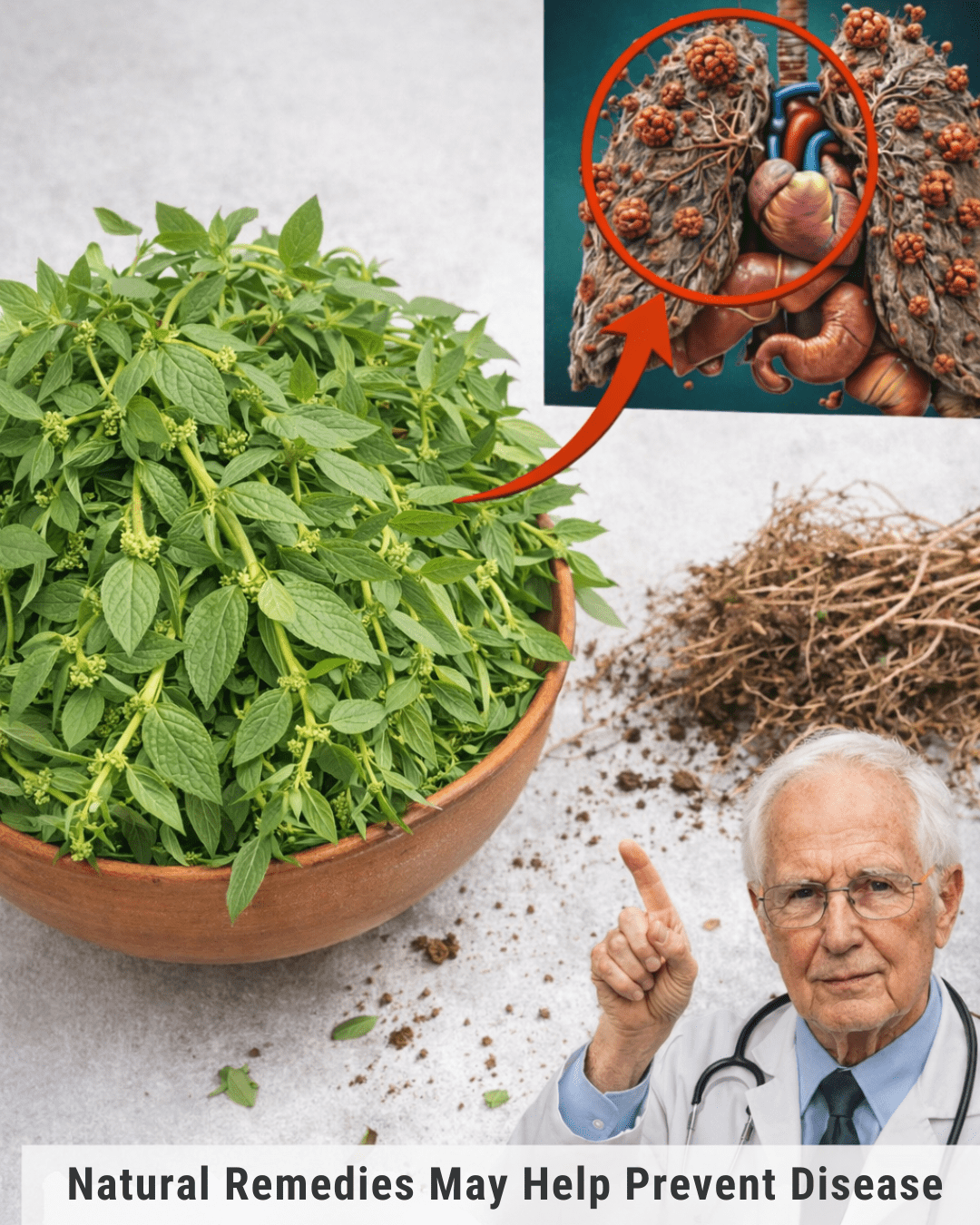
Euphorbia hirta, often called asthma weed or garden spurge, is a low-growing annual plant found in tropical and subtropical regions worldwide. It thrives in disturbed soil, like lawns, roadsides, and pathways.
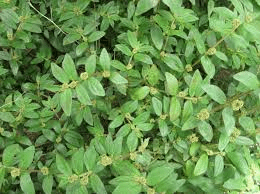
This herb features hairy stems, opposite leaves with a reddish tint, and tiny clusters of pinkish flowers. It typically reaches 6–18 inches tall and spreads easily.
In many cultures, from Asia to Africa and Latin America, people have turned to this plant for everyday support. Names like “tawa-tawa” in the Philippines highlight its role in folk traditions.
But that’s just the beginning…
How to Identify Euphorbia Hirta in Your Own Backyard
Spotting this plant is straightforward once you know what to look for. Here’s a quick guide:
- Stems: Slender, hairy, often reddish or purplish.
- Leaves: Opposite, elliptic-oblong, 1–2.5 cm long, darker green on top with possible purple blotches.
- Flowers: Tiny, clustered in small pinkish groups.
- Growth habit: Low-spreading, prostrate or ascending.
It prefers sunny spots and poor soil, making it a common sight in urban areas.
Research describes it as a pantropical herb with a long history of traditional use.
Traditional Ways People Have Used Euphorbia Hirta Around the World
Across continents, communities have incorporated this plant into daily routines. Here’s how it’s been approached traditionally:
- Supporting easier breathing during seasonal discomfort.
- Helping with digestive upset, like occasional loose stools.
- Soothing minor skin irritations or wounds.
- Aiding general comfort in times of mild inflammation.
Studies note its use in respiratory, gastrointestinal, and skin support in folk medicine.
The really interesting part? Modern research is exploring why these traditions persist…
What Research Says About Euphorbia Hirta’s Potential Properties
Scientists have investigated this plant’s compounds, including flavonoids like quercetin, tannins, and triterpenoids. Preliminary studies suggest:
- Anti-inflammatory effects: Animal models show reduced swelling.
- Antimicrobial activity: Extracts tested against bacteria like Staphylococcus and E. coli.
- Antioxidant support: Helping neutralize free radicals.
- Bronchodilator potential: Relaxing airway muscles in lab settings.
Reviews highlight activities such as antibacterial, anti-inflammatory, and antioxidant in lab and animal research.
One systematic review examined its traditional role in dengue symptom support, noting platelet-related observations in some studies.
However, human evidence remains limited, and more research is needed.
Key Compounds Found in Euphorbia Hirta
This plant contains a variety of natural chemicals that interest researchers:
- Quercetin and kaempferol (flavonoids with antioxidant properties)
- Gallic acid (known for antimicrobial potential)
- Tannins (astringent effects)
- Triterpenoids (possible anti-inflammatory role)
These work together in the whole plant, which traditional users often prefer.
Simple Ways to Prepare Euphorbia Hirta at Home (With Caution)
If you’re curious about traditional preparations, start small and informed. Here are common methods:
Herbal Tea Infusion
- Gather 10–15 fresh leaves (or 1 tablespoon dried).
- Boil in 2 cups of water for 10 minutes.
- Strain and sip 1–2 times daily, perhaps with honey.

Topical Paste
- Crush fresh leaves into a poultice.
- Apply to minor skin areas (dilute if needed).
- Rinse after a short time.
Always use gloves—the milky sap can irritate skin.
Research on toxicity shows low acute risk in animal tests, but moderation is key.
Important Safety Tips When Exploring Euphorbia Hirta
While traditional use is widespread, safety comes first:
- Avoid during pregnancy or breastfeeding—may cause contractions.
- Test for allergies: Patch test on skin first.
- Not for those with latex sensitivity.
- Large amounts might cause nausea or stomach upset.
- Consult a healthcare provider, especially if on medications.
WebMD notes insufficient evidence for many uses and potential side effects.
Comparison: Traditional vs. Research Insights on Euphorbia Hirta
| Aspect | Traditional Use | Research Findings |
|---|---|---|
| Respiratory Support | Tea for breathing comfort | Bronchodilator effects in animal studies |
| Digestive Aid | For occasional diarrhea | Antimicrobial against gut pathogens |
| Skin Application | Poultices for minor irritations | Anti-inflammatory in lab tests |
| General Wellness | Daily infusions | Antioxidant properties observed |
This table highlights alignment between folk wisdom and early science.
Here’s another helpful list:
Quick Do’s and Don’ts
- Do: Identify correctly, start low, consult experts.
- Don’t: Ingest large quantities, use without guidance, ignore reactions.
Wrapping It Up: Why Euphorbia Hirta Continues to Fascinate
From backyard weed to subject of global studies, Euphorbia hirta bridges ancient traditions and modern curiosity. Its compounds show promising properties in lab settings, supporting why cultures have valued it for generations.
Whether you’re interested in natural history or exploring herbal options, knowledge empowers safe choices.
Frequently Asked Questions About Euphorbia Hirta
Is Euphorbia hirta safe for daily use?
In moderation and with guidance, many use it traditionally, but individual responses vary. Always check with a professional.
How can I tell it apart from similar plants?
Look for hairy stems, opposite leaves, and milky sap—key identifiers in botanical descriptions.
What does research say about its benefits?
Preliminary studies suggest anti-inflammatory, antimicrobial, and antioxidant potential, but human trials are limited.
Disclaimer: This article is for informational purposes only and does not diagnose, treat, or cure any condition. Herbal remedies are not substitutes for medical advice. Consult a qualified healthcare provider before using any plant, especially if pregnant, breastfeeding, or managing health concerns. Individual results may vary, and safety is not guaranteed.
(Word count: approximately 1350)