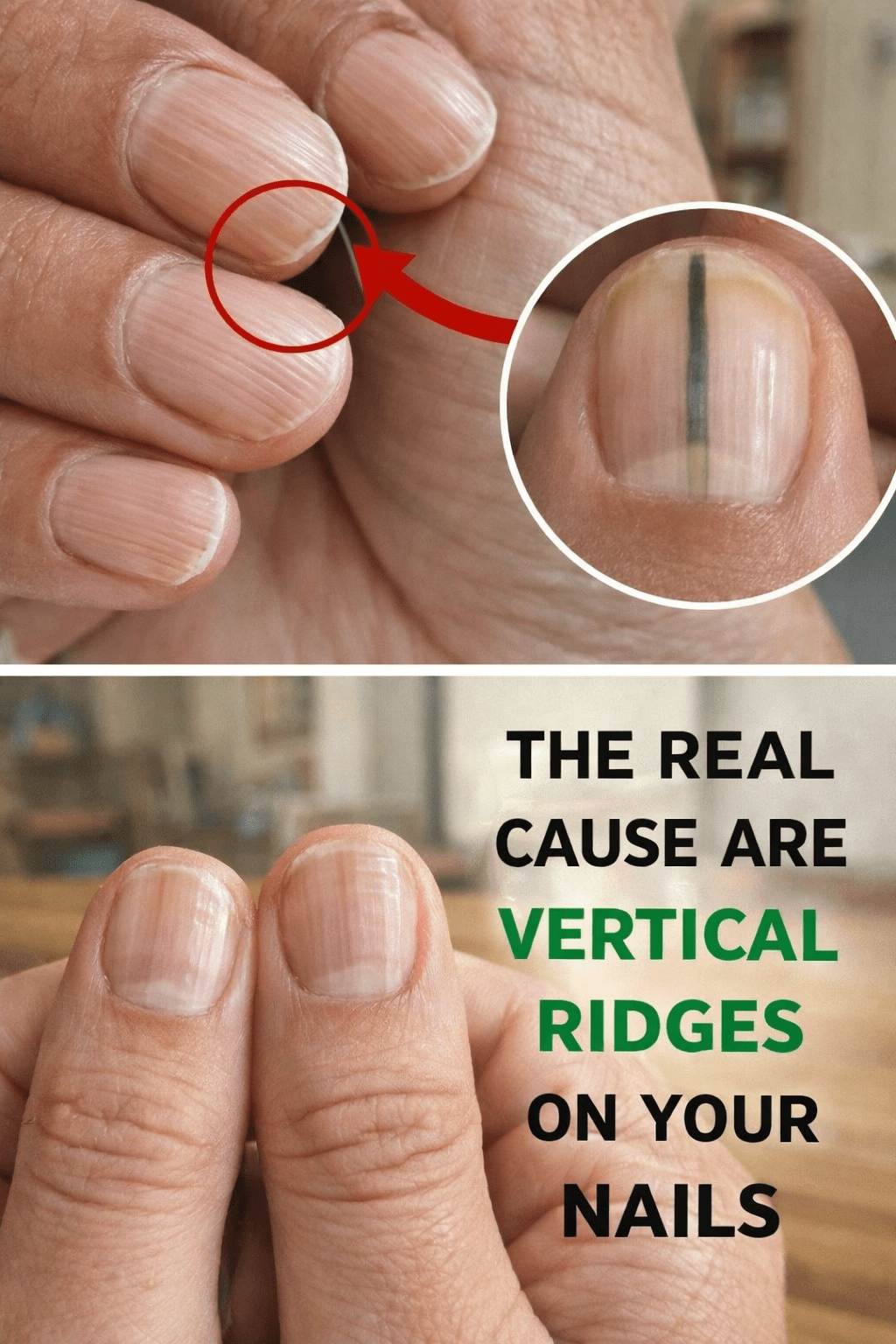
Many people notice vertical ridges on their fingernails as they get older. These lines run from the cuticle to the tip and often become more noticeable over time. It’s common to wonder if they point to something more, especially when they feel more pronounced.
The truth is, slight vertical ridges are frequently a normal part of aging, as cell turnover in the nail slows down. But deeper ones can sometimes relate to dehydration, nutrient gaps, or other factors. The good news? Simple daily habits can help support smoother, stronger nails—and we’ll explore practical steps ahead that many find helpful.
Understanding Vertical Ridges: What’s Normal and What’s Not
Vertical ridges, also known as longitudinal ridges, differ from horizontal ones (called Beau’s lines), which may signal temporary interruptions in nail growth from illness or stress.
Research shows that mild vertical ridges often develop naturally with age and are harmless. Studies, including those reviewed by dermatologists, note they become more common in older adults due to changes in nail matrix function.
However, if ridges are very deep or accompanied by brittleness, splitting, or discoloration, they might reflect:
- Dryness or dehydration affecting the nail plate
- Low moisture retention in nails over time
- Possible links to nutrient intake, like iron or B vitamins
Here’s the interesting part: While not everyone experiences the same changes, paying attention to your nails can offer insights into overall habits.
Common Factors That May Contribute to Pronounced Vertical Ridges
Several everyday elements can influence nail texture. Here’s what research commonly points to:
- Aging and Natural Changes
As we age, nails may thin or develop more visible lines. This is backed by observations from sources like Mayo Clinic and Healthline. - Dehydration and Dry Environment
Frequent hand washing, harsh soaps, or low humidity can dry out nails, making ridges stand out more. - Nutrient Considerations
Some studies link more noticeable ridges to lower levels of iron, vitamin B12, or biotin. For example, iron helps with oxygen delivery to tissues, including nails. - Thyroid Function
An underactive thyroid can sometimes lead to brittle nails with ridges, as noted in medical reviews. - Stress and Habits
High stress or nail trauma (like frequent manicures) may play a role in nail appearance. - Skin Conditions
Issues like eczema can affect surrounding skin and nails.
But that’s not all—many people improve nail smoothness by focusing on hydration and diet.

Everyday Habits to Help Maintain Healthy Nails
Supporting nail health starts with consistent, gentle care. Here are evidence-based tips you can try today:
- Stay Hydrated
Drink plenty of water daily. Dehydrated nails tend to be more brittle. - Moisturize Regularly
Apply a gentle hand cream or oil (like coconut or jojoba) to nails and cuticles after washing hands. - Protect Your Hands
Wear gloves for chores to avoid harsh chemicals and excessive water exposure. - Gentle Nail Care
File nails in one direction and avoid aggressive buffing, which can thin them.
Quick comparison of common approaches:
| Habit | Why It Helps | How Often |
|---|---|---|
| Moisturizing cuticles | Locks in hydration, supports flexibility | Daily, especially at night |
| Balanced meals | Provides building blocks for nail growth | Every meal |
| Gentle filing | Prevents splitting, maintains shape | As needed |
| Gloves for tasks | Shields from drying agents | During housework |
Dietary Tips to Support Stronger Nails
A varied diet rich in whole foods can provide key nutrients for nail health. Research suggests focusing on:
- Protein-Rich Foods
Eggs, lean meats, fish, beans, and nuts help with keratin production. - Iron Sources
Spinach, lentils, red meat, and fortified cereals. Pair with vitamin C (like citrus) for better absorption. - B Vitamins
Leafy greens, eggs, dairy, and whole grains for biotin and B12. - Healthy Fats
Avocados, salmon, seeds, and nuts for moisture and omega-3s. - Zinc and Magnesium
Pumpkin seeds, almonds, and dark chocolate.
Step-by-step starter plan:
- Add a handful of nuts or seeds to snacks.
- Include leafy greens in at least one meal.
- Choose protein at every meal.
- Drink water throughout the day.
- Consider a food journal to track variety.
Many notice gradual improvements in nail strength with these changes.
When to Consult a Professional
If ridges deepen suddenly, come with pain, discoloration, or other symptoms like fatigue, it’s wise to see a doctor or dermatologist. They can check for underlying factors through exams or tests.
Nails grow slowly—about 3mm per month—so changes take time to appear.
Frequently Asked Questions
1. Are vertical ridges always a sign of a problem?
No, mild ones are often just part of normal aging and harmless.
2. How long does it take to see improvements in nail texture?
New growth can take 3-6 months for fingernails, so consistency matters.
3. Can diet alone fix deep ridges?
A nutrient-rich diet supports overall nail health, but results vary. Professional advice helps if needed.
This information is for educational purposes only and is not a substitute for professional medical advice. Always consult your healthcare provider for personalized guidance on health concerns.