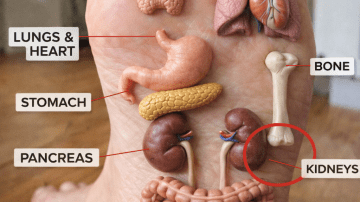
Many adults feel tired or notice small changes in their body as they get older, but these can sometimes point to kidney concerns that develop quietly over time. It’s common to brush off fatigue or swelling as part of daily life, especially when everything seems fine otherwise. Yet research shows that paying attention to these subtle shifts early on can make a real difference in supporting overall health.
The good news? Simple awareness and check-ups can help spot issues sooner. But that’s not all – there’s one straightforward step many people overlook that could change everything. Keep reading to discover these signs and practical ways to stay ahead.
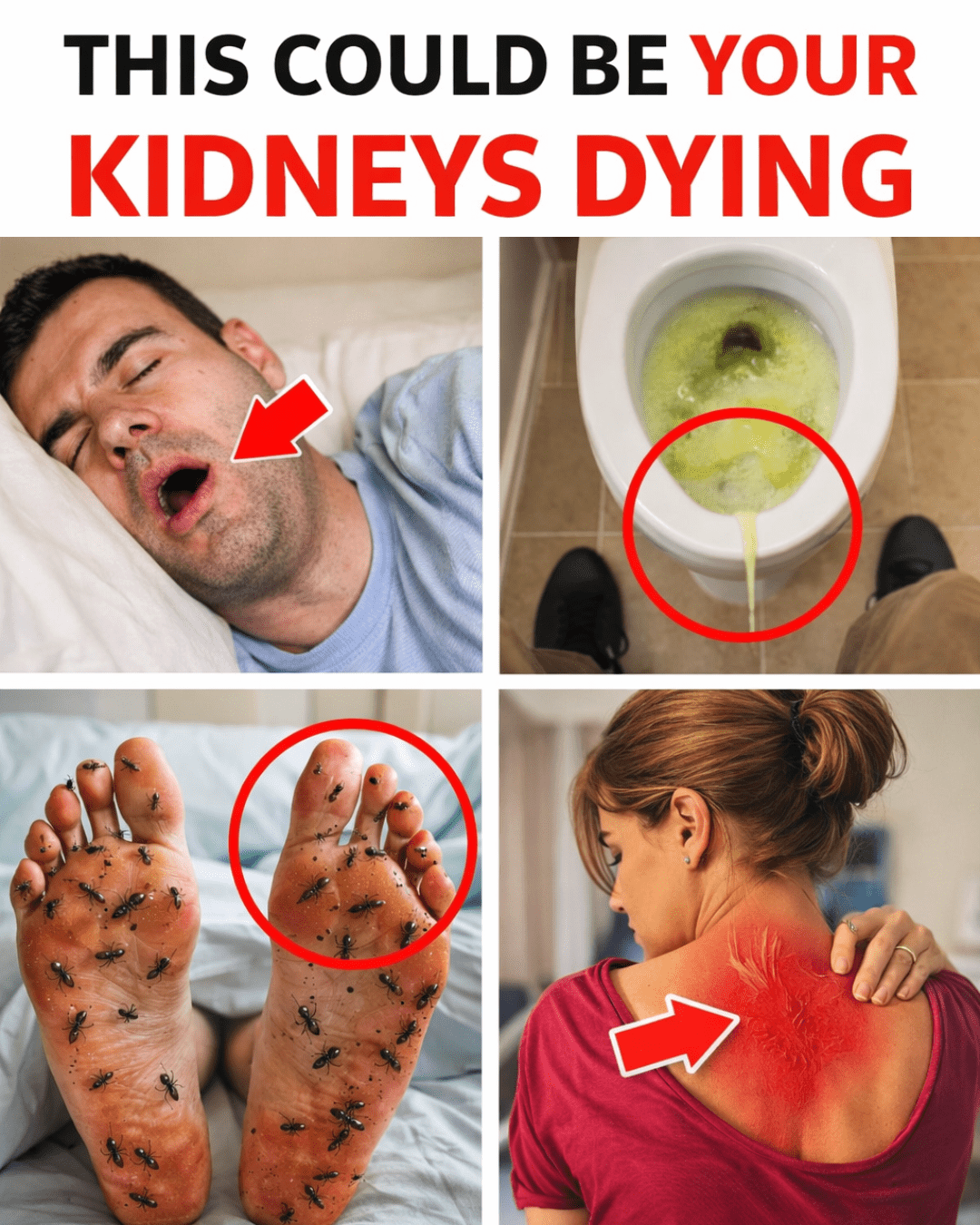
Why Kidney Health Matters More Than You Might Think
Your kidneys work hard every day, filtering waste from your blood, balancing fluids, and helping regulate blood pressure. When they face challenges, it often happens without loud warnings. According to the National Kidney Foundation, more than 35 million American adults live with chronic kidney disease, and about 90% aren’t aware of it in the early stages.
These changes can build slowly, linked to factors like high blood pressure or diabetes. Studies highlight that noticing potential signs early allows for better management and can slow any progression.
But here’s the interesting part: many of these signs overlap with everyday issues. That’s why understanding them helps you know when to chat with your doctor.
10 Signs to Pay Attention To
Here are some common indicators that healthcare experts, like those at the Mayo Clinic and National Kidney Foundation, often mention. Remember, having one doesn’t automatically mean a kidney issue – other causes are possible – but persistent changes deserve a closer look.
- You’re more tired than usual
Persistent fatigue, even after rest, can stem from your kidneys producing less of a hormone that helps make red blood cells. This leads to lower energy levels. - Changes in your urine, like foam or bubbles
If urine looks persistently foamy, it might suggest protein leaking through, a marker noted in kidney health resources. - Swelling in your legs, ankles, or around your eyes
When kidneys struggle with fluid balance, extra water can build up, causing puffiness – often noticeable in the lower body. - Trouble sleeping through the night
Toxin buildup or discomfort from fluid can disrupt rest, making it harder to feel refreshed. - Dry or itchy skin that lingers
Imbalances in minerals can affect the skin, leading to ongoing itchiness without an obvious rash. - More frequent trips to the bathroom, especially at night
Kidneys working harder to concentrate urine might mean waking up more often. - Loss of appetite or food tasting different
Waste buildup can subtly change how things taste or reduce hunger. - Feeling nauseous more often
Similar to appetite changes, accumulated waste might trigger queasiness. - Shortness of breath
Fluid retention or anemia can make breathing feel harder during activity. - Muscle cramps or twitches
Electrolyte shifts can affect muscles, causing unexpected discomfort.
These aren’t always kidney-related, but if several appear together, it’s worth noting.

Quick Comparison of Common Signs
To make it easier to spot patterns, here’s a simple table of signs and what to watch for:
| Sign | What It Might Look Like | Why It Happens (Possible Link) |
|---|---|---|
| Persistent Fatigue | Tired despite good sleep | Reduced red blood cell production |
| Foamy Urine | Bubbles that linger after flushing | Protein in urine |
| Swelling (Edema) | Puffy ankles, feet, or face | Fluid retention |
| Itchy Skin | Dry, persistent itch | Mineral imbalance |
| Frequent Urination at Night | Waking up multiple times | Difficulty concentrating urine |
| Loss of Appetite | Food seems less appealing | Waste buildup |
| Nausea | Feeling queasy, especially mornings | Toxin accumulation |
| Shortness of Breath | Harder to catch breath | Fluid or anemia |
Everyday Habits to Support Your Kidney Health
Research from sources like the NIDDK shows that certain lifestyle steps can help maintain kidney function. Here are actionable tips you can start today:
- Stay hydrated: Aim for steady water intake throughout the day – about 8 glasses, adjusted for your needs.
- Eat balanced meals: Focus on fresh fruits, vegetables, whole grains, and lean proteins. Limit processed foods high in sodium.
- Move regularly: 30 minutes of walking or light activity most days supports overall circulation and blood pressure.
- Monitor blood pressure and blood sugar: Keep track if you have risks, as managing these protects kidneys.
- Avoid smoking: Quitting can benefit kidney blood flow over time.
- Limit over-the-counter pain meds: Use NSAIDs sparingly, as frequent use can strain kidneys.
Step-by-step example for a kidney-friendly day:
- Start with water and a balanced breakfast like oatmeal with berries.
- Include veggies in lunch and dinner.
- Take a short walk after meals.
- Check portion sizes to avoid excess salt.

Another Helpful Table: Habits vs. Potential Benefits
| Habit | How It Helps Kidneys | Easy Way to Start |
|---|---|---|
| Drinking enough water | Flushes waste naturally | Carry a reusable bottle |
| Lower sodium intake | Reduces fluid buildup | Read labels, aim under 2,300 mg/day |
| Regular physical activity | Supports healthy blood pressure | 10-minute walks, build up |
| Balanced diet with produce | Provides nutrients without overload | Add one extra veggie per meal |
| Routine check-ups | Catches changes early | Schedule annual physical |
The real game-changer? Regular tests like a simple blood or urine check can reveal how your kidneys are doing, often before signs appear.
Wrapping It Up: Small Steps for Big Peace of Mind
Noticing these common signs and adopting supportive habits can help you stay proactive about your health. Early awareness often leads to better outcomes, as noted in various health studies.
Start by tracking any changes for a week, then talk to your doctor if needed. Simple tests can provide clarity and guide next steps.
Frequently Asked Questions
What should I do if I notice foamy urine?
Track it for a few days. If it persists, mention it during your next doctor’s visit for a quick urine test.
How often should I get my kidneys checked?
If you’re over 60, have diabetes, high blood pressure, or family history, ask about annual screening. Otherwise, during routine check-ups.
Can lifestyle changes really make a difference?
Yes – studies show managing blood pressure, staying active, and eating well support kidney function long-term.
This article is for informational purposes only and is not a substitute for professional medical advice. Always consult your healthcare provider for any concerns about your health or symptoms. They can offer personalized guidance based on your situation.