Many people take atorvastatin to help manage cholesterol levels and support heart health. It’s one of the most commonly prescribed medications for this purpose. Yet, some users notice changes in how they feel, like muscle discomfort or tiredness, that can affect daily life. These experiences are more common than you might think, and understanding them can help you feel more in control. But here’s the good news: there are simple, everyday steps you can take to address them—and we’ll share a surprising strategy at the end that many find helpful.
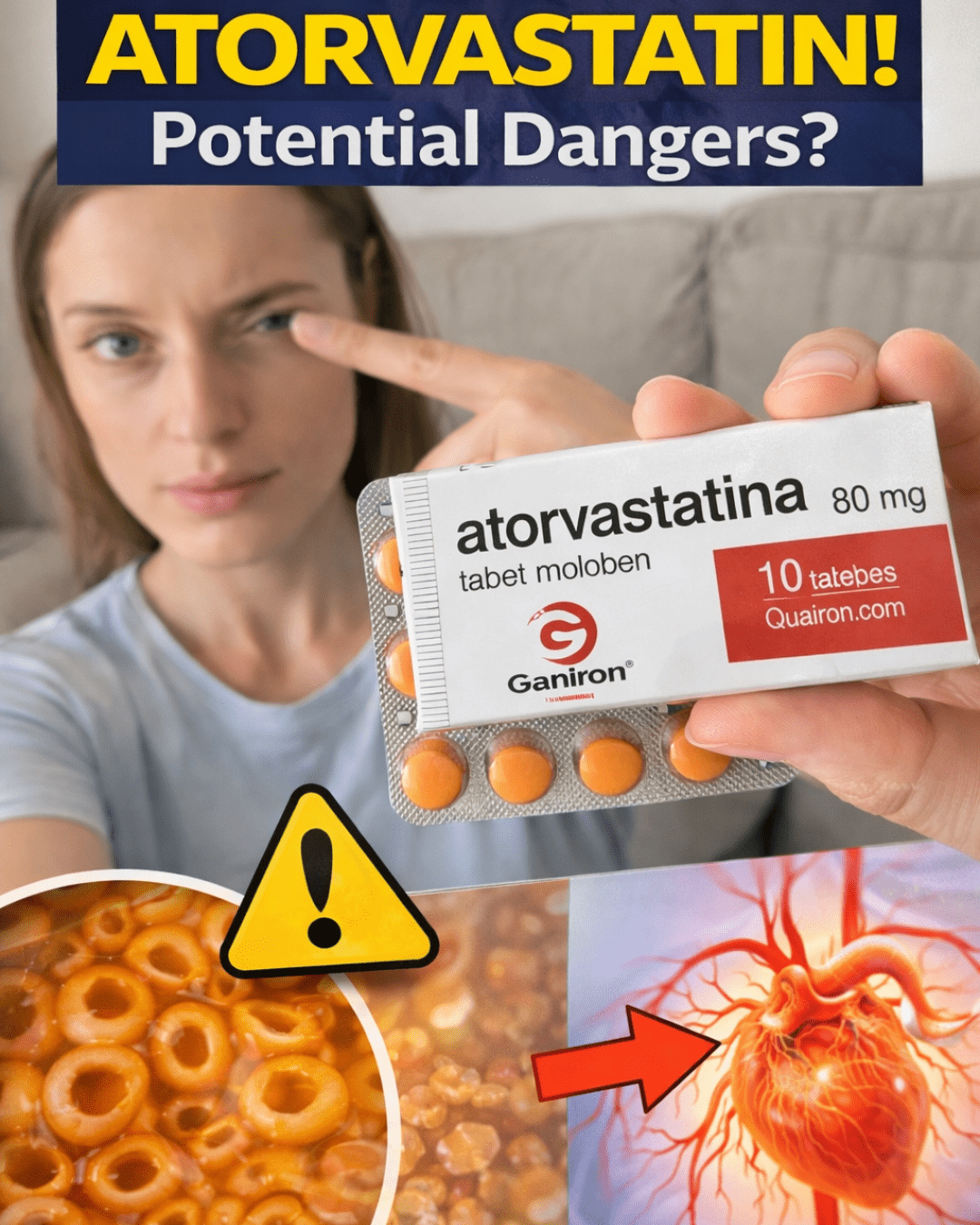
Why Do Some People Experience Side Effects with Atorvastatin?
Atorvastatin belongs to a class of medications called statins, which work by reducing cholesterol production in the liver. While most people tolerate it well, research shows that up to 10-15% of users report muscle-related issues in real-world settings. Other effects, like changes in energy or sleep, appear in studies and patient reports too.
The truth is, these effects often go under-discussed in short doctor visits. Many attribute them to aging or stress instead. Studies, including meta-analyses of large trials, indicate that while severe issues are rare, milder ones can impact quality of life.
But that doesn’t mean you’re stuck. Let’s explore some of the more commonly reported side effects based on research and patient experiences.
Common Muscle-Related Concerns
Muscle discomfort is one of the most frequently mentioned issues with statins.
- Research from the Journal of the American College of Cardiology notes that 10-15% of users experience muscle aches or weakness.
- This can feel like soreness after exercise, even without much activity.
- In rarer cases, it involves cramps or tenderness in larger muscle groups.
Studies show statins can interfere with energy production in muscle cells, partly by affecting a natural compound called CoQ10.
Here’s a quick comparison of what trials often report versus real-world observations:
| What Clinical Trials Often Report | What Larger Reviews and Patient Data Show |
|---|---|
| Muscle issues are uncommon (under 5%) | Up to 10-20% report aches in everyday use |
| Mostly affects older adults | Can occur in active people in their 40s or 50s |
| Severe muscle breakdown is very rare | Mild fatigue or soreness is more typical |
Energy Levels and Daily Fatigue
Feeling more tired than usual is another common report.
- Some research links this to how statins influence cell energy pathways.
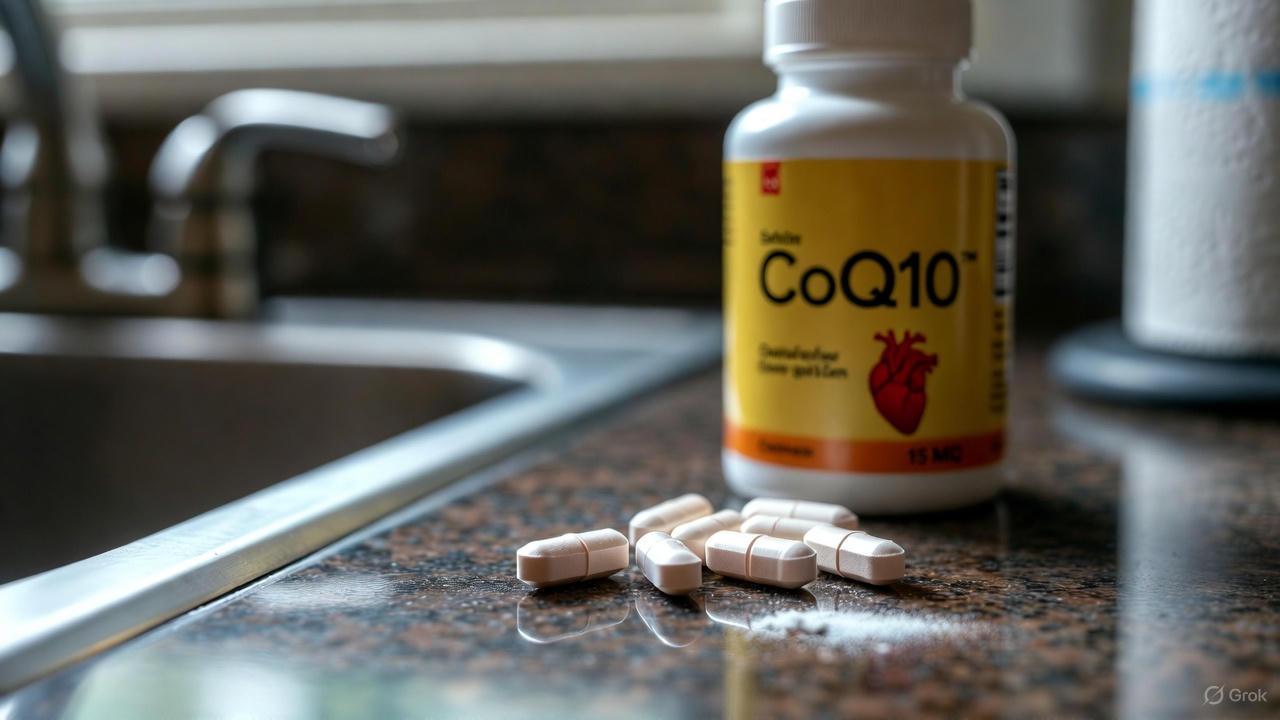
- A depletion in CoQ10 may play a role, as this compound helps cells produce energy.
- Many notice it as a general drain that doesn’t improve with rest.
One large review found that profound fatigue affects a subset of users, though it’s hard to quantify exactly.
But here’s the interesting part: simple habits like regular movement can make a difference.
Sleep Patterns and Rest Quality
Some people find their sleep changes while on atorvastatin.
- A study from UC San Diego observed higher reports of difficulty falling or staying asleep.
- This might relate to subtle shifts in body processes affected by lower cholesterol.
Poor rest can create a cycle, adding to daytime tiredness.
Blood Sugar Monitoring and Long-Term Habits
Statins like atorvastatin have been associated with a small increase in blood sugar levels in some studies.
- Meta-analyses show a 9-12% higher chance of developing higher blood sugar over time.
- This is more relevant for those already at risk.
Regular check-ups help catch any shifts early.
Other Reported Effects
Less frequent but still noted in research and reports:
- Digestive upset, like bloating or mild nausea.
- Occasional headaches or tingling sensations.
- Rare mentions of mood changes or memory fog, though large reviews find no strong link to cognitive decline.
Liver enzyme checks are routine, as elevations occur in 1-3% of users but usually resolve.
Eye health, like cataract risk, has been studied with mixed results—one large analysis suggested a slight association.
Practical Steps to Feel Your Best While Taking Atorvastatin
You don’t have to accept discomfort. Many people work with their doctor to find balance. Here are actionable ideas backed by common recommendations:
- Discuss dose adjustments: Starting or staying on the lowest effective dose often reduces issues while maintaining benefits. Trials show most heart protection comes from moderate doses.
- Incorporate strength activities: Light resistance training 2-3 times a week supports muscle health. Start slow—walking with weights or bodyweight exercises.
- Focus on nutrient-rich foods: Include sources of natural CoQ10 like fatty fish, nuts, and whole grains.
- Monitor regularly: Ask for periodic bloodwork to track muscle enzymes (CK), liver function, and blood sugar.
- Consider lifestyle boosts:
- Aim for 7-9 hours of sleep nightly.
- Eat plenty of fruits, vegetables, and fiber.
- Manage stress with walks or breathing exercises.
Some find adding CoQ10 supplements (100-200 mg daily, as ubiquinol form) helpful for energy and muscles—discuss with your doctor first, as evidence is promising but mixed in reviews.
For those exploring options, non-statin approaches like ezetimibe, bempedoic acid, or PCSK9 inhibitors exist. Aggressive lifestyle changes—diet, exercise, weight management—can rival moderate statin effects in some cases.
Real Stories of Positive Changes
People like one 58-year-old who lowered their dose, added movement, and felt muscle relief while keeping cholesterol in check. Another reversed blood sugar trends with every-other-day dosing and food focus (under medical guidance).
The key? Open conversations with your healthcare provider.
And that surprising strategy we mentioned? Many discover that combining small daily habits—like consistent movement and nutrient focus—with open doctor discussions leads to feeling more energized than before.
Frequently Asked Questions
Can lifestyle changes alone manage cholesterol effectively?
For some with mildly elevated levels, yes—especially diets rich in plants, healthy fats, and fiber, plus regular activity. Studies show they can lower LDL significantly.
Is it safe to stop atorvastatin suddenly?
No—always consult your doctor. Abrupt stops can affect heart health plans.
How often should I get checked while on atorvastatin?
Typically, liver enzymes and cholesterol every 6-12 months, plus as needed for any new symptoms.
This article is for informational purposes only and is not a substitute for professional medical advice. Always consult your healthcare provider before making changes to prescribed medications or starting supplements.