Many adults experience occasional tiredness from long days, leading to restless evenings and disrupted rest. These common challenges can make it harder to unwind, leaving you feeling tense and fatigued even after a full day. The good news is that a gentle, traditional practice might offer some support in promoting calmness and better ease into sleep.
What if a quick evening ritual involving your feet could help you feel more grounded? Keep reading to explore how this easy habit, rooted in ancient wellness traditions, may contribute to overall relaxation—and discover practical tips to try it yourself.

What Is Foot Oiling and Massage Before Bed?
Foot oiling, known in Ayurveda as Pada Abhyanga, involves gently massaging warm oil into the soles, toes, and heels. This practice has been part of traditional wellness routines for centuries, focusing on nourishing the skin and stimulating key areas of the feet.
The feet contain numerous nerve endings and reflex points connected to various parts of the body. Applying oil and massaging these areas is thought to promote a sense of balance. Many people incorporate it into their nightly routine for its soothing effects.
But that’s not all—research suggests potential benefits worth exploring further.
Potential Benefits of a Nightly Foot Massage with Oil
Studies on foot massage and reflexology highlight several areas where this practice may provide support. While individual experiences vary, here’s what some evidence points to:
Improved Circulation Support
Foot massages can help enhance blood flow. According to Harvard Health, regular foot massage improves circulation, which may ease occasional swelling or cold feet.
The gentle pressure and oil application create warmth, potentially invigorating tired limbs after a busy day.
Possible Reduction in Everyday Stress and Tension
In our fast-paced lives, winding down isn’t always easy. Foot reflexology has been linked to lower anxiety levels in various studies, including those on patients post-surgery.
The rhythmic strokes, combined with calming oils, might signal your body to relax more deeply.
Better Sleep Quality Potential
Many report drifting off easier after a foot massage. A meta-analysis of randomized trials found foot reflexology associated with improvements in sleep disturbances.
The porous skin on the soles absorbs oil quickly, and the ritual itself encourages mindfulness before bed.
Gentle Support for Occasional Discomfort
From standing all day to general fatigue, feet bear a lot. Research, including studies on hemodialysis patients, shows foot massage may help reduce fatigue and minor aches.
Anti-inflammatory properties in certain oils could add to this comforting effect.
Overall Relaxation and Grounding
In Ayurvedic tradition, foot oiling is praised for grounding energy and promoting stability. Modern reviews note it as a simple way to nurture well-being.
Imagine ending your day with this nurturing step—many find it a peaceful transition to rest.
Why Use Oil in Your Foot Massage?
Plain massage works, but adding oil enhances the experience:
- It allows smoother gliding during massage.
- Nourishes dry skin, especially on heels.
- Carries aromatic benefits if blended with essentials.
Traditional practices favor natural oils for their warming and moisturizing qualities.
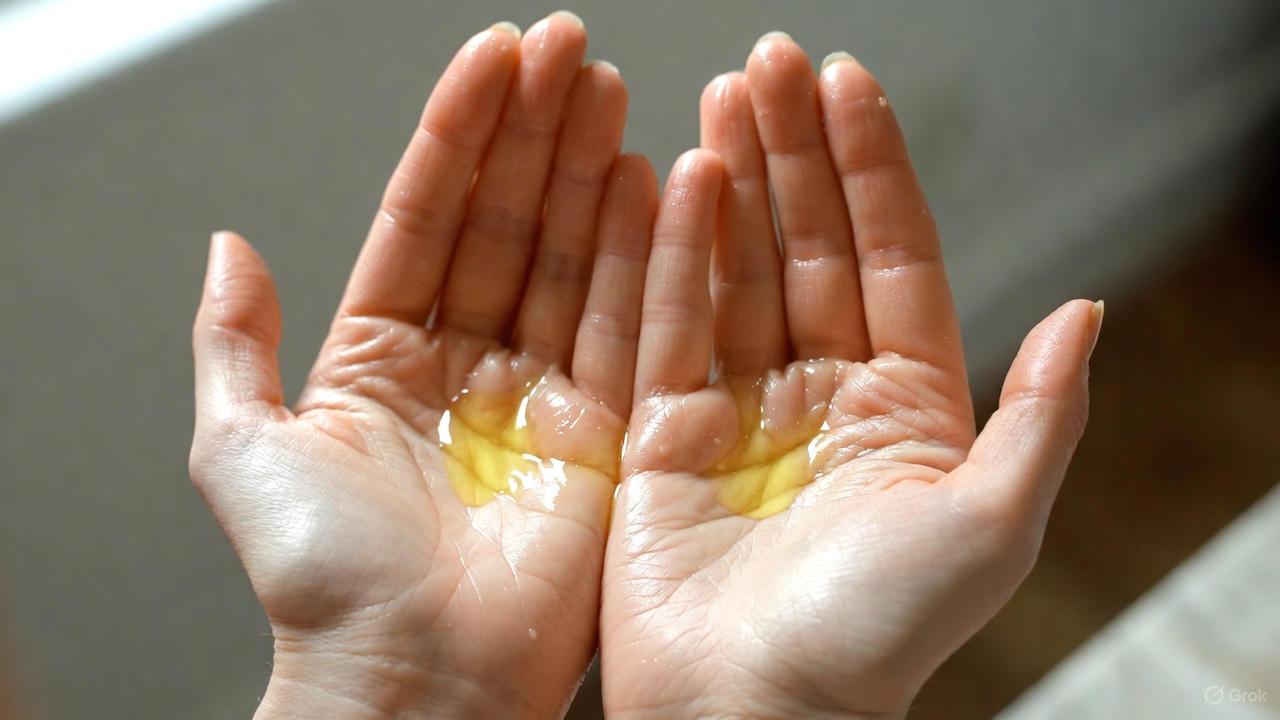
Best Oils to Try for Your Evening Routine
Choosing the right oil can make a difference. Here’s a comparison of popular options:
| Oil Type | Key Properties | Potential Benefits | Best For |
|---|---|---|---|
| Sesame Oil | Warming, nourishing | Supports circulation, grounds energy | General use, cooler months |
| Coconut Oil | Cooling, moisturizing | Soothes skin, lightweight absorption | Warmer weather, dry feet |
| Olive Oil | Rich in antioxidants | Nourishes deeply, gentle on skin | Everyday hydration |
| Sweet Almond Oil | Light, vitamin-rich | Softens skin, non-greasy | Sensitive skin |
For added aroma, blend with a few drops of lavender or peppermint essential oil (diluted properly).
Research supports using carrier oils like these for safe, effective application.
How to Get Started: A Simple Step-by-Step Guide
Ready to try? This actionable routine takes just 5-10 minutes:
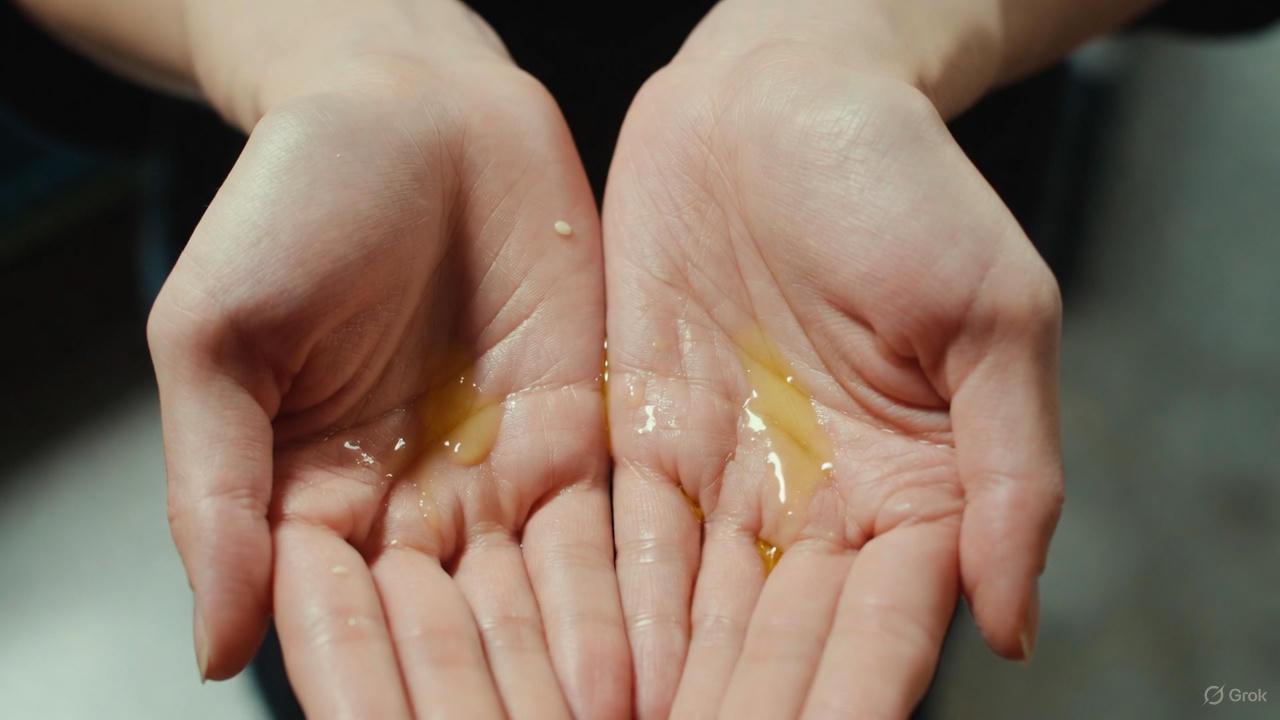
- Step 1: Choose a quiet spot and warm 1-2 teaspoons of oil in your palms (or a bowl of hot water).
- Step 2: Sit comfortably. Apply oil to one foot, starting at the toes.
- Step 3: Use circular motions on the soles, thumbs for pressure on arches and heels.
- Step 4: Gently pull and rotate each toe. Massage ankles too.
- Step 5: Repeat on the other foot. Wipe excess or wear socks to lock in moisture.
- Step 6: Relax for a few minutes before bed.
Do this nightly for consistency. Start slow if new to it.
Patch-test oils first, and use firm but gentle pressure.
Tips for Enhancing Your Experience
- Focus on breathing deeply during the massage.
- Dim lights and play soft sounds for added calm.
- Combine with a warm foot soak beforehand.
Many notice subtle shifts with regular practice.
Here’s the interesting part: the soles absorb oils efficiently, allowing benefits to spread quickly.
Frequently Asked Questions
Is foot oiling safe for everyone?
It’s generally gentle, but consult a healthcare provider if you have skin conditions, circulation issues, or are pregnant.
How long until I notice differences?
Results vary—some feel relaxed immediately, while consistent use over weeks may enhance effects.
Can I do this if I have sensitive skin?
Opt for hypoallergenic oils like jojoba or almond, and always dilute essentials.
This information is for educational purposes only and is not intended as medical advice. Always consult your healthcare provider before starting new wellness practices, especially with existing health concerns.
(Word count: 1,248)