Imagine finishing a hearty meal, only to feel that familiar burn creeping up your chest, tight and unrelenting, making every breath a reminder of the discomfort. Or picture waking up with a stiff back that radiates tension down your spine, turning simple movements into a daily struggle, while occasional stomach unease leaves you bloated and restless after eating. These common issues disrupt your routine, sap your energy, and leave you searching for gentle ways to regain comfort. But what if a backyard plant, long used in traditional practices across Asia, held simple habits to explore for easing such everyday woes? Keep reading to uncover time-tested preparation tips and emerging insights—but the most surprising everyday use comes at the end.

What Is Abelmoschus Manihot? A Closer Look at This Traditional Herb
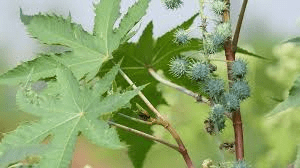
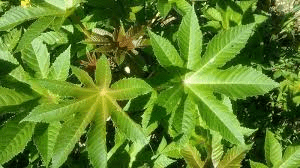
Abelmoschus manihot, often called sunset hibiscus or yellow hibiscus tree, is a flowering shrub from the Malvaceae family, native to temperate and subtropical Asia, including regions near Vietnam. It features large, lobed green leaves—typically five-parted like a hand—and vibrant yellow to reddish flowers that bloom dramatically.
This plant has been part of folk wellness routines for centuries. In traditional Indian and Nepalese practices, leaf and root juices are applied for sprains and general body aches, while in parts of Asia, it’s noted for kidney discomfort and heartburn-like symptoms. Studies, such as a comprehensive review in Frontiers in Pharmacology (2020), highlight over 128 compounds identified, including flavonoids like quercetin and hyperoside, which contribute to its profile in herbal explorations.
But that’s not all. Research in PMC articles shows its extracts support anti-inflammatory responses in lab models, aligning with why communities have turned to it for digestive and muscular ease. Grown easily in sunny spots with well-drained soil, it’s a resilient addition to home gardens, reaching 6-12 feet tall.
Exploring Traditional Uses: From Asia to Your Backyard
Generations in China, India, and Southeast Asia have incorporated Abelmoschus manihot into daily habits. Leaves, often harvested young for tenderness, are prepared as teas or poultices. In Nepal, leaf juice is a go-to for sprain relief, valued for its soothing qualities on sore areas.
For stomach upset, traditional preparations involve simmering leaves to make a mild infusion, sipped warm to promote digestive calm. Historical texts note its role in addressing heartburn sensations and high cholesterol-related unease in India. Back tension? Leaf pastes are massaged onto affected spots, drawing from analgesic traditions documented in pharmacological studies like those in International Journal of Pharmacology (2011), where extracts showed pain-threshold support in animal models.
- Heartburn discomfort: Folklore suggests sipping leaf tea post-meals to coat the stomach lining.
- Back tension: Crushed leaves applied as a warm compress for muscle relaxation.
- Stomach upset: Gentle decoctions to ease bloating after heavy foods.
These uses stem from its mucilage-rich leaves, which form a gel-like texture when brewed, similar to okra (its relative, Abelmoschus esculentus), known for gastroprotective effects in studies like one in Pharmaceutical Biology (2018) on ethanol-induced gastric issues.
Here’s the interesting part: Modern scans reveal polysaccharides and flavonoids that may buffer irritation, but always pair with lifestyle tweaks like smaller meals.
The Science Behind the Tradition: Key Compounds and Emerging Research
What makes Abelmoschus manihot noteworthy? Its leaves pack flavonoids (e.g., quercetin-3-O-glucoside), polysaccharides, and organic acids. A PMC review (2020) details how total flavones (TFA) from flowers and leaves exhibit anti-inflammatory actions by modulating pathways like NF-κB, linked to swelling reduction.
For digestive ease, okra-related studies (same genus) show mucilage protects gastric mucosa. In a rat model (PubMed, 2018), okra reduced ulcer area via antioxidant boosts, hinting at similar potential here. Back pain? Analgesic extracts in Int J Pharmacol (2011) raised pain thresholds in hot-plate tests, suggesting muscle-relaxant vibes.
| Compound Group | Potential Role | Supporting Insight |
|---|---|---|
| Flavonoids (e.g., hyperin) | Anti-inflammatory | Inhibits pro-inflammatory cytokines (PMC, 2020) |
| Polysaccharides | Gut soothing | Mucilage coats lining, like okra studies (PMC, 2018) |
| Phenolics | Antioxidant | Reduces oxidative stress in gastric models (Food Sci Nutr, 2020) |
But that’s just the start. Clinical hints from Huangkui capsules (flower-based) show renal inflammation support, per Evid Based Complement Alternat Med trials, indirectly aiding body-wide comfort.
Actionable Tips: Simple Ways to Incorporate Abelmoschus Manihot at Home
Ready to try? Start small with home-grown leaves for freshness. Here’s a step-by-step guide:
- Harvest young leaves: Pick 5-7 tender ones in the morning; rinse thoroughly.
- Basic soothing tea for stomach/heartburn: Chop 10-15g leaves, steep in 2 cups boiling water for 10 mins. Strain, sip 1/2 cup warm after meals. Add ginger for flavor.
- Back tension poultice: Crush 20g fresh leaves, mix with warm water to paste. Apply to back 20 mins, cover with cloth. Rinse after.
- Daily habit: Blend blanched leaves into smoothies (1-2 leaves) for mucilage boost.
But wait—grow your own? Plant in full sun, space 3-5 feet apart. Water moderately; it thrives in Dak Lak’s climate. Yield: Continuous harvest after 3 months.
Pro tip: Combine with walking post-meals to enhance flow. Track how you feel over a week.
Potential Precautions: Smart Ways to Use This Plant Safely
While promising, moderation matters. Studies like Front Pharmacol (2020) note low toxicity in standard doses, but excess may upset sensitive stomachs. Pregnant individuals or those on blood thinners? Consult a pro first, as flavonoids influence clotting.
Allergies to Malvaceae (e.g., okra)? Patch test. Start with 5g/day. No long-term human trials exist for pain relief, so view as supportive habit, not standalone.
The truth is, pairing with balanced eating amplifies benefits—think fiber-rich meals to cut reflux triggers.
Unlocking the Everyday Surprise: Your Kitchen’s Hidden Ally
Now, the open loop closes: Beyond teas, blend leaves into soups or salads like Vietnamese greens. This “lettuce tree” habit mirrors okra’s slimy soothe, turning meals into comfort builders. Communities in Asia eat young leaves raw or cooked for gut ease—nutrient-dense with vitamins A/C and protein.
Research shows such routines support microbiome balance, key for digestion. Experiment: Add to stir-fries for subtle earthiness.
Wrapping Up: Gentle Steps Toward Daily Comfort
Abelmoschus manihot offers an accessible window into nature’s support for heartburn unease, back stiffness, and stomach bloating through mucilage, flavonoids, and traditions backed by lab insights. From simple teas to poultices, these habits invite exploration alongside meals and movement.
Pair with hydration and stress ease for best flow. Grow it, brew it, feel it—small shifts build lasting ease.
FAQ: Common Questions on Abelmoschus Manihot Habits
How often can I sip the leaf tea for stomach comfort?
Start with 1 cup daily post-meals; monitor response. Studies suggest short-term use aligns with tradition.
Does it grow well in Vietnam’s Central Highlands?
Yes—thrives in Dak Lak’s sun/soil. Perennial, low-maintenance for year-round harvest.
Can it pair with other routines for back tension?
Absolutely—combine poultices with stretches. Anti-inflammatory compounds complement mobility work.
Disclaimer: This content shares informational insights based on traditional uses and studies; it does not diagnose, treat, or cure conditions. Consult a healthcare professional before new habits, especially with meds or health issues. Individual results vary.
(Word count: 1,248)