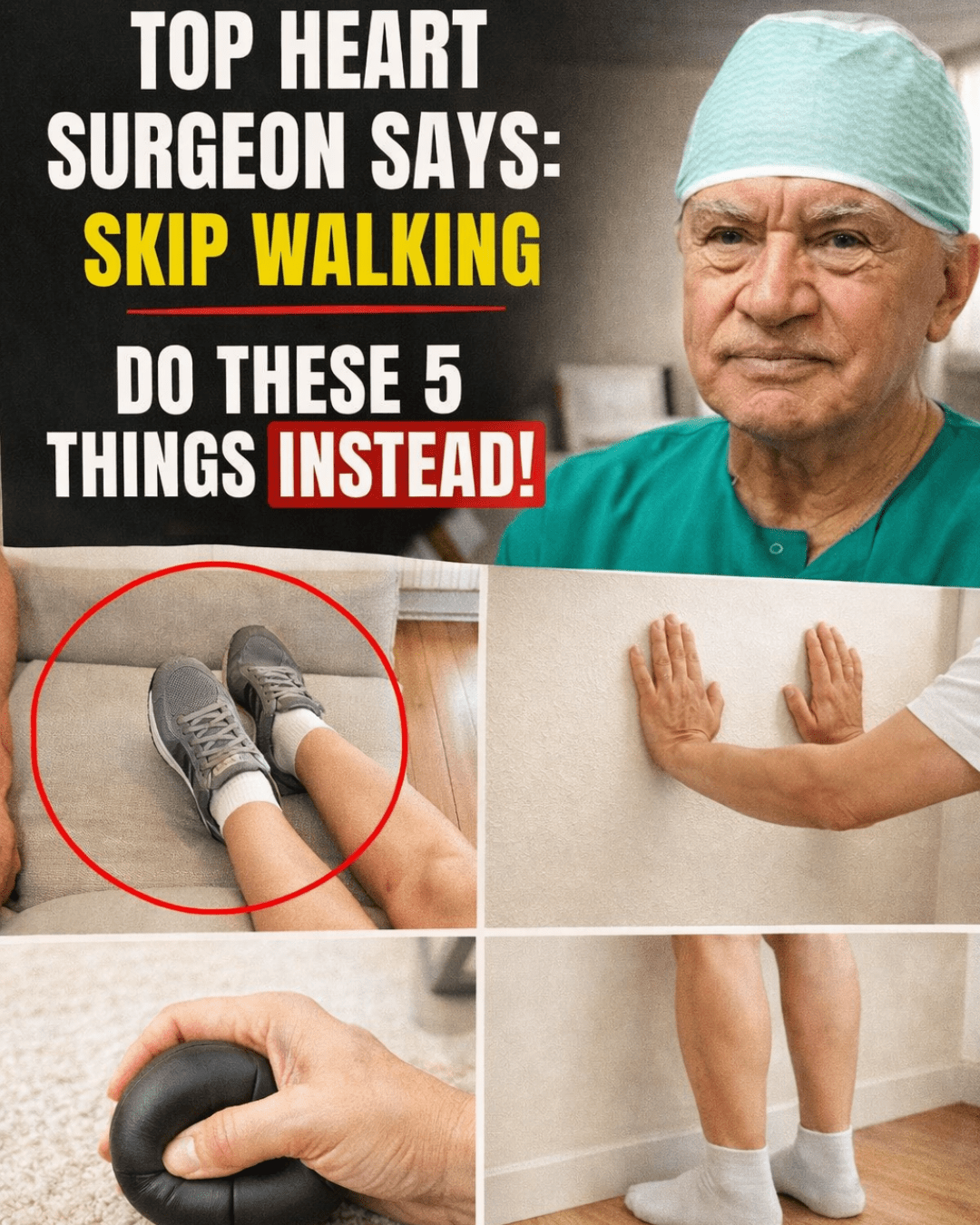
Many people over 60 find that daily walks start to feel less comfortable due to joint stiffness, knee discomfort, or balance concerns. These common changes can make even short strolls tiring or lead to lingering soreness the next day. The good news is that certain gentle, low-impact activities can support strength, mobility, and confidence in a more joint-friendly way. And toward the end of this guide, you’ll discover five specific exercises that orthopedic specialists often recommend.
Why Walking Can Become Challenging After 60
Walking is excellent for heart health and fresh air, but repeated impact on hard surfaces can add stress to knees, hips, and ankles over time.
Research shows that age-related changes like reduced cartilage and muscle strength can make this impact feel more noticeable. Many seniors report post-walk fatigue or mild joint discomfort that wasn’t there before.
This doesn’t mean you have to stop moving entirely. It simply means exploring alternatives that reduce load on the joints while still delivering meaningful benefits.
The Benefits of Low-Impact Activities for Seniors
Studies suggest that low-impact exercises can improve muscle strength, flexibility, and balance with less strain on joints compared to higher-impact activities.
Orthopedic experts often highlight these options because they help maintain independence and reduce fall risk—two key concerns as we age.
What’s more, many of these activities are enjoyable and can be done indoors, making them easier to stick with year-round.
Here’s a quick comparison:
| Aspect | Low-Impact Alternatives | Traditional Walking |
|---|---|---|
| Joint stress | Very low (often supported by water or seating) | Moderate (repeated pavement impact) |
| Strength building | Higher focus on resistance and core | Primarily endurance |
| Balance training | Strong emphasis | Moderate |
| Weather dependency | Mostly indoor or pool-based | Outdoor |
| Variety | Easy to modify and combine | Limited variations |
5 Surgeon-Approved Low-Impact Exercises to Consider
These five activities are frequently recommended by orthopedic specialists and physical therapists for adults over 60. Start slowly and focus on proper form.
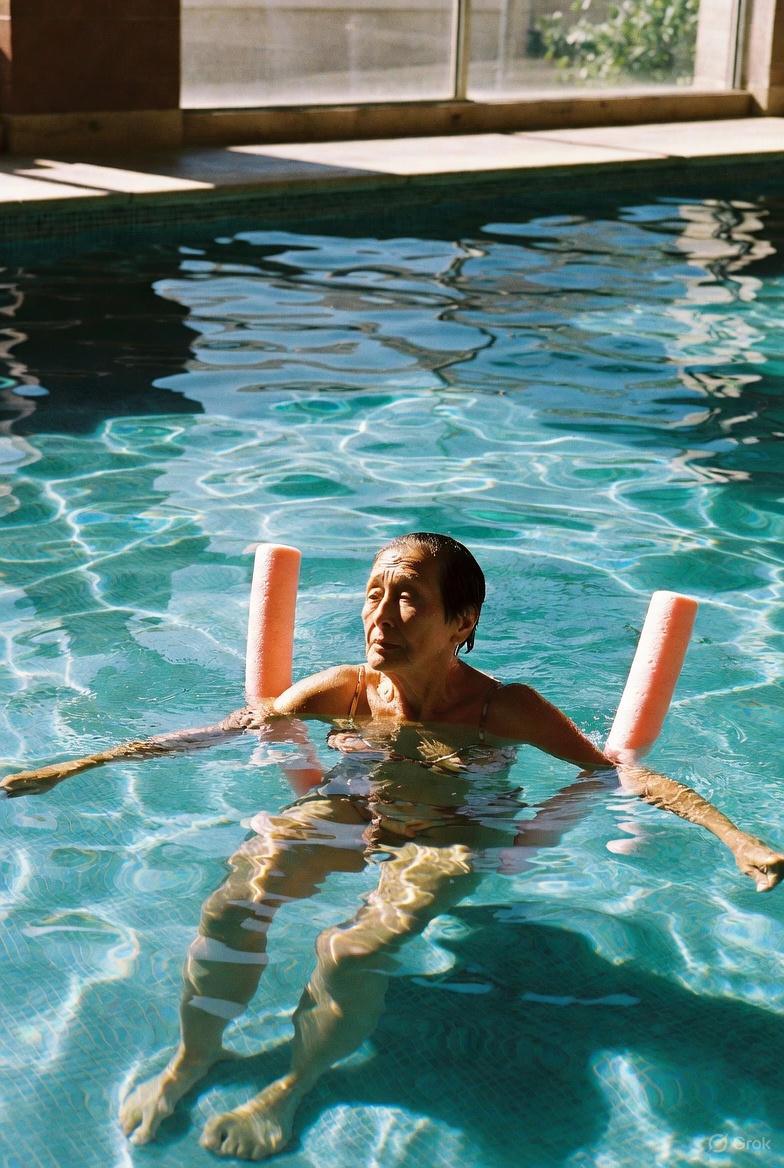
1. Swimming or Water Aerobics
Water buoyancy supports nearly 90% of your body weight, allowing free movement without joint compression.
Simple actions like walking in the pool, gentle arm circles, or leg kicks work multiple muscle groups while raising heart rate safely.
Research from the Arthritis Foundation notes that water-based exercise can improve strength and reduce stiffness in people with joint concerns.
How to start:
- Find a local pool offering senior classes.
- Begin with 15–20 minutes, 2–3 times per week.
- Use a flotation belt if needed for extra support.
2. Chair Yoga
Seated or chair-supported poses make yoga accessible even with limited mobility.
Movements gently stretch hips, shoulders, and spine while building core stability and calm breathing.
Studies published in the Journal of Gerontology show chair yoga can improve flexibility, balance, and overall well-being in older adults.
Simple routine to try at home:
- Sit tall in a sturdy chair with feet flat.
- Inhale and reach arms overhead, exhale and lower.
- Gently twist side to side, holding 10–15 seconds each way.
- Repeat 5–8 times.
3. Tai Chi
This slow, flowing practice—sometimes called “meditation in motion”—emphasizes weight shifting and controlled movements.
Multiple clinical trials, including those reviewed by the National Institute on Aging, indicate Tai Chi can significantly reduce fall risk and improve balance in seniors.
Classes are widely available at community centers, or you can follow reputable online videos.
4. Wall Push-Ups
A modified version of traditional push-ups that builds chest, shoulder, and core strength without floor work.
Standing facing a wall, place hands shoulder-width apart, bend elbows to lower chest toward the wall, then push back.
This exercise helps maintain upper-body strength needed for daily tasks like carrying groceries.
Progression tips:
- Start with 8–10 repetitions.
- Stand closer to the wall for easier versions.
- Gradually step farther away as strength improves.
5. Seated Leg Lifts
Perfect for strengthening quadriceps and hip flexors while seated—muscles essential for standing up and steady walking.
Sit tall, extend one leg straight out, hold for 3–5 seconds, then lower slowly without letting the foot slam down.
Research suggests consistent lower-body resistance work helps preserve mobility and independence longer.
Sample set:
- 10 lifts per leg, rest, repeat 2–3 sets.
- Add ankle weights later if comfortable.
How to Build a Safe Weekly Routine
Consistency matters more than intensity. Here’s a beginner-friendly sample schedule:
- Monday: Water aerobics or swimming (20 minutes)
- Tuesday: Chair yoga (15 minutes)
- Wednesday: Rest or gentle walk
- Thursday: Tai Chi practice (20 minutes)
- Friday: Wall push-ups + seated leg lifts (15 minutes)
- Weekend: Choose your favorite or rest
Always warm up with gentle marching in place and listen to your body. Stop if anything causes sharp pain.
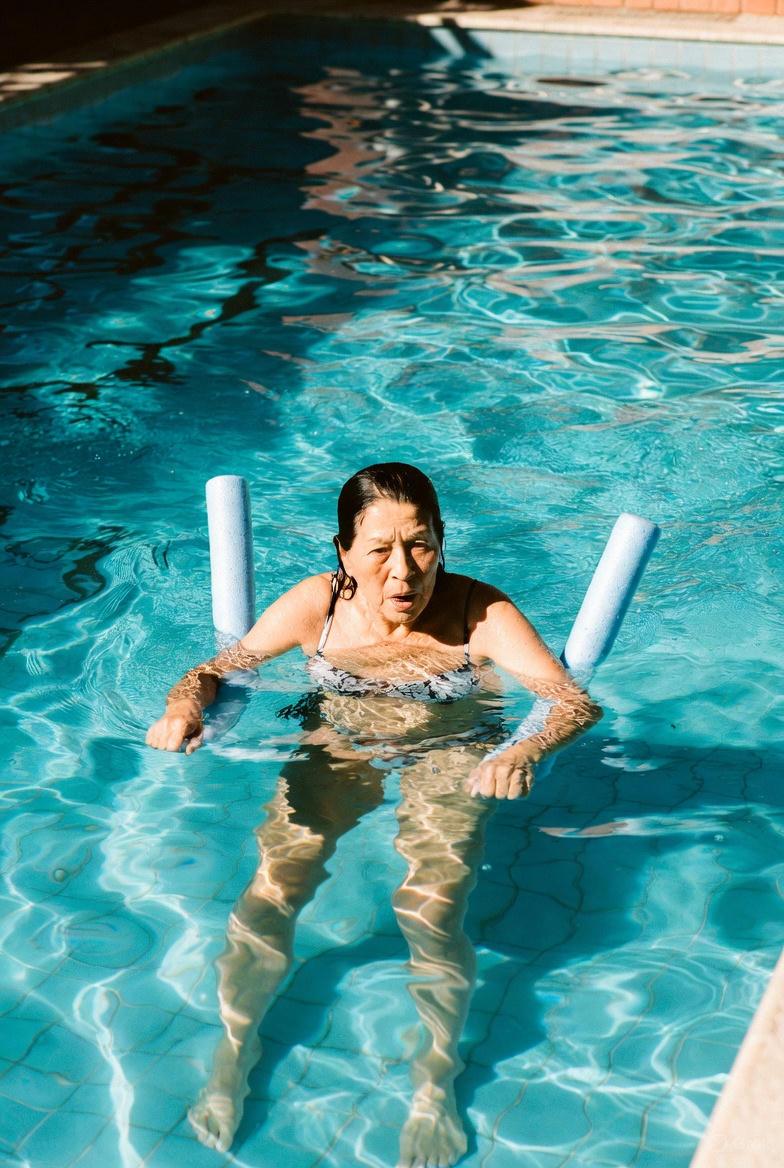
Real-Life Examples of Seniors Who Added These Exercises
Thousands of older adults have found renewed confidence by incorporating these activities. Community center participants often report feeling steadier on their feet and more energetic throughout the day after a few weeks of consistent practice.
The key is finding what feels enjoyable—you’re more likely to continue when the activity brings pleasure rather than pressure.
Final Thoughts: Small Steps Toward Greater Mobility
Adding one or two of these low-impact exercises can complement or gently replace longer walks when joints need extra care. Over time, many people notice improved strength, better balance, and greater ease with daily tasks.
Start with whichever option feels most approachable today. Your future self will likely thank you.
Frequently Asked Questions
Can I still walk if I add these exercises?
Absolutely—many seniors combine gentle walking with these activities for variety and well-rounded benefits.
How soon might I notice improvements?
Some people feel increased energy and ease within a few weeks, while strength and balance gains often become more noticeable after 6–12 weeks of consistent practice.
Do I need special equipment?
Most require little to none: a sturdy chair, access to a pool, or comfortable clothing. Resistance bands or light ankle weights are optional additions later.
This article is for informational purposes only and does not replace professional medical advice. Always consult your healthcare provider before beginning any new exercise program, especially if you have existing health conditions or joint concerns.