Discovering protein in your urine during a routine checkup can feel worrying and frustrating. It often comes with concerns about swelling, fatigue, and long-term kidney function, leaving many people searching for ways to feel more in control. While medical guidance remains essential, emerging research points to certain everyday foods rich in antioxidants and anti-inflammatory compounds that may help support kidney health when added to a balanced diet.
The good news? Simple dietary choices could make a meaningful difference alongside your doctor’s recommendations. Keep reading to explore 10 evidence-backed foods that studies suggest may help reduce inflammation and support the delicate filters in your kidneys.

What Does Protein in Urine Really Mean for Your Kidneys?
Proteinuria occurs when the tiny blood vessels in your kidneys, called glomeruli, become damaged or inflamed and allow protein to leak into the urine. Over time, this can contribute to fatigue, swelling in the ankles or hands, and higher blood pressure.
Many factors like diabetes, high blood pressure, or chronic inflammation play a role. Research shows that certain nutrients—such as antioxidants, omega-3 fatty acids, and polyphenols—may help calm inflammation and protect kidney cells.
That’s where food comes in. Studies indicate that including specific anti-inflammatory foods in your daily meals may support better kidney function markers, including lower protein leakage.
Why Diet Matters Alongside Medical Care
Medications like ACE inhibitors or ARBs help manage blood pressure inside the kidneys, but they don’t always address underlying inflammation or provide the building blocks for repair.
Nutrient-dense foods, on the other hand, deliver natural compounds that research suggests can reach kidney tissues and offer protective effects. The best part? Most of these foods are affordable, widely available, and easy to incorporate.
Here are 10 foods backed by scientific studies that may help support kidney health:
10. Blueberries – Packed with Powerful Antioxidants
Blueberries are rich in anthocyanins, compounds that studies show can reduce oxidative stress in kidney tissues. A number of clinical trials have observed improved kidney markers when participants added berries regularly.
Try adding ½–1 cup of fresh or frozen blueberries to breakfast or snacks daily.
9. Cold-Water Fatty Fish – A Natural Source of Omega-3s
Salmon, sardines, and mackerel provide EPA and DHA, two omega-3 fatty acids linked to reduced kidney inflammation in multiple studies. Research from 2024 suggests regular intake may support healthier proteinuria levels.
Aim for 2–3 servings per week, baked or grilled for maximum benefit.

8. Red Bell Peppers – Vitamin C Without High Potassium
Red bell peppers offer more than 300% of daily vitamin C needs in one serving, with relatively low potassium compared to many fruits. Vitamin C supports collagen production, which helps maintain the structure of kidney filters.
Slice them raw for snacks or roast them as a side dish.
7. Garlic – Small Bulb, Big Potential Benefits
Fresh garlic contains allicin, a compound that research shows may help relax blood vessels and reduce inflammation. Several studies on people with diabetes noted improvements in kidney markers after regular garlic consumption.
Use 1–2 fresh cloves daily in cooking for the strongest effect.
6. Cabbage – Budget-Friendly and Nutrient-Dense
Cabbage is loaded with indoles and glutathione, natural compounds that support detoxification pathways. Traditional diets have long included cabbage for wellness, and modern research supports its protective role for kidney cells.
Add raw or lightly cooked cabbage to salads, soups, or stir-fries.
5. Extra-Virgin Olive Oil – Healthy Fat with Anti-Inflammatory Properties
The oleocanthal in high-quality extra-virgin olive oil acts similarly to mild anti-inflammatory agents. Spanish studies observed positive changes in kidney markers when participants used it regularly.
Drizzle 2–4 tablespoons daily on salads or cooked vegetables.
4. Cranberries – More Than Just Urinary Tract Support
Unsweetened cranberry juice or whole cranberries contain proanthocyanidins that may help prevent harmful bacterial adhesion in the urinary tract while supporting kidney barrier function.
Drink 8–10 ounces of pure, unsweetened cranberry juice daily.
3. Egg Whites – High-Quality Protein That’s Gentle on Kidneys
Egg whites provide nearly pure protein with minimal phosphorus, making them easier for kidneys to process than many other protein sources. They can help maintain muscle without adding extra strain.
Include 2–4 egg whites several times a week in omelets or scrambles.
2. Cauliflower – Versatile Low-Potassium Alternative
Cauliflower is low in potassium yet high in fiber and vitamin C. It also contains sulforaphane, a compound research links to reduced inflammation.
Use it as rice, mash, or roasted—great for swapping higher-potassium sides.
1. Fresh Ginger – The Standout Spice for Kidney Support
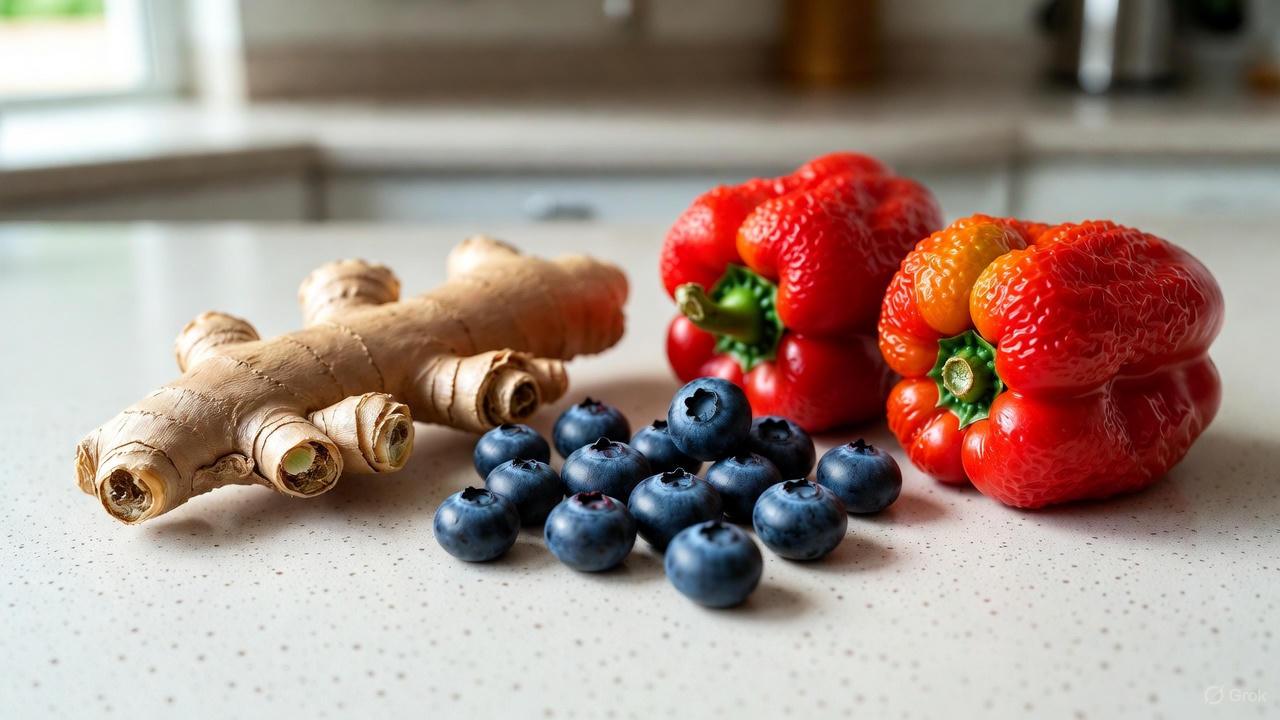
Ginger contains bioactive compounds like gingerol that multiple clinical trials, including a 2023 study, have linked to significant reductions in proteinuria markers. Participants saw notable improvements in just weeks.
Grate fresh ginger into tea, soups, or stir-fries daily.
Quick Comparison: Kidney-Friendly Choices vs Common Alternatives
| Food | Potassium (per 100g) | Key Beneficial Compounds | Common Alternative |
|---|---|---|---|
| Blueberries | ~77 mg | Anthocyanins, high antioxidants | Banana (~358 mg) |
| Red Bell Pepper | ~211 mg | Vitamin C (190 mg), low potassium | Orange (~181 mg pot.) |
| Cauliflower | ~299 mg | Sulforaphane, fiber | Potato (~925 mg) |
| Cabbage | ~170 mg | Indoles, glutathione | Iceberg lettuce (~141 mg but fewer compounds) |
These swaps can make meals more kidney-supportive without feeling restrictive.
How to Easily Add These 10 Foods to Your Daily Meals
Start small and build consistency. Here’s a simple one-day example:
- Breakfast: Egg white veggie scramble with red bell pepper strips and a side of blueberries
- Lunch: Baked salmon over cauliflower rice drizzled with olive oil and fresh garlic
- Snack: Raw cabbage slaw with a splash of olive oil and lemon
- Dinner: Ginger stir-fry with mixed vegetables and sardines
- Evening drink: Warm water with fresh grated ginger and a splash of unsweetened cranberry juice
Most people find these changes easy to maintain and notice better energy within a few weeks.
But that’s not all—consistency over 8–12 weeks tends to show the most encouraging results in studies.
Tips to Get Started Today
- Stock your kitchen with 3–4 foods from the list this week.
- Replace one higher-potassium side dish with cauliflower or cabbage.
- Add fresh garlic or ginger to at least one meal daily.
- Choose extra-virgin olive oil as your main cooking fat.
- Track how you feel and discuss any dietary changes with your doctor.
Small, sustainable steps often lead to the biggest long-term benefits.
Final Thoughts
Supporting kidney health naturally through food is about giving your body the tools it needs to function at its best. The 10 foods above are backed by scientific research and real-world use, offering a practical way to complement medical care.
Remember, every positive choice adds up. Start with one or two foods today, and build from there.
Frequently Asked Questions
Can diet alone manage proteinuria?
No single approach replaces medical treatment, but research shows anti-inflammatory foods can play a supportive role alongside prescribed care.
How soon might I notice changes?
Studies typically observe improvements in kidney markers after 4–12 weeks of consistent dietary changes, though individual results vary.
Are these foods safe for all stages of kidney disease?
Some foods are lower in potassium and phosphorus, but always consult your healthcare provider or dietitian before major changes, especially in advanced stages.
Disclaimer: This article is for informational purposes only and is not medical advice. It is not intended to diagnose, treat, cure, or prevent any disease. Always consult your healthcare provider before making dietary changes, particularly if you have kidney concerns or take medications. Individual results may vary.