Many of us notice changes in our skin as we get older—dryness, dullness, or a loss of that natural glow that makes us feel confident. It can be frustrating to look in the mirror and see texture that’s not as smooth as it used to be, especially after trying various products without much difference. The good news is that some people find value in turning to simple, kitchen-based ingredients for gentle skincare support.
But what if there was an easy way to experiment with natural items you might already have at home? Keep reading to discover a straightforward ritual that draws from traditional ideas and modern insights into ingredients like yeast and yogurt—one that could leave your skin feeling softer and more hydrated.
Why These Ingredients Are Worth Exploring
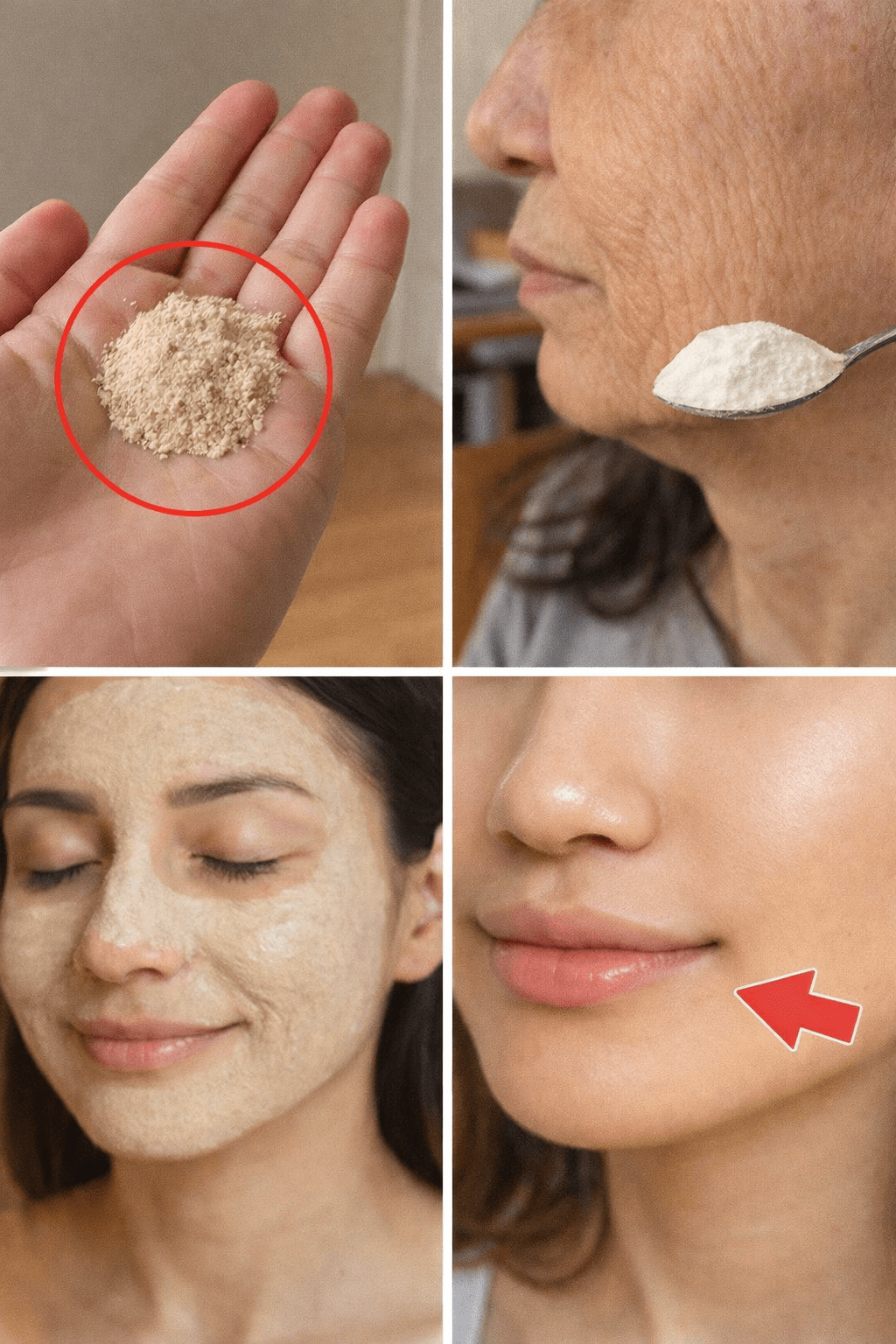
People have used natural foods like yeast and yogurt on their skin for generations, inspired by traditions from places like Eastern Europe. Today, research helps explain why they might be helpful when applied topically.
Nutritional yeast or brewer’s yeast is packed with B vitamins, including biotin and niacin. Studies suggest these vitamins support overall skin health by contributing to a stronger moisture barrier and a brighter appearance. For instance, biotin is often linked to healthier-looking skin, while niacin may help with even tone.
Plain yogurt contains lactic acid, a mild alpha-hydroxy acid (AHA). Research shows lactic acid can gently exfoliate by removing dead skin cells, promoting smoother texture and better hydration. Yogurt also has probiotics that may soothe the skin and support its natural balance.
Adding a touch of honey? It’s a known humectant, meaning it draws in moisture. Reviews of honey in dermatology highlight its soothing and hydrating properties.
Of course, results vary from person to person, and this isn’t a replacement for professional skincare.

The Science Behind the Ingredients
Here’s a closer look at what studies say:
- B Vitamins from Yeast: Research indicates that vitamins like biotin and niacin play roles in maintaining skin barrier function and reducing signs of dryness.
- Lactic Acid in Yogurt: In-vivo studies show it provides gentle exfoliation, helping skin feel softer and look brighter over time.
- Probiotics: Some evidence points to topical probiotics calming irritation and supporting skin microbiome health.
- Honey’s Role: Scientific reviews note its humectant effects, helping skin retain moisture without heaviness.
These insights come from sources like Healthline, PubMed, and dermatology journals—always a good idea to check reliable references.
But that’s not all… combining them might offer complementary benefits for hydration and glow.
A Simple 3-Step Recipe to Try at Home
This quick mask uses affordable, grocery-store items. It’s gentle and customizable.
Ingredients (for one application):
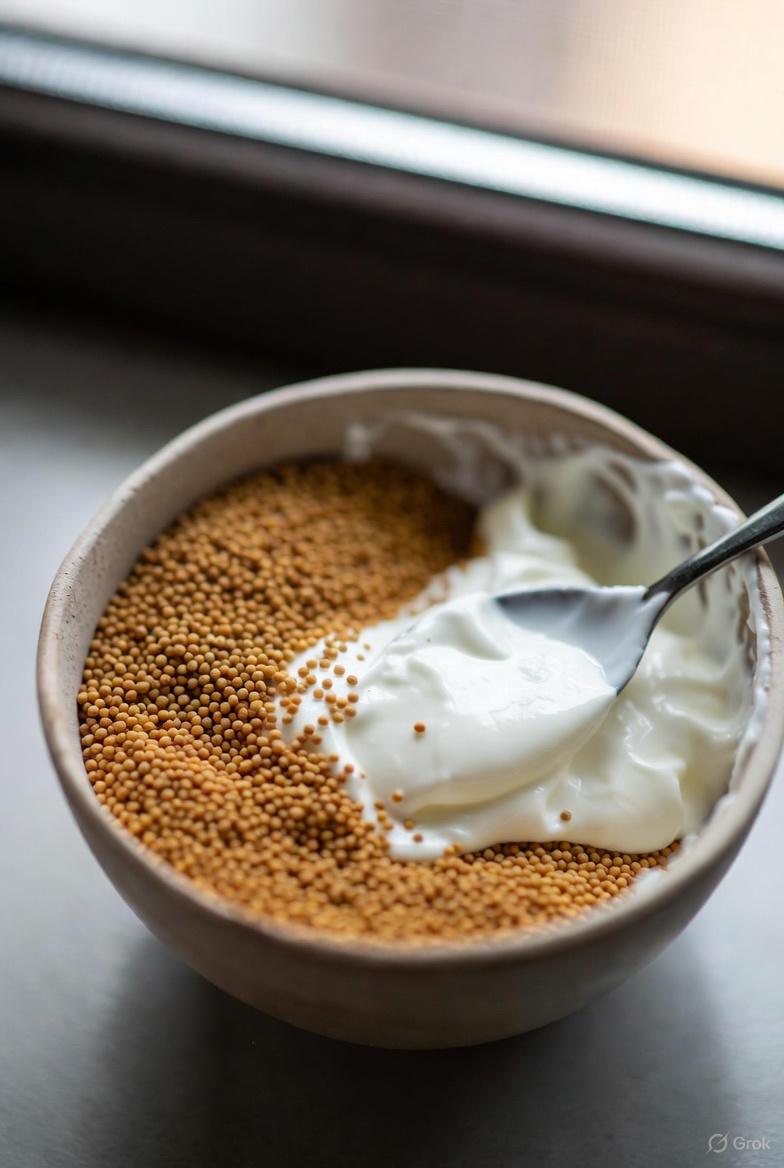
- 1 teaspoon nutritional yeast or brewer’s yeast
- 2 teaspoons plain, full-fat yogurt (look for “live active cultures”)
- ½ teaspoon raw honey (optional, for extra hydration)
Step-by-Step Instructions:
- In a small bowl, mix the yeast and yogurt until it forms a smooth paste. Add honey if desired and stir well.
- Cleanse your face gently with your usual cleanser, then pat dry.
- Apply a thin layer to your face and neck, avoiding the eye area.
- Leave on for 15-20 minutes (or overnight if your skin tolerates it well—start short).
- Rinse with lukewarm water and follow with your moisturizer.
Pro tip: Prepare a small batch and store in the fridge for up to a few days.
Many who try this report their skin feels softer and more plump right away, thanks to the hydrating elements.
What You Might Notice Over Time
Consistency is key with any skincare habit. Here’s a general timeline based on user experiences and ingredient research:
| Time Frame | Possible Observations |
|---|---|
| After 1 Use | Skin feels smoother and more hydrated |
| After 1 Week | Improved softness and subtle brightness |
| After 1 Month | Better texture and a healthier glow |
Remember, individual results depend on skin type and other factors.
Tips for Best Results and Safety
- Patch Test First: Apply a small amount to your inner arm for 24 hours to check for sensitivity.
- Skin Type Considerations:
- Dry skin: Use full-fat yogurt and add honey.
- Oily skin: Stick to low-fat yogurt without honey.
- Sensitive skin: Start with shorter leave-on times.
- Avoid if you have open wounds or active infections.
- This works well as a weekly treat alongside your regular routine.
Here’s the interesting part: Many find this ritual relaxing, like a mini spa moment before bed.
Common Questions About This Approach
Is this safe for all ages and skin types?
It’s generally gentle for most, but those with very sensitive skin or conditions should consult a dermatologist first. Not recommended for children without guidance.
How often should I use it?
Start with 1-2 times per week. Increase if your skin responds well, but don’t overdo it—over-exfoliation can irritate.
Can men use this too?
Absolutely! Skin health benefits everyone, and this simple recipe is unisex.
Final Thoughts
Exploring natural ingredients like yeast, yogurt, and honey can be a fun, low-cost way to support your skin’s hydration and smoothness. While it won’t transform everything overnight, many appreciate the gentle, nourishing feel it provides.
Give it a try tonight—you might be pleasantly surprised by how refreshed your skin looks in the morning.
Important Note: This information is for educational purposes only and is not medical advice. Results vary, and natural ingredients can cause reactions in some people. Always patch test and consult a healthcare professional or dermatologist before trying new skincare practices, especially if you have sensitive skin, allergies, or underlying conditions. This is not intended to diagnose, treat, or prevent any disease.