
If you’re living with diabetes, you likely follow a careful eating plan, take your medications as prescribed, and monitor your blood sugar levels regularly. Yet, you might still experience ongoing fatigue, tingling in your hands or feet, or challenges in maintaining steady energy throughout the day. These frustrations are common, and they can make daily management feel more difficult than it needs to be.
The good news? Emerging research points to a factor that often goes overlooked: certain vitamin levels can naturally run lower in people with diabetes due to how the condition affects nutrient use and absorption. Supporting these levels through food and, when appropriate, supplements may help you feel more energized and support overall well-being. But here’s the intriguing part—studies highlight three specific vitamins that appear particularly relevant, and we’ll explore them in detail below so you can see if they might apply to you.
Why Do Vitamin Levels Sometimes Drop Lower in Diabetes?
High blood sugar can increase the body’s demand for certain nutrients while also affecting how well they’re absorbed or retained. Some common diabetes medications may influence nutrient uptake as well. Over time, this can lead to suboptimal levels of key vitamins.
Research, including reviews of multiple studies, shows that people with type 2 diabetes often have lower circulating levels of antioxidant vitamins like C and E, as well as forms of vitamin B6. These observations come from observational data and lab measurements, though individual needs vary widely.
Addressing potential gaps starts with awareness. Let’s look at the three vitamins that research frequently associates with diabetes support.
Vitamin C: The Everyday Antioxidant Many Diabetics May Need More Of
Vitamin C acts as a powerful antioxidant, helping protect cells from daily oxidative stress—a process that’s heightened in diabetes.
Studies, including meta-analyses of randomized trials, indicate that people with diabetes tend to have lower plasma vitamin C levels compared to those without, even with similar dietary intake. This may occur because glucose and vitamin C compete for cellular entry.
Signs that your levels might be low:
- Slower healing of minor cuts or bruises
- Frequent tiredness despite rest
- More susceptibility to seasonal illnesses
- Gum sensitivity
What research suggests about supporting vitamin C intake:
- May contribute to better insulin sensitivity in some studies
- Helps maintain healthy blood vessels and reduce inflammation markers
Diabetes-friendly food sources (low-impact on blood sugar):
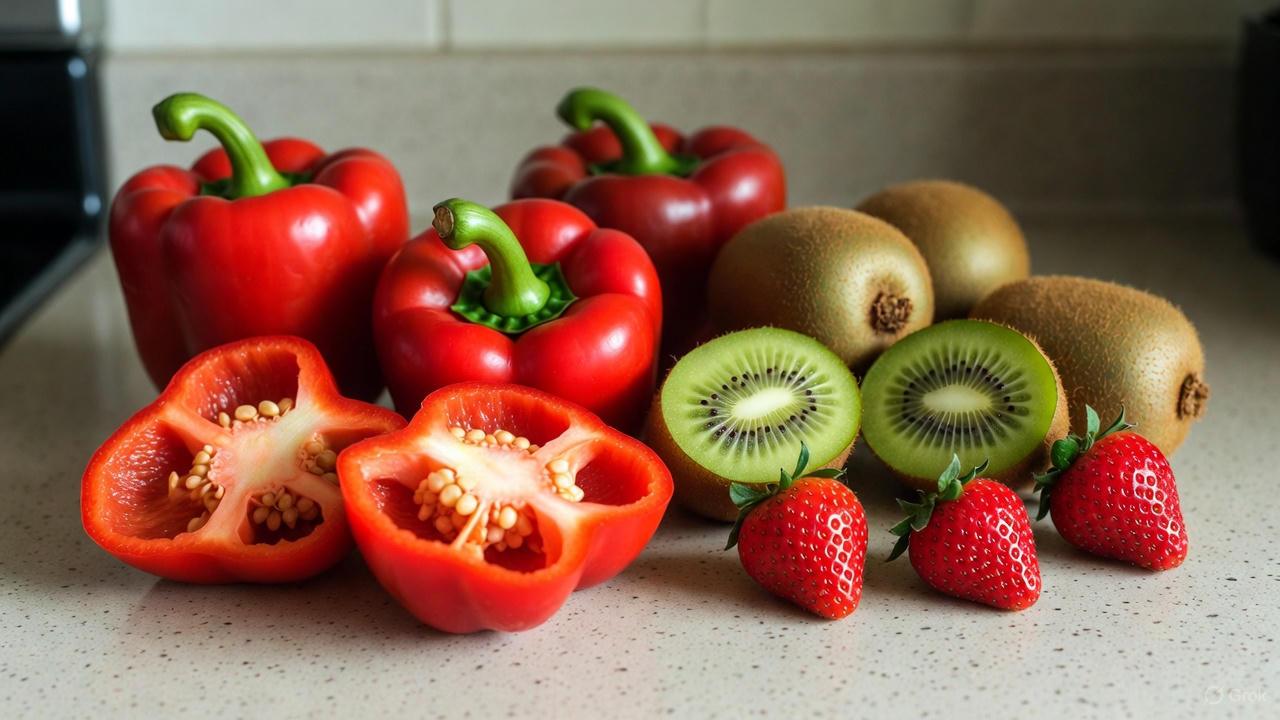
- Red bell peppers (one medium provides abundant vitamin C)
- Kiwi fruit
- Berries like strawberries
- Broccoli or cauliflower
Many experts note that higher intake—around 500–1,000 mg daily from food and supplements—may be beneficial for some, especially with liposomal forms for better absorption. Always discuss with your healthcare provider first.
Here’s a quick look at top sources:
| Food Source | Approximate Vitamin C per Serving |
|---|---|
| 1 medium red bell pepper | 150–200 mg |
| 1 kiwi | 70–90 mg |
| ½ cup strawberries | 50 mg |
| Liposomal supplement | 500–1,000 mg (as directed) |
Vitamin E (Natural Mixed Tocopherols): Supporting Nerve and Vessel Health
Vitamin E, particularly in its mixed tocopherol forms, is a fat-soluble antioxidant that helps combat free radicals—compounds that can build up more in diabetes.
Research on vitamin E in diabetes shows mixed but promising results, with some trials indicating benefits for nerve function and circulation when using natural forms.
Potential indicators of lower levels:
- Tingling or discomfort in extremities
- Dry skin that doesn’t improve easily
- Muscle stiffness
Supporting vitamin E through diet may:
- Aid in maintaining healthy blood flow
- Complement other antioxidants like vitamin C
Safe, blood-sugar-friendly sources:
- Sunflower seeds (1 oz provides a good portion)
- Almonds
- Avocado
- Spinach or other greens
Look for supplements labeled “natural mixed tocopherols” rather than synthetic versions for potentially better results.

Vitamin B6 (Active Form: P-5-P): Key for Nerve Support and Homocysteine Balance
The active form of vitamin B6, known as pyridoxal-5-phosphate (P-5-P), plays a role in over 100 enzymatic reactions, including those involving energy metabolism and homocysteine—a compound linked to vascular health.
Studies suggest lower vitamin B6 status in diabetes, possibly exacerbated by certain medications like metformin. Elevated homocysteine is sometimes observed, and P-5-P helps in its metabolism.
Common signs of suboptimal B6:
- Tingling that progresses
- Mood fluctuations or poor sleep
- Cracks at mouth corners
Research highlights:
- May support nerve health and reduce homocysteine
- Important for insulin signaling pathways
Food sources include:
- Salmon or other fatty fish
- Chickpeas
- Chicken
- Fortified options
For supplementation, the P-5-P form bypasses conversion steps and is often recommended (25–50 mg daily in studies).
| Vitamin | Best Food Sources | Potential Daily Support Range |
|---|---|---|
| B6 (P-5-P) | Salmon, chickpeas, chicken | 25–50 mg (supplement form) |
| E (mixed tocopherols) | Almonds, sunflower seeds, avocado | 200–400 IU |
| C | Bell peppers, kiwi, strawberries | 500–1,000 mg |
A Simple 30-Day Plan to Incorporate These Vitamins
Start gradually and track how you feel. Here’s an actionable approach:
Week 1: Focus on vitamin C-rich foods daily, plus a handful of almonds.
Week 2: Add vitamin E sources like sunflower seeds; consider a mixed tocopherol supplement if cleared by your doctor.
Week 3: Include B6 foods like salmon; introduce P-5-P if testing shows need.
Week 4: Combine all—aim for consistent intake from food first.
Monitor energy, sleep, and any nerve sensations. Pair with your usual diabetes routine.
But that’s not all—many find combining these with regular movement and stress management amplifies benefits.
Quick Comparison: Which Vitamin Might Support You Most?
| Vitamin | Primary Areas of Research Support | Time to Notice Changes (Per Studies) | Food vs. Supplement Preference |
|---|---|---|---|
| B6 (P-5-P) | Nerve comfort, homocysteine balance | 2–8 weeks | Supplement often more direct |
| E (mixed) | Circulation, nerve protection | 4–12 weeks | Both effective |
| C | Energy, antioxidant defense | 1–4 weeks | Both (liposomal for absorption) |
Conclusion
Supporting your nutrition with these three vitamins—through whole foods whenever possible—can be a practical addition to your diabetes management toolkit. Research continues to explore their roles, but many people report feeling more vitality when levels are optimized.
Focus on balanced meals, regular check-ins with your healthcare team, and perhaps periodic blood tests to guide your choices.
Frequently Asked Questions
1. Should I get tested for these vitamin levels?
Yes—simple blood tests can check vitamin C, E, B6, and related markers like homocysteine. Discuss with your doctor, especially if on metformin.
2. Can food alone provide enough of these vitamins?
Often yes for mild needs, but diabetes may increase requirements. Low-carb, nutrient-dense choices like those listed help maximize intake.
3. Are supplements safe with diabetes medications?
Generally well-tolerated in moderate doses, but interactions are possible (e.g., vitamin E with blood thinners). Always consult your provider before starting.
This article is for educational purposes only and is not medical advice. Always consult your doctor or a registered dietitian before making changes to your diet or starting supplements, particularly if you have diabetes or take medications.


