
Many women notice small changes in their breasts from time to time and wonder if it’s something serious. These changes can feel worrying, especially when you hear stories of others who brushed them off only to face bigger challenges later. The good news is that knowing what to look for can help you stay on top of your health and spot anything unusual early.
Research from reliable sources like the American Cancer Society shows that finding breast changes sooner often leads to better outcomes. But here’s something important to keep in mind as you read on: we’ll cover the most common signs step by step, and there’s one that can even affect men too.
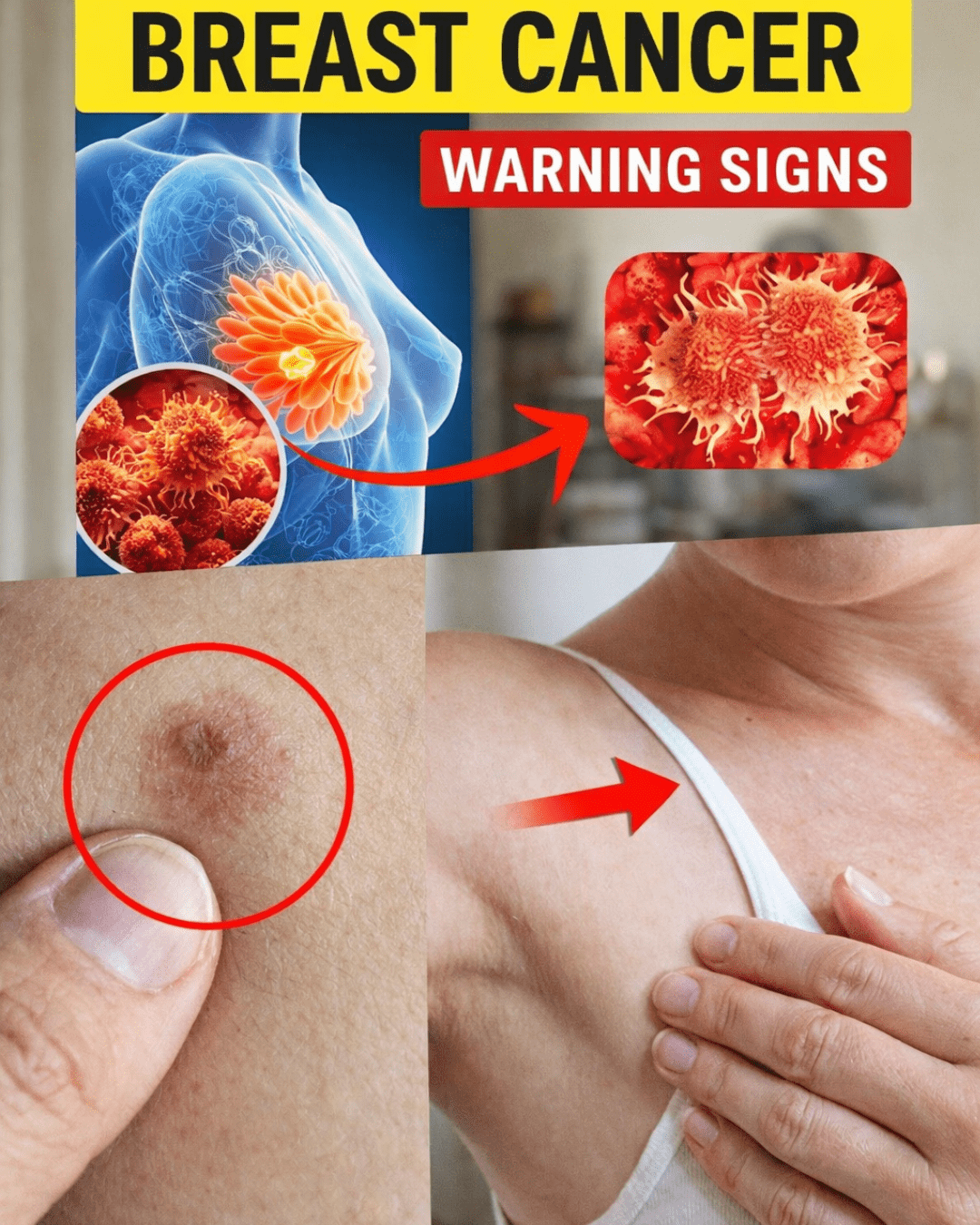
Why Paying Attention to Breast Changes Matters
Breast cancer is one of the most common cancers among women. In 2025, experts estimate over 316,000 new cases of invasive breast cancer in the U.S. alone, according to the American Cancer Society.
The encouraging part? When detected at a localized stage, the 5-year relative survival rate is around 99%. This drops if the cancer spreads, which is why awareness of changes is so valuable.
Many changes turn out to be benign, like hormonal fluctuations or cysts. But familiarizing yourself with your breasts helps you notice when something feels different.
Studies indicate that most breast cancers are found by women themselves or during routine checks. That’s why organizations like Mayo Clinic encourage breast awareness—knowing your normal so you can spot the not-so-normal.
But that’s not all… Let’s look at the signs that experts most often highlight.
1. A New Lump or Thickened Area in the Breast or Underarm
The most frequently mentioned change is a new lump or mass in the breast or armpit area.
It might feel hard and irregular, though some can be soft or rounded. Painless lumps are common, but any new thickening deserves attention.
According to the American Cancer Society, not all lumps are cancerous—many are benign cysts or fibroadenomas.
Still, if you feel something new that persists, it’s worth discussing with your doctor.
Here’s a quick comparison:
| Characteristic | Common Benign Changes | Potential Concern |
|---|---|---|
| Feel | Soft, movable, tender | Hard, fixed, painless |
| Shape | Smooth, round | Irregular edges |
| Change over time | May come and go with cycle | Persists or grows |
Pro tip: Perform checks regularly to know what’s normal for you.
2. Changes in Breast Size or Shape
One breast may suddenly appear larger, swollen, or differently shaped without a clear reason like weight gain or pregnancy.
This can happen gradually or seem sudden. Asymmetry is normal to some degree, but a new, persistent difference stands out.
Mayo Clinic notes this can stem from tumor growth affecting tissue.
If it’s only one side and doesn’t resolve, note it during your next check.
3. Skin Changes Like Dimpling or Puckering
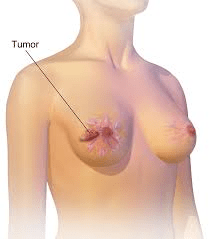
Sometimes the skin on the breast looks dimpled, like orange peel (known as peau d’orange), or puckered.
This happens when underlying changes pull on the skin. It might appear in one area or across the breast.
Research points to this as a sign in some cases, especially inflammatory types.
Look in the mirror with arms raised and lowered to spot it better.
4. Nipple Changes or Retraction
A nipple that suddenly turns inward (retraction) or flattens when it wasn’t before can be noticeable.
Other changes include scaling, redness, or inversion that’s new.
The American Cancer Society lists this as a key visual sign.
Congenital inversion is usually both sides and lifelong—new changes on one side matter more.
5. Nipple Discharge That’s Unusual
Clear or bloody discharge from one nipple, especially if it happens without squeezing, warrants a check.
Milky discharge can occur during pregnancy or breastfeeding, but otherwise, it’s worth mentioning.
Studies show bloody or spontaneous discharge has higher association with concerns.
6. Redness, Warmth, or Swelling of the Breast
The breast may become red, warm to touch, or swollen rapidly—sometimes without a lump.
This is more common in inflammatory breast cancer (IBC), a rarer but aggressive form affecting 1-5% of cases.
IBC signs often mimic infection, but don’t improve with usual treatments.
If redness covers a third or more of the breast and persists, seek prompt evaluation.
7. Persistent Pain in the Breast
While breast pain is often cyclical and benign, constant pain in one area isn’t typical.
It might feel like a deep ache. Pain alone rarely signals cancer, but combined with other changes, it’s notable.
8. Skin Thickening or Rash
Thickened, flaky, or rash-like skin, especially around the nipple, could resemble eczema but persist.
This can link to rarer types like Paget’s disease.
If over-the-counter remedies don’t help, consult a professional.
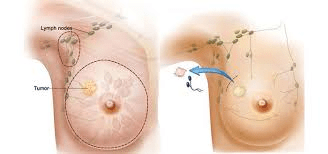
9. Swollen Lymph Nodes Under the Arm or Near Collarbone
Firm, enlarged nodes in the armpit or above the collarbone can sometimes relate to breast changes.
This might indicate spread, though infections cause swelling too.
10. Itching or Irritation That Won’t Go Away
Persistent itching, especially with redness or swelling, can be an early IBC clue.
It’s often dismissed as allergy, but if ongoing, get it checked.
This sign appears in men too—breast cancer affects about 1 in 100 cases in males, with similar symptoms like lumps or nipple changes.
How to Perform a Simple Breast Self-Exam at Home
Knowing your breasts through regular checks helps spot changes early. Here’s a step-by-step guide based on guidelines from trusted sources:
- In the mirror: Stand with arms at sides, then raised, and hands on hips. Look for symmetry, skin changes, or swelling.
- Lying down: Place a pillow under one shoulder, arm behind head. Use opposite hand’s pads of fingers in circular motions, covering the whole breast and armpit. Use light, medium, then firm pressure.
- In the shower: With soapy hands, repeat the circular or up-and-down pattern.
- Check nipples: Gently squeeze for discharge.
Do this monthly, ideally a few days after your period ends.
Your Monthly Breast Health Routine
Build a simple habit:
- Visual check: Weekly in good lighting.
- Full self-exam: Once a month.
- Note changes: Track in a journal or app.
- Professional screening: Follow age-based guidelines—mammograms often start at 40 or earlier with risk factors.
High-risk factors include family history, dense breasts, or genetic mutations. Discuss personalized plans with your doctor.
Conclusion: Take Control of Your Breast Health Today
Being aware of these common signs empowers you to act quickly if something changes. Most breast changes aren’t cancer, but noticing them early makes a real difference.
Share this with loved ones—awareness helps everyone. And remember, men should pay attention too.
Start with a self-check this week. Your health is worth it.
Frequently Asked Questions
When should I start regular mammograms?
Many guidelines, including from the American Cancer Society, suggest women at average risk consider annual mammograms starting at age 40. Talk to your doctor about what’s right for you.
Do breast self-exams replace mammograms?
No. Self-exams help with awareness, but mammograms detect changes before they’re felt. Combine both with clinical exams as recommended.
What if I find a change—should I worry?
Not necessarily—many are benign. But always report persistent changes to your healthcare provider for peace of mind and proper evaluation.
This article is for informational purposes only and is not medical advice. Always consult your healthcare provider for any breast changes or concerns. Regular screenings and professional guidance are key to breast health.


