
Many people deal with minor skin irritations, occasional digestive discomfort, or seasonal coughs that disrupt daily life. These everyday issues often lead to reaching for over-the-counter remedies, spending time and money on products that provide temporary relief. Yet, there’s a common plant growing in lawns and sidewalks across the country that has been used traditionally for centuries to support natural wellness. Keep reading to discover practical ways to recognize and incorporate it into your routine—and a simple home preparation you’ll wish you knew sooner.
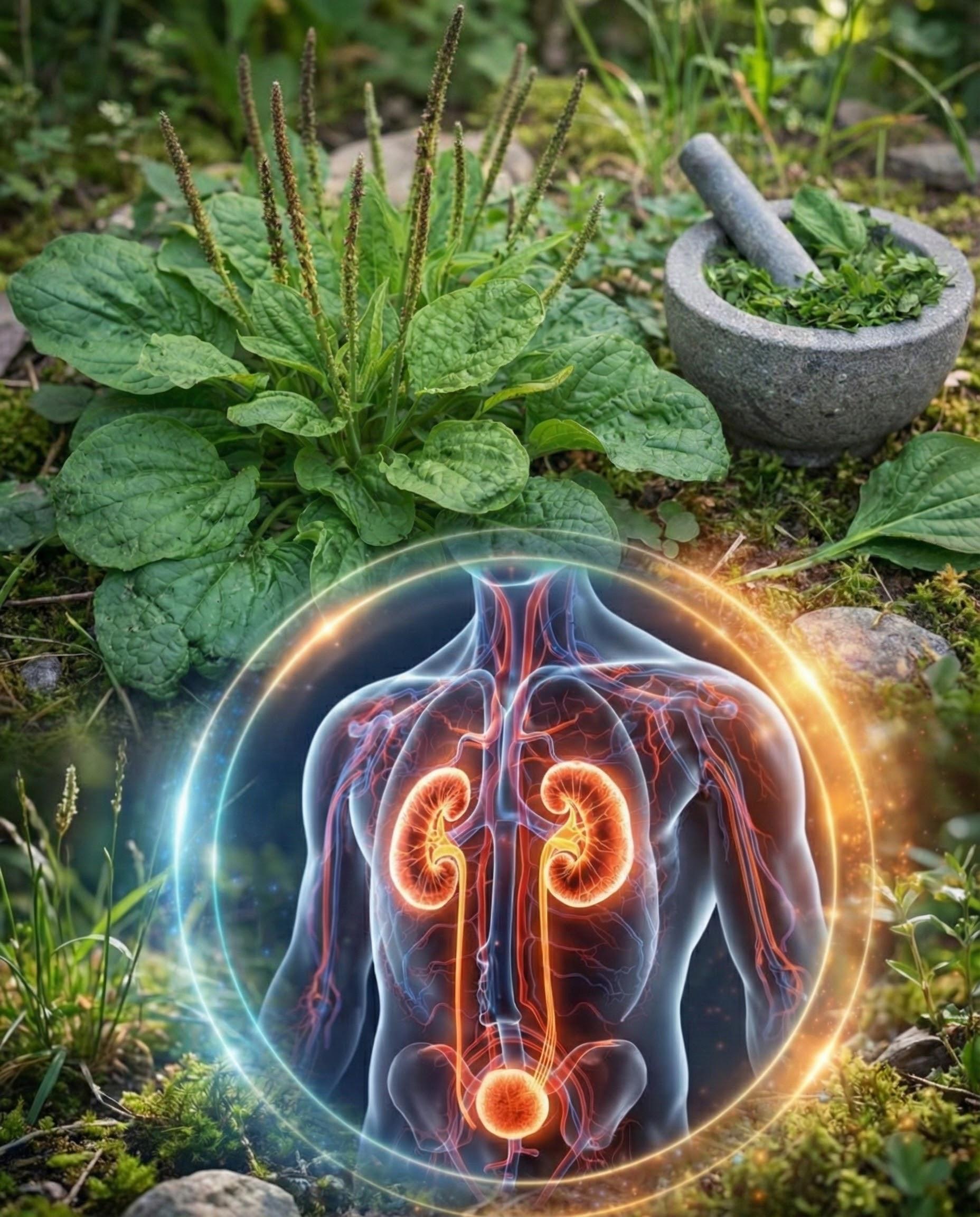
What Is Broadleaf Plantain and Why Is It So Common?
Broadleaf plantain (Plantago major) and its close relative, narrowleaf plantain (Plantago lanceolata), are perennial plants often considered lawn weeds. They thrive in compacted soil, making them frequent visitors in yards, driveways, and parks.
Native Americans reportedly called it “White Man’s Footprint” because it seemed to follow European settlers wherever they went. Today, it’s found on every continent except Antarctica.
These plants are resilient and nutrient-rich, containing compounds like aucubin, allantoin, and mucilage that have been studied for their soothing properties. Research in journals such as Phytotherapy Research highlights plantain’s traditional role in supporting skin and respiratory health.
The best part? If you have a lawn or walkway, you likely already have access to this plant—for free.
How to Quickly Identify Plantain in Your Yard
Spotting plantain is straightforward once you know what to look for.
- Broadleaf plantain: Forms a low rosette of wide, oval leaves with prominent parallel veins. Leaves are tough and slightly wavy at the edges.
- Narrowleaf plantain: Features long, lance-shaped leaves that grow upright, often with visible ribs running lengthwise.
- Both types produce tall flower spikes with tiny seeds in summer.
Walk outside and look for low-growing clusters near the ground. They’re especially common in areas with foot traffic.
Pro tip: Gently pull a leaf—if strong, string-like fibers appear along the stem, you’ve found plantain.
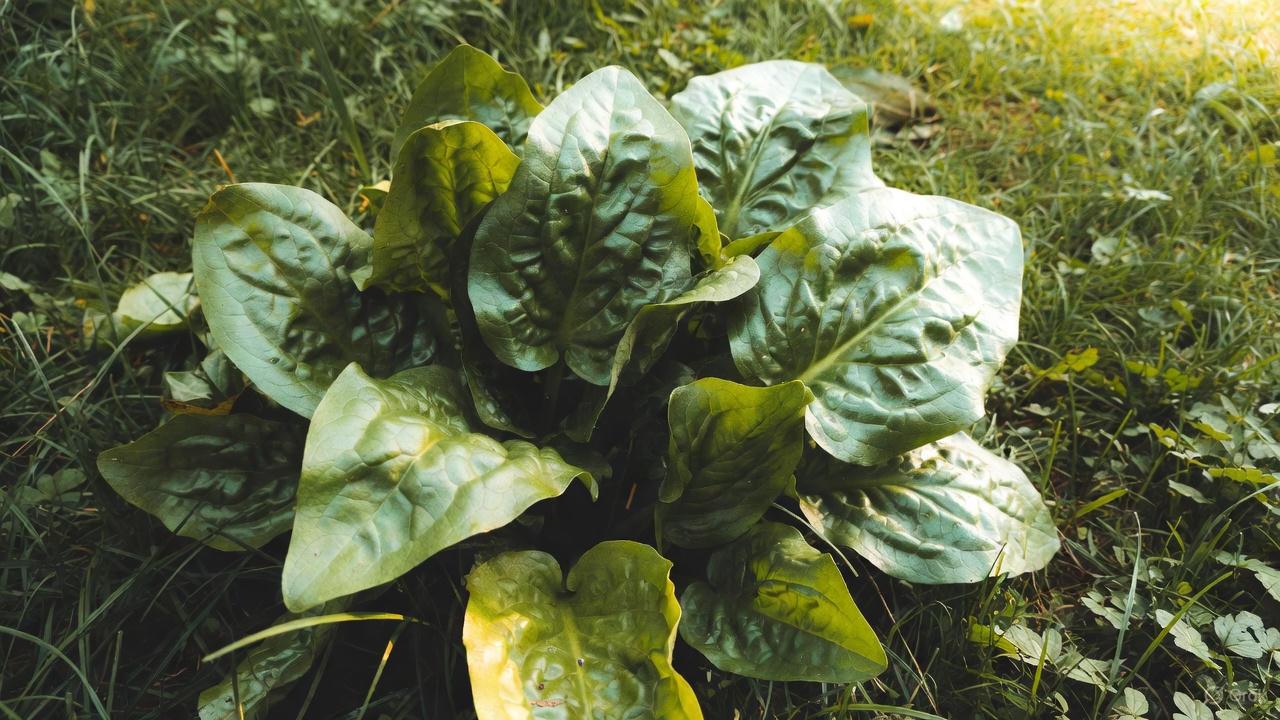
Traditional Ways to Prepare and Use Plantain Leaves
People around the world have used plantain in simple, home-based preparations for generations. Here are some of the most common methods backed by traditional knowledge and preliminary studies.
1. Fresh Leaf Poultice for Minor Skin Irritations
This is one of the simplest applications.
Step-by-step:
- Pick a clean, fresh leaf from an untreated area.
- Wash it gently under cool water.
- Crush or chew the leaf slightly to release its natural juices.
- Apply directly to the skin and cover with a clean bandage if desired.
- Leave on for 20–30 minutes or overnight.
Many find this helpful for soothing bug bites, minor scrapes, or rashes. A study in the Journal of Ethnopharmacology noted plantain’s traditional use for supporting skin comfort.
2. Simple Plantain Tea for Digestive and Respiratory Support
Dried leaves make a mild, soothing herbal tea.
How to make it:
- Collect clean leaves and dry them in a shaded, airy spot for 1–2 weeks.
- Store in an airtight jar.
- Steep 1 teaspoon of dried leaves in hot water for 10 minutes.
- Strain and enjoy 1–2 cups daily.
Traditional users often turn to this tea for occasional indigestion or seasonal coughs. Research suggests the mucilage content may help coat and soothe irritated tissues.
But that’s not all—there’s an even more versatile preparation coming up.
Comparing Plantain to Common Remedies: A Quick Overview
Here’s a simple comparison of traditional plantain uses versus typical store-bought options:
| Concern | Common Remedy | Approximate Monthly Cost | Traditional Plantain Approach | Cost |
|---|---|---|---|---|
| Minor skin irritations | Hydrocortisone cream | $20–30 | Fresh leaf poultice | Free |
| Occasional cough | Expectorant syrup | $15–25 | Herbal tea | Free |
| Digestive discomfort | Antacids | $10–20 | Herbal tea | Free |
| Bug bites or stings | Anti-itch cream | $10–15 | Fresh leaf application | Free |
This table shows how incorporating a backyard plant can reduce reliance on purchased items while aligning with natural traditions.

A 30-Day Plan to Explore Plantain in Your Routine
Ready to try it yourself? Here’s a gentle, step-by-step approach:
Week 1: Identify and harvest a few leaves. Try making a simple tea once daily and note how you feel.
Week 2: Experiment with a fresh poultice on any minor skin concern. Keep leaves clean and from pesticide-free areas.
Week 3: Dry some leaves for future use. Combine tea with raw honey (after cooling) for added soothing.
Week 4: Create a small batch of infused oil or salve (see recipe below) for longer storage.
Consistency is key—many people report noticing differences after regular use over a few weeks.
The Versatile “Green Salve” Home Preparation
This is the simple recipe readers often save.
Ingredients:
- Fresh or dried plantain leaves
- Olive oil or coconut oil
- Optional: beeswax for thicker consistency
Steps:
- Fill a clean jar halfway with chopped leaves.
- Cover completely with oil.
- Let infuse in a warm spot for 2–4 weeks, shaking occasionally.
- Strain and store in a cool place.
- For salve: Melt 1 part beeswax into 8 parts infused oil.
Use sparingly on dry skin or minor irritations. Many keep a small jar handy year-round.
Final Thoughts: Rediscovering What’s Already in Your Backyard
Broadleaf plantain is a humble, widespread plant with a long history of traditional use for supporting everyday wellness. From simple teas to soothing poultices, its applications are easy to learn and incorporate.
By recognizing and respectfully using what’s growing around us, many people feel more connected to natural remedies and more self-reliant in their daily care.
Next time you’re outside, take a closer look—you might just spot your new favorite backyard ally.
Frequently Asked Questions
Is plantain safe for everyone to use topically?
Most people tolerate it well, but always do a patch test first. Avoid if you have known plant allergies.
Where can I find plantain if I don’t have a yard?
It’s common in parks, along sidewalks, and in vacant lots. Always harvest from areas free of pesticides or pollution.
Can I use plantain year-round?
Yes—dry leaves in summer for winter use, or grow it in a pot for fresh access anytime.
Disclaimer: This article is for informational and educational purposes only and is not intended to diagnose, treat, cure, or prevent any disease. The suggestions here are based on traditional use and general research. Always consult your healthcare provider before trying new remedies, especially if you have health conditions or take medications. Perform a patch test for topical use and discontinue if irritation occurs.


