
Many adults notice their cholesterol levels creeping up during routine checkups, especially in their 40s and 50s. Busy schedules make it easy to overlook these changes, leading to quiet worries about long-term heart health and vitality. The good news is that a simple kitchen staple might offer natural support for maintaining healthy cholesterol and blood pressure. But the real key lies in how you prepare and consume it—keep reading to discover a straightforward tip that could make all the difference.
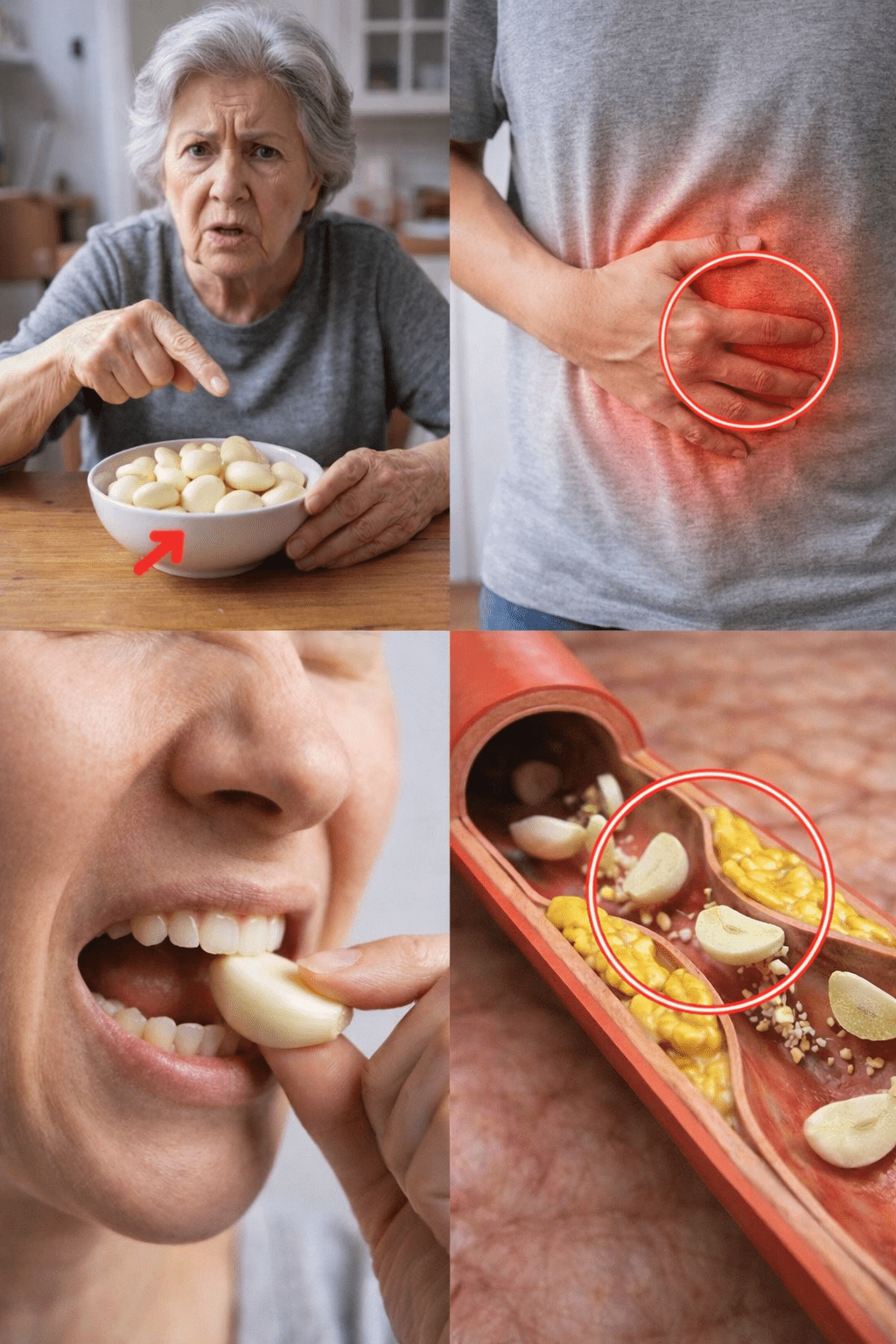
Why Heart Health Matters More as We Age
Heart health concerns affect millions of adults worldwide. Factors like diet, stress, and genetics play a role in cholesterol levels and blood pressure readings.
It’s common to feel frustrated when small lifestyle tweaks don’t seem to move the needle. Many people turn to cooked garlic in meals, but research suggests that cooking can reduce some of its key compounds.
Raw garlic, on the other hand, retains more of its natural properties. Studies, including reviews published in journals like The Journal of Nutrition, indicate that garlic’s sulfur compounds may help support cardiovascular wellness.
But that’s just the start…
What Makes Raw Garlic Stand Out for Potential Heart Support?
When you crush or chop a fresh garlic clove, a compound called allicin forms. This is the source of garlic’s distinctive aroma and much of its potency.
Allicin and other sulfur compounds are more abundant in raw garlic because heat can break them down. A review in Frontiers in Nutrition highlights how raw garlic consumption has been linked to improved lipid profiles in some studies.
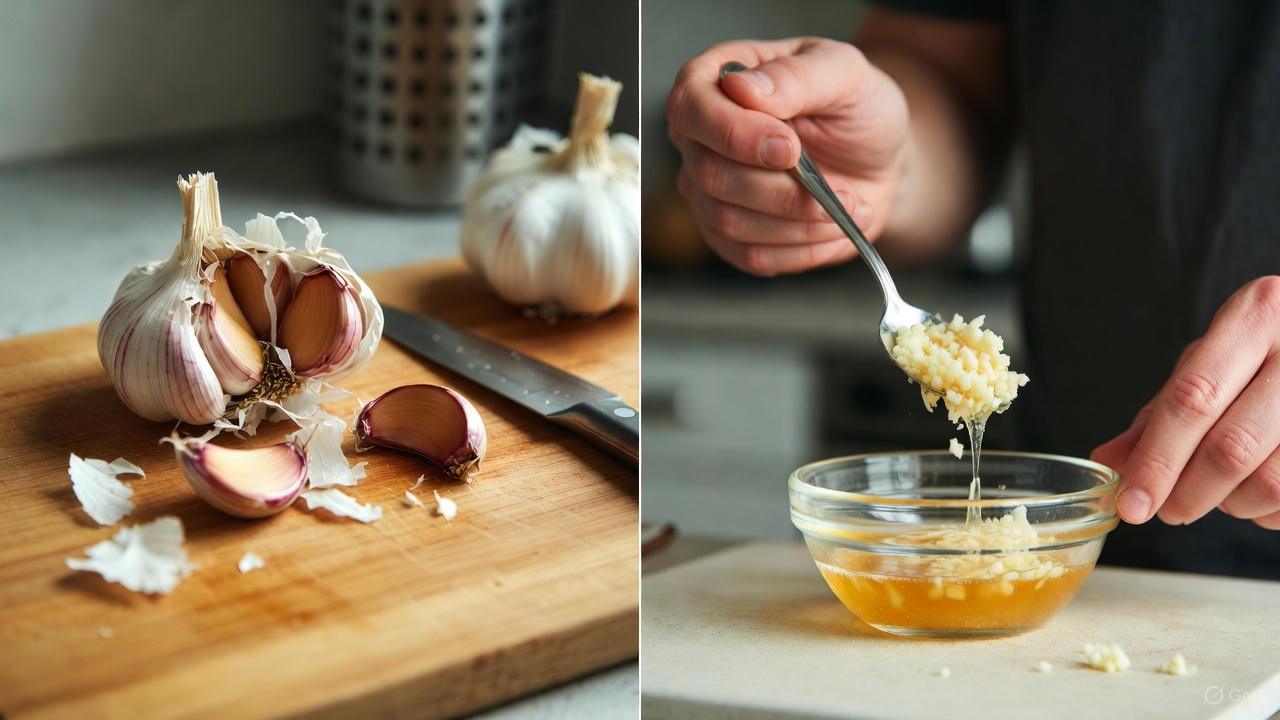
The trick? Crush the clove and let it sit for 10-15 minutes. This allows allicin to fully develop before you eat it.
Here’s a quick comparison:
| Aspect | Cooked Garlic | Raw Garlic (Crushed & Rested) |
|---|---|---|
| Allicin Content | Reduced by heat | Higher levels |
| Flavor | Milder | Stronger, more pungent |
| Potential Benefits | Still supportive | May maximize compound release |
How Raw Garlic May Help Maintain Healthy Cholesterol Levels
Some research suggests garlic compounds can influence enzymes involved in cholesterol production. Meta-analyses have shown modest reductions in total and LDL cholesterol, particularly in people with slightly elevated levels.
For example, one review found that garlic supplementation led to average drops of 7-29 mg/dL in total cholesterol across studies.
Individual results vary, but incorporating raw garlic could be a gentle addition to heart-supportive habits.
Potential Support for Normal Blood Pressure Readings
High blood pressure is a common concern, but garlic’s compounds may help relax blood vessels. Clinical trials and meta-analyses indicate reductions in systolic and diastolic pressure, especially in those with elevated readings.
A study on aged garlic extract showed effects comparable to standard approaches in some cases, though raw garlic provides fresh allicin.
Antioxidant Properties That Could Benefit Heart Cells
Oxidative stress impacts artery health over time. Garlic is rich in antioxidants that may help neutralize free radicals.
Research points to garlic’s role in supporting endothelial function, the lining of blood vessels crucial for heart health.
Additional Ways Garlic Supports Overall Wellness
Beyond the heart, garlic shows promise in other areas:
- Immune function: Some studies link regular garlic intake to fewer colds.
- Anti-inflammatory effects: Compounds may help calm systemic inflammation.
- Blood sugar balance: Preliminary research suggests support for healthy glucose levels.
These broader benefits contribute to general vitality.
Easy, Actionable Ways to Add Raw Garlic to Your Routine
Start small to build the habit:
- Crush 1-2 cloves and let sit 10-15 minutes.
- Chop finely and mix with honey for a soothing blend.
- Add to salads, hummus, or avocado for fresh flavor.
- Swallow with water if the taste is strong—pair with a meal to ease digestion.
Pro tip: Chew parsley or drink milk afterward to freshen breath.
Here’s a simple daily options list:
- Morning: Mix crushed garlic into yogurt or smoothie.
- Lunch: Stir into fresh salsa or dressing.
- Evening: Blend with honey as a bedtime ritual.
Consistency matters more than quantity—aim for 1-2 cloves daily.
Wrapping It Up: Small Habits for Long-Term Wellness
Adding raw garlic to your day is a simple, natural way to support heart health alongside a balanced diet and active lifestyle. Research continues to explore its compounds, with promising signs for cholesterol, blood pressure, and more.
Many find that small changes like this build confidence in their wellness journey. And remember that tip about crushing and waiting? That’s the step that unlocks the most potential.

Frequently Asked Questions
1. How much raw garlic should I eat daily?
Most studies suggest 1-2 cloves (about 3-6 grams) for potential benefits. Start low and adjust based on tolerance.
2. Is raw garlic safe for everyone?
It’s generally safe in food amounts, but may cause digestive upset or interact with blood-thinning medications. Consult a doctor if you have concerns.
3. Can I get the same benefits from supplements?
Supplements vary in effectiveness; some like aged garlic extract show results in studies, but raw garlic provides fresh compounds. Choose based on preference.
Disclaimer: This article is for informational purposes only and is not medical advice. Garlic may support heart health based on research into its compounds like allicin, but results vary. Always consult your healthcare provider before making dietary changes, especially if you have health conditions or take medications. Raw garlic can cause side effects like digestive discomfort or breath odor in some people.


